Mallee
Mildura
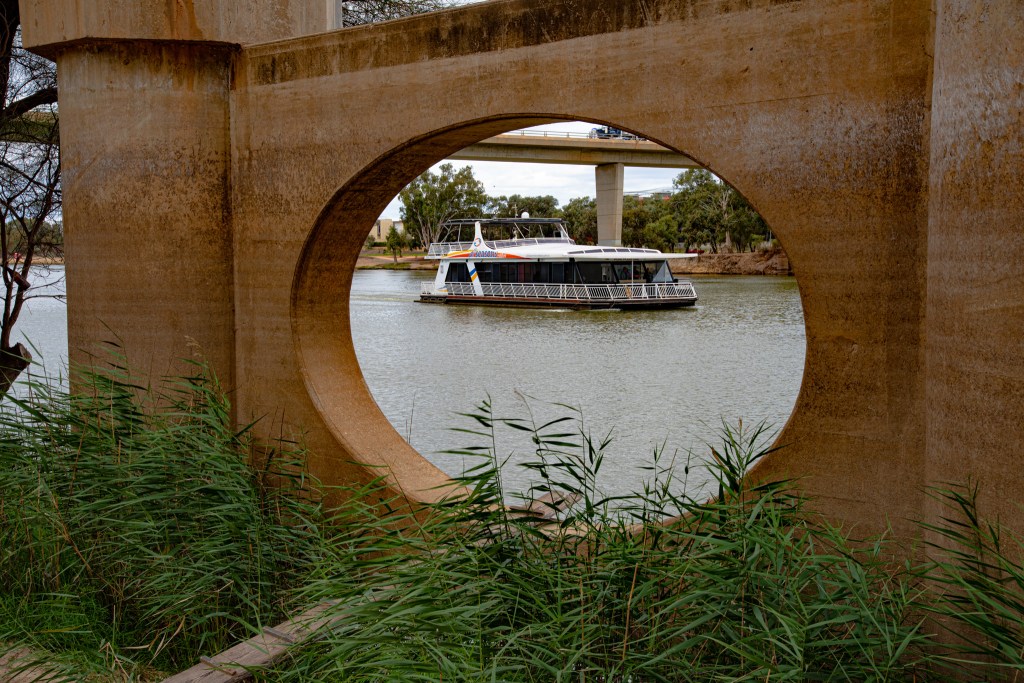


What an interesting place Mildura is. We had been here over 20 years ago, but it was only a short visit when we were returning to WA.
This time our connections with this most interesting place was on many different levels. Whilst based in Ouyen doing a seeding job, we made a few visits to the area availing us to familiarise ourselves with the area.
We then returned to explore her more, her history, the Murray River and how important it is to the community and to visit friends. The Murray River is owned by the NSW Government, the border is on the Victorian side riverbank. Unlike the WA border where you travel through pastoral land before finally reaching the border and it is very evident with major infrastructure at the southern border complete with police and quarantine offices making you feel like a Mexican. However, in the rest of Australia, this doesn’t exist. You cross the bridge from Victoria into NSW and there is absolutely nothing to say you have crossed into another state. In fact, most states where we have crossed their borders, its much the same. There are exceptions, but in general it’s pretty cruisy. So, for us it was very surreal.
We have learned that this region is vital to the survival of the NW corner of Victoria and the SW corner of NSW. The river provides water for the production of food, to provide water for the residents living either side of the border.
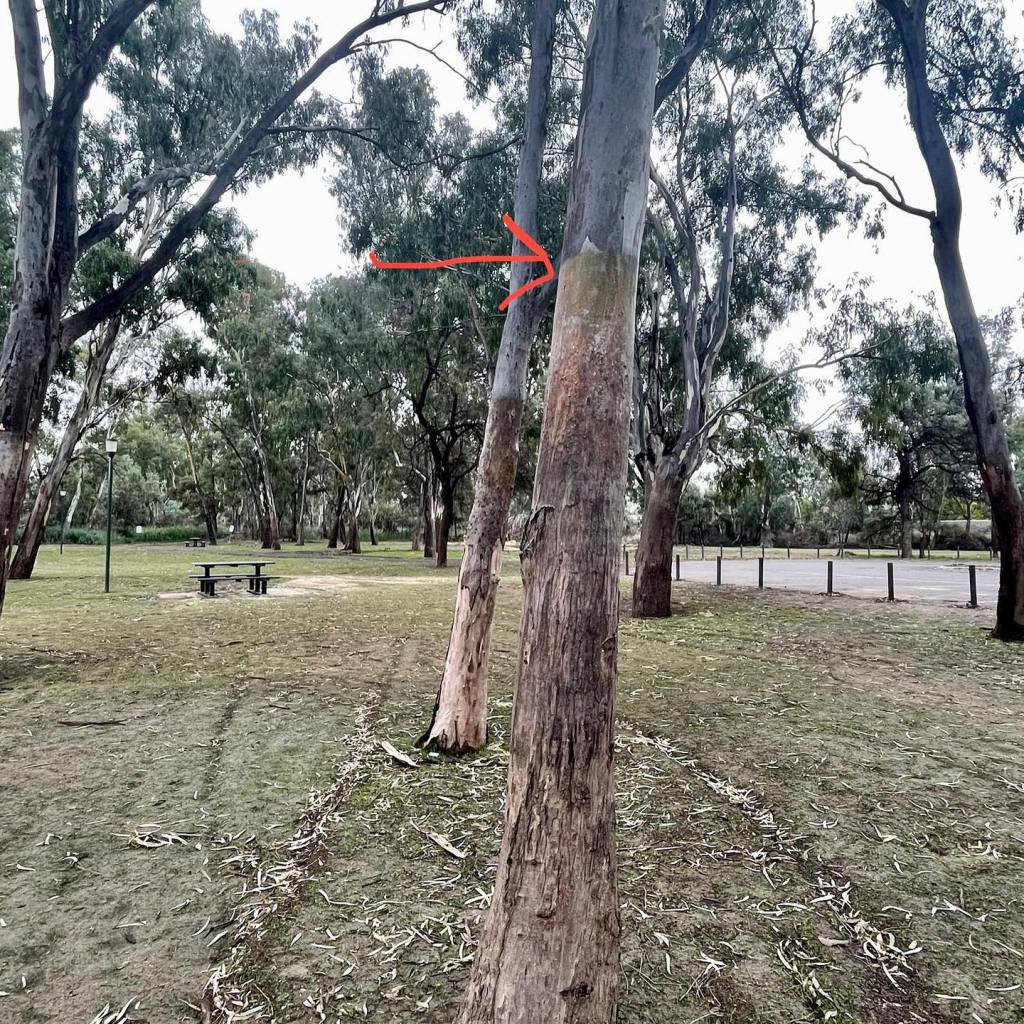

We were in Mildura in the autumn and the river was still flowing strong from the floods of 2022, and was still quite high but well below the flood peak zone. Some areas where the flood waters reached had been turned into swamps. The river flood plain is extensive with lots of areas for camping, picnics and bush drives where you can explore the river and its rich alluvial flood plain up close. Our friends took us on one of these drives where we were able to see the flood damage that still existed. We found real billabongs, full of wildlife and birdlife. The river was alive and flourishing, it was a great experience to witness the river and its flood scars.
What a wonderful time to be visiting the area, only months after the floods had receded. It was wonderful to see how quickly the community had cleaned up the debris left behind and most businesses returning to normal, albeit there were still a few places that had not been restored. We found this was the case along most of the river.
We drove out to Wentworth where the Darling River meets the Murray River. This was where the flooding was at its worst placing so many people of the community at risk. Having endured many floods before, the people of Wentworth ensured they put quality levee banks into place.
On our return a few months later when we ventured towards NSW and Qld we were fortunate to be there when the Wentworth Show was on in later August. We camped at the Mildura River End caravan park. The park has been recently purchased by new owners who have done an amazing job renovating it to its current state. Close to the light industrial area, 5mins from town and the bridge to NSW.
Ouyen
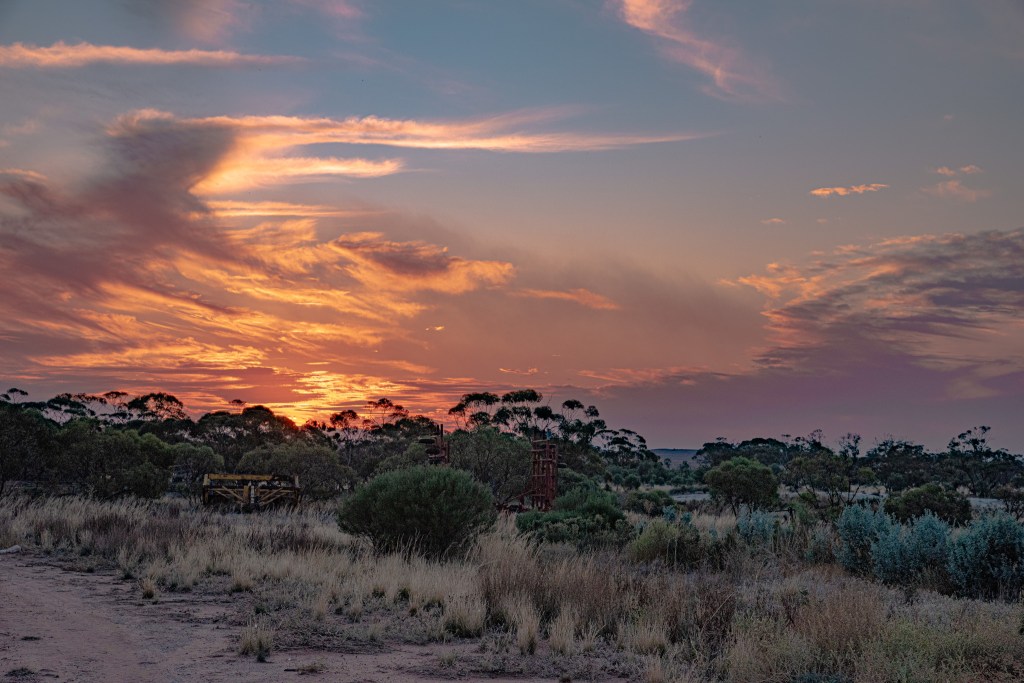

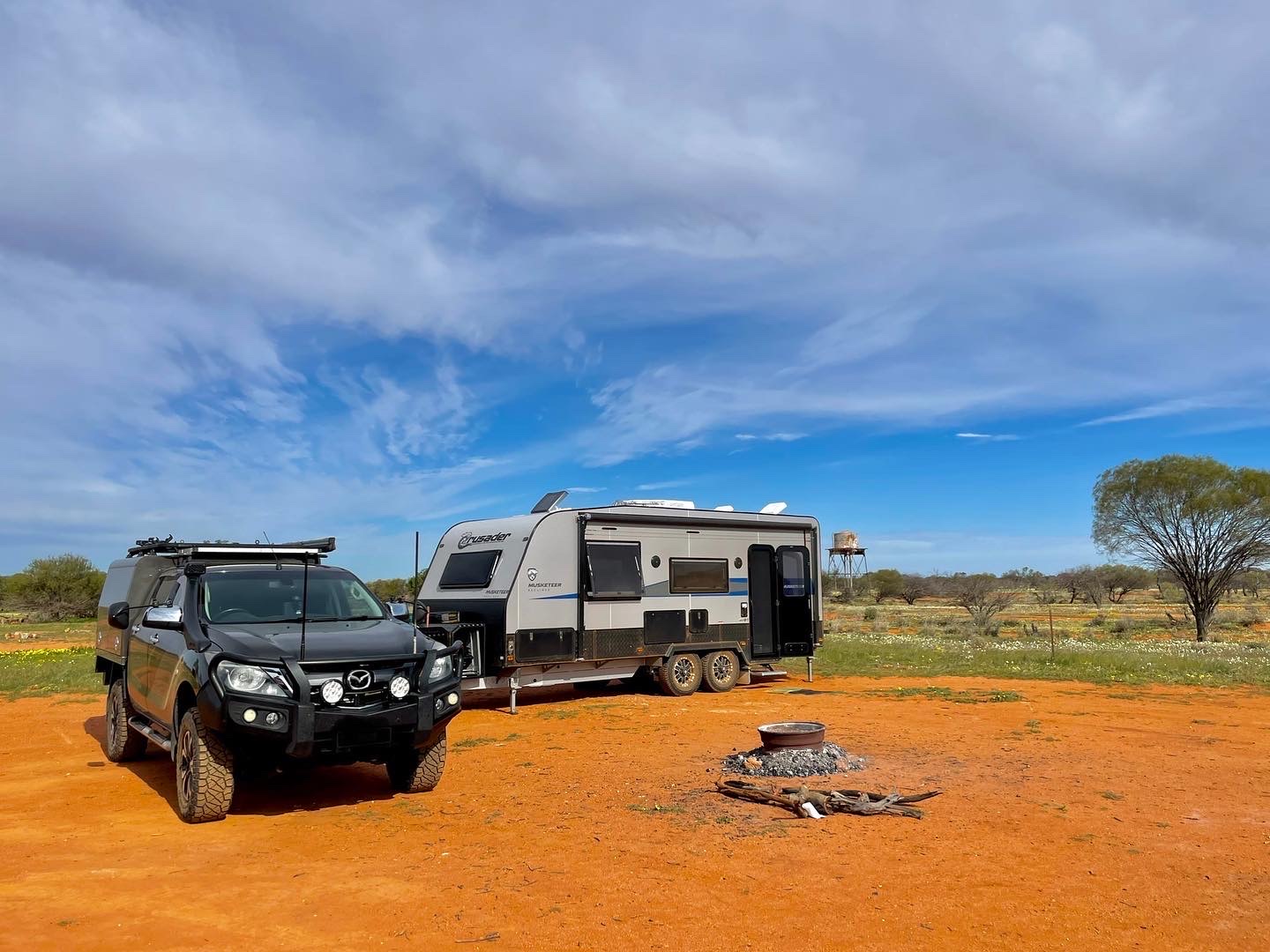
The main reason for coming to this area was one of our seasonal jobs. Arriving in April just before Easter meant not having to find a reasonable camp spot over the holiday season. The farm was an ideal spot to spend the next 8 weeks whilst we completed the seeding program for the farmer.
The town of Ouyen is located about an hour south of Mildura in what can only be described as undulating farming country. Here the land is like sand dunes and in fact that is exactly what it is. Millions of years ago, this country was under water. The sand dunes have been created by the receding tides over time. The tops of the dunes are sandy and the valley’s in between are good cropping land.
Whilst here we were able to explore the region travelling both south and east, plus a couple of trips to Mildura.

Sea Lake & Lake Tyrrell
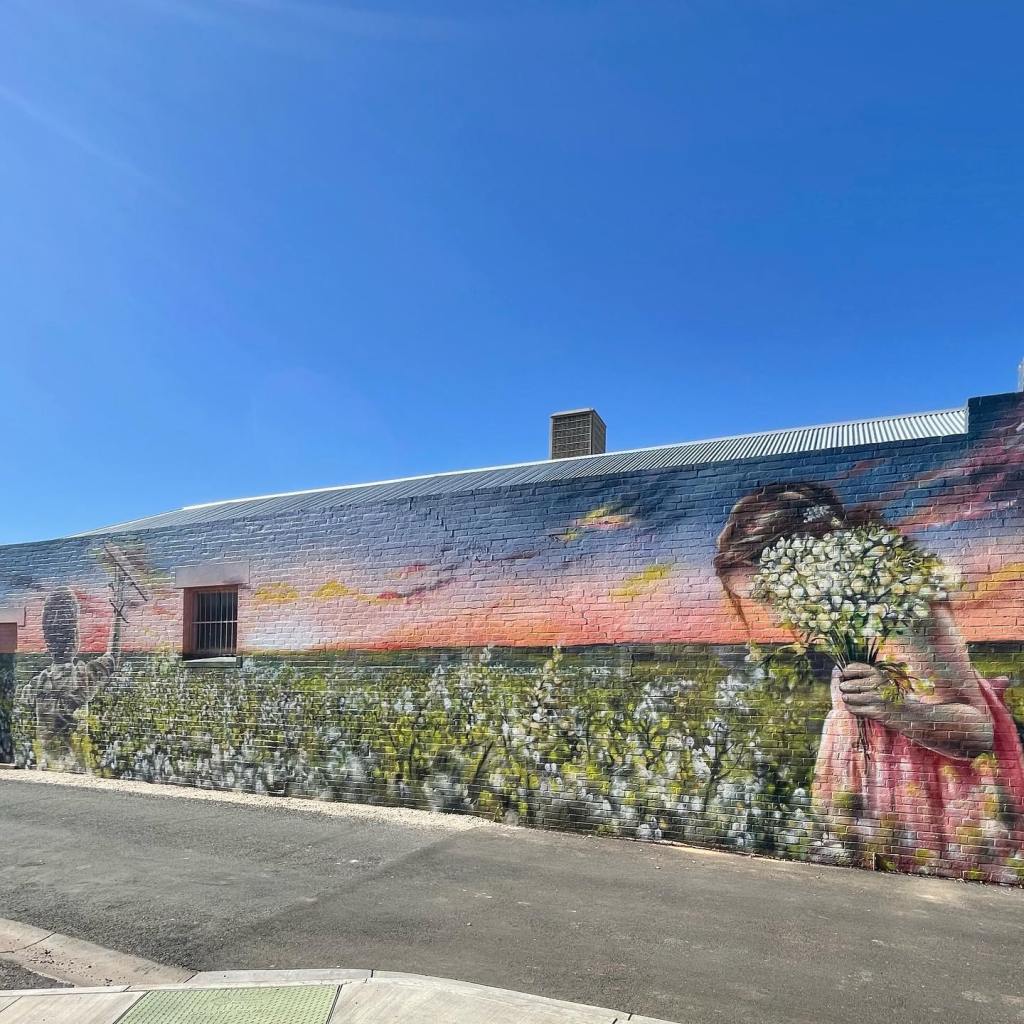


We return to this part of the Malley country of Victoria where we first came back in 1987. Things have changed and to our surprise for the better, which I must say is unusual for rural towns in any part of Australia. So it was a lovely surprise to visit this region and enjoy what it had to offer.
The town had a variety of beautiful mural artworks adorning walls throughout the town. We found a great little cafe come art gallery just up from the pub with the best coffee so we decided to also grab some lunch whilst there along with some special Sea Lake salt not to be left behind.
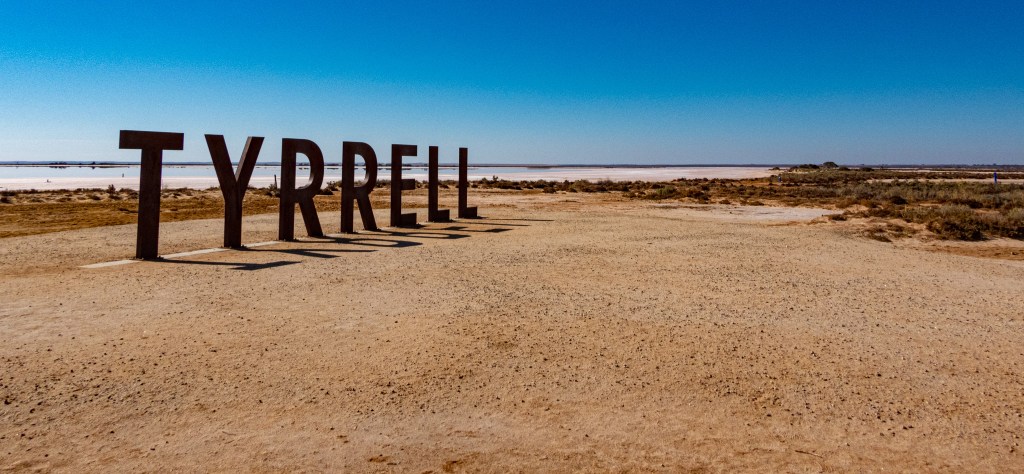
Lake Tyrrell is located just north of the town and is a huge salt lake surrounded by farming land. It is the largest inland salt lake in Victorian and is an attraction for tourists from all over the world who are drawn to the mesmerizing scenery, stunning sunrises and sunsets and breathtaking night skies.
The endless skies of Lake Tyrrell provide a beautiful backdrop to the unique salt formation on the lake bed. The word “Tyrrell” derives from the Aboriginal word “Tyrille” meaning SKY or SPACE. During wet and warm periods, Lake Tyrrell turns pink from the red pigment secreted by the pink micro-algae red marine phytoplankton. Sadly, it was not sharing its glorious pink colours whilst we were there.
Silo Art Trail
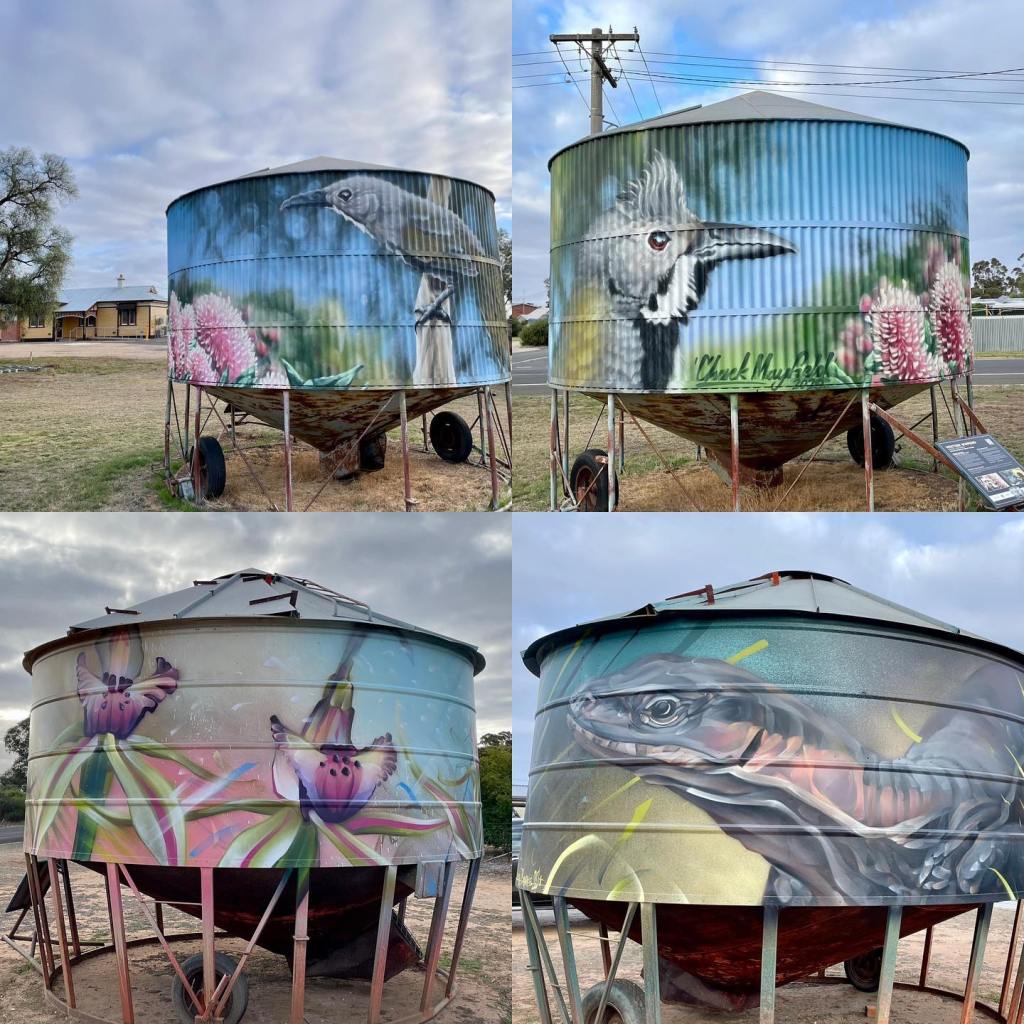
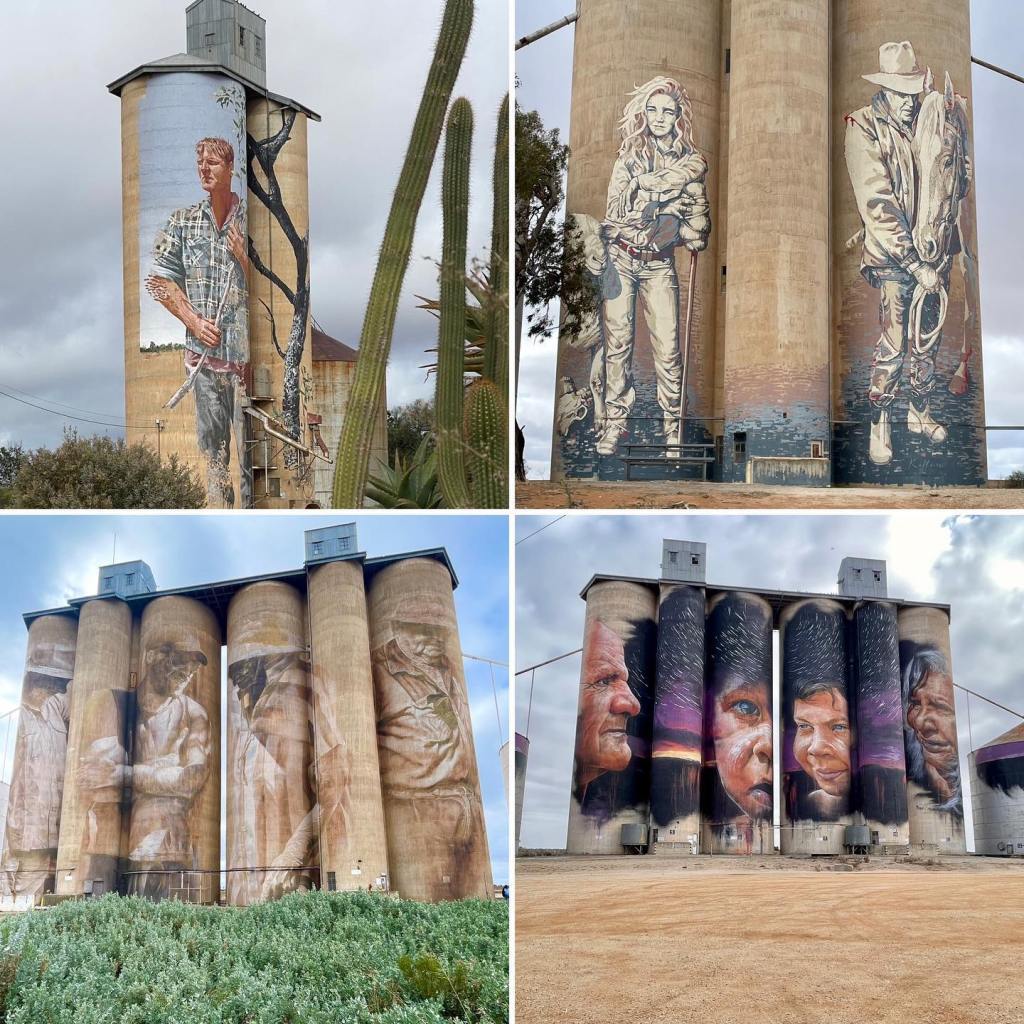
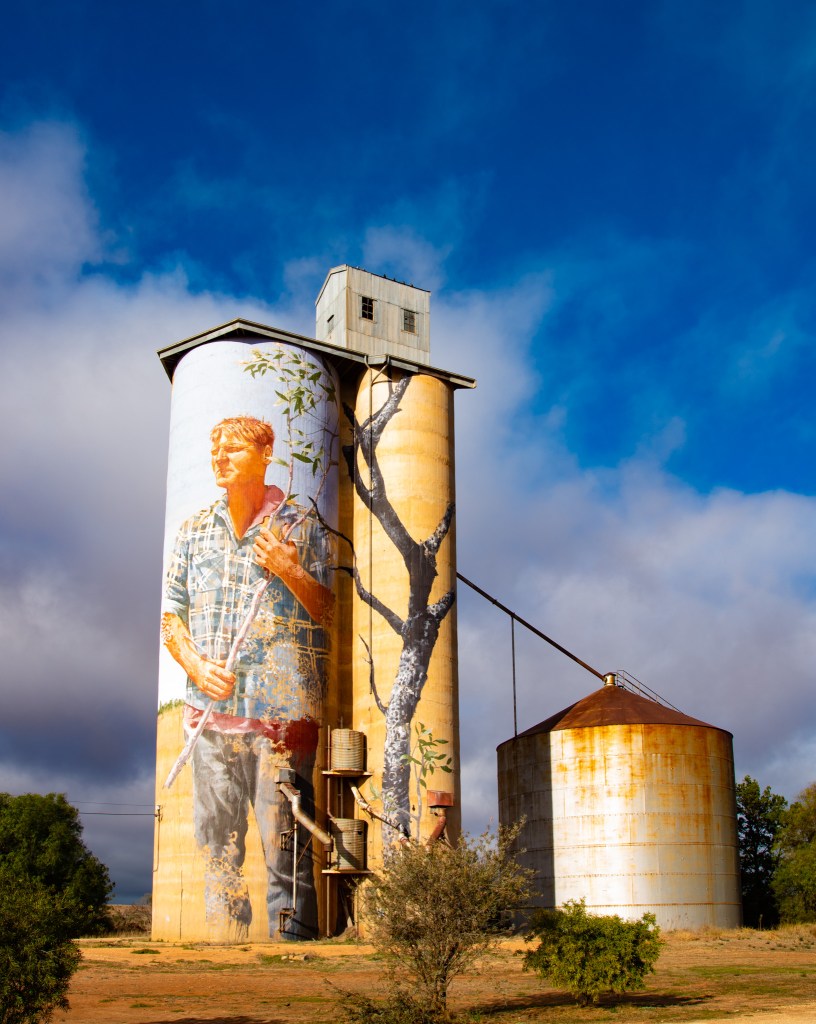
Along the way between Ouyen south either via the Calder Highway or Henty Highway is Victoria’s silo art and mural art. Many towns have taken to getting fabulous artists to adorn blank walls, silos or other objects of their town to brighten it up. But also, to bring tourists in, and it does.
You can view the entire list of silo art trails at Australian Silo Art Trail so you will never miss one.
So here is a small sample of the ones in the Victorian Mallee.




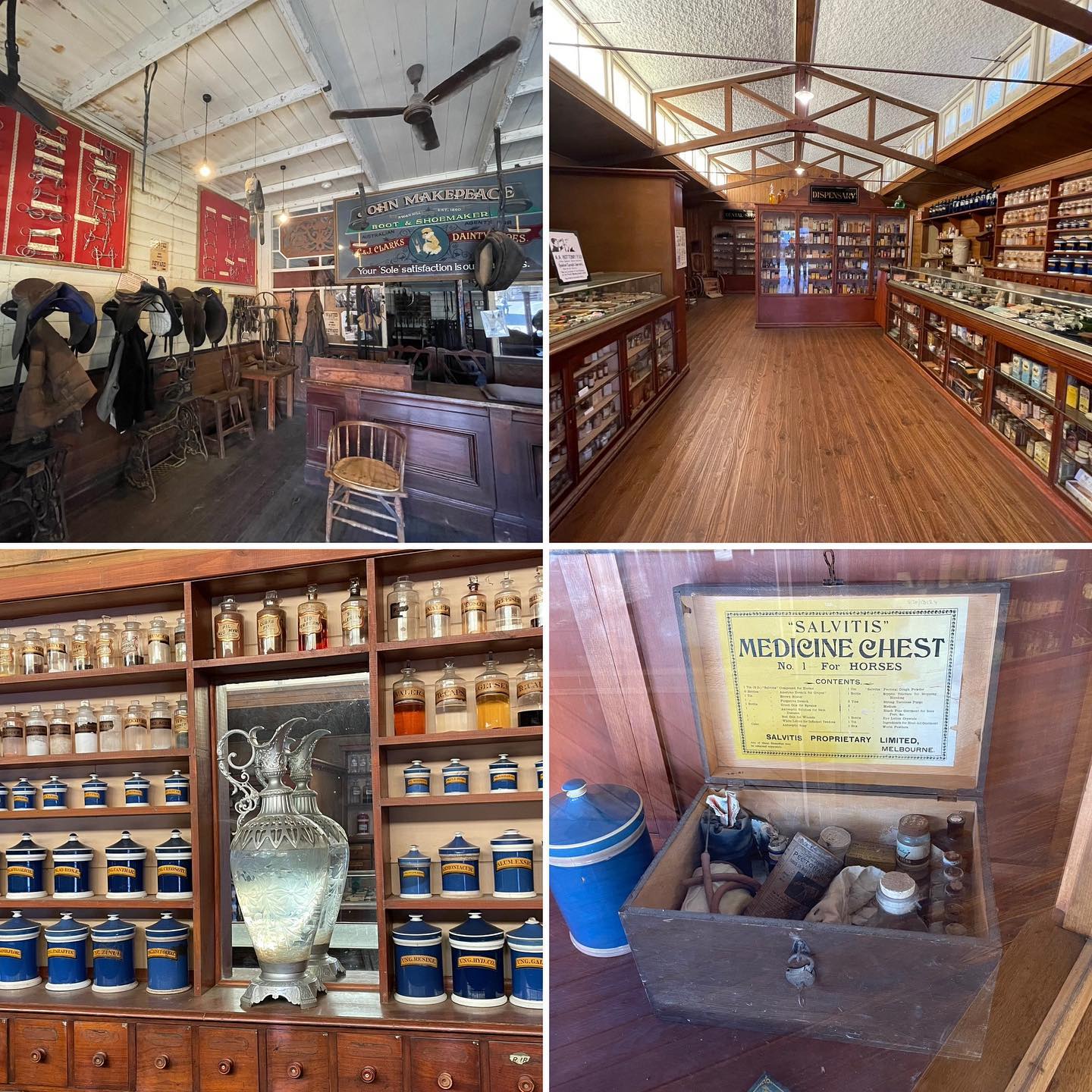
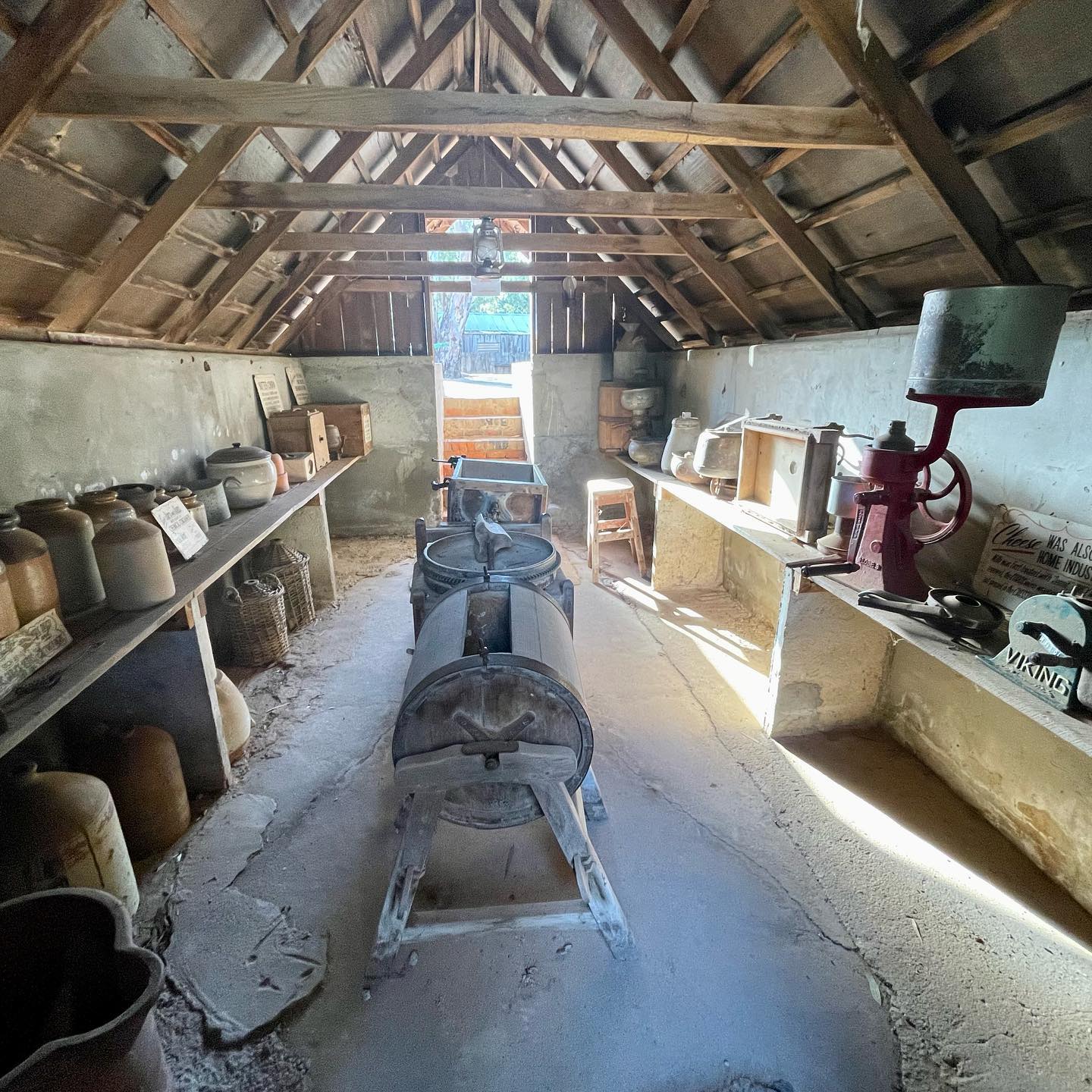
Swan Hill Pioneer Village
Another short trip from Ouyen takes us via Sea Lake then back to the farm via Swan Hill. The town definitely requires a bit more exploring but for this short time we have we explore the Pioneer Village. We will definitely be back to explore the remainder of the town.
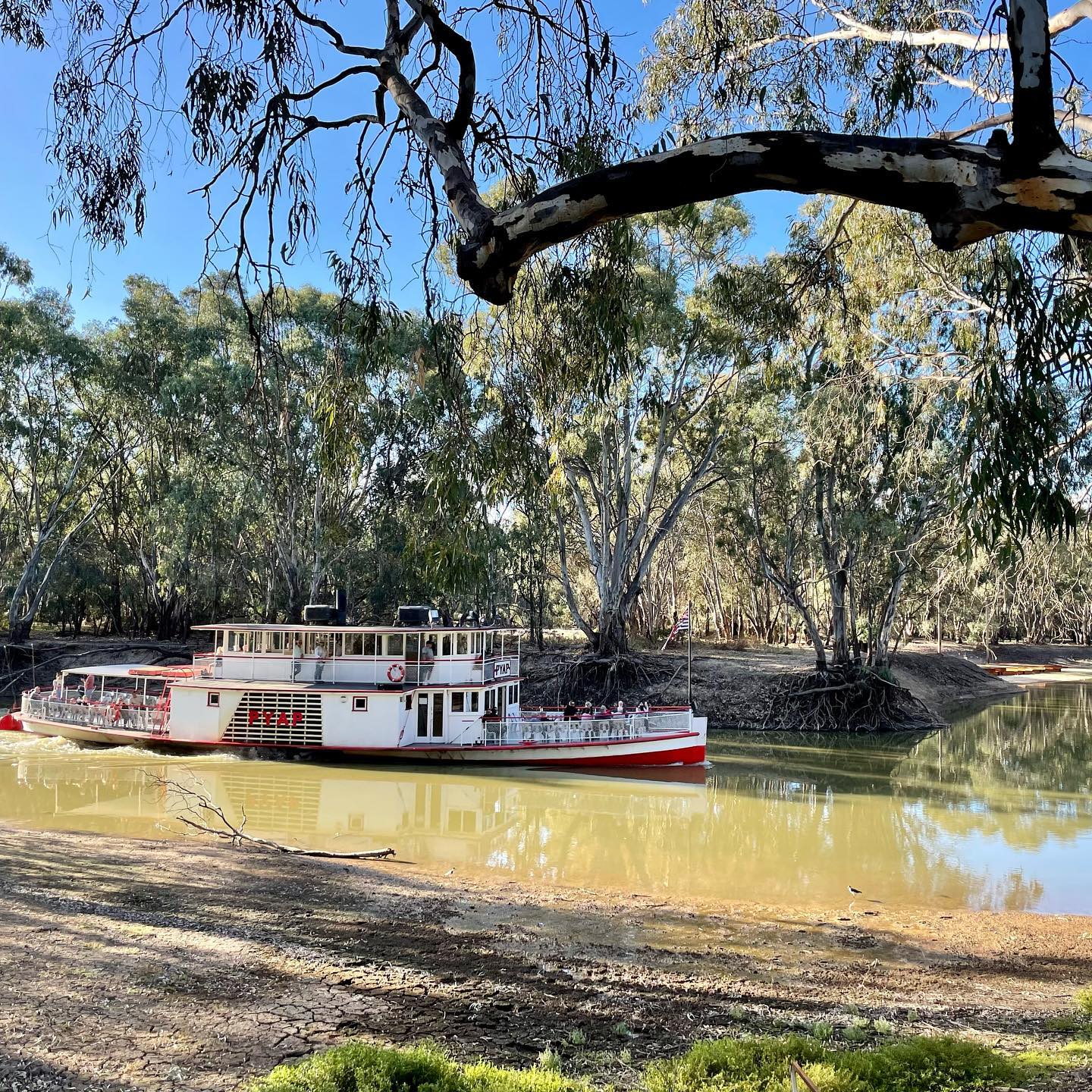
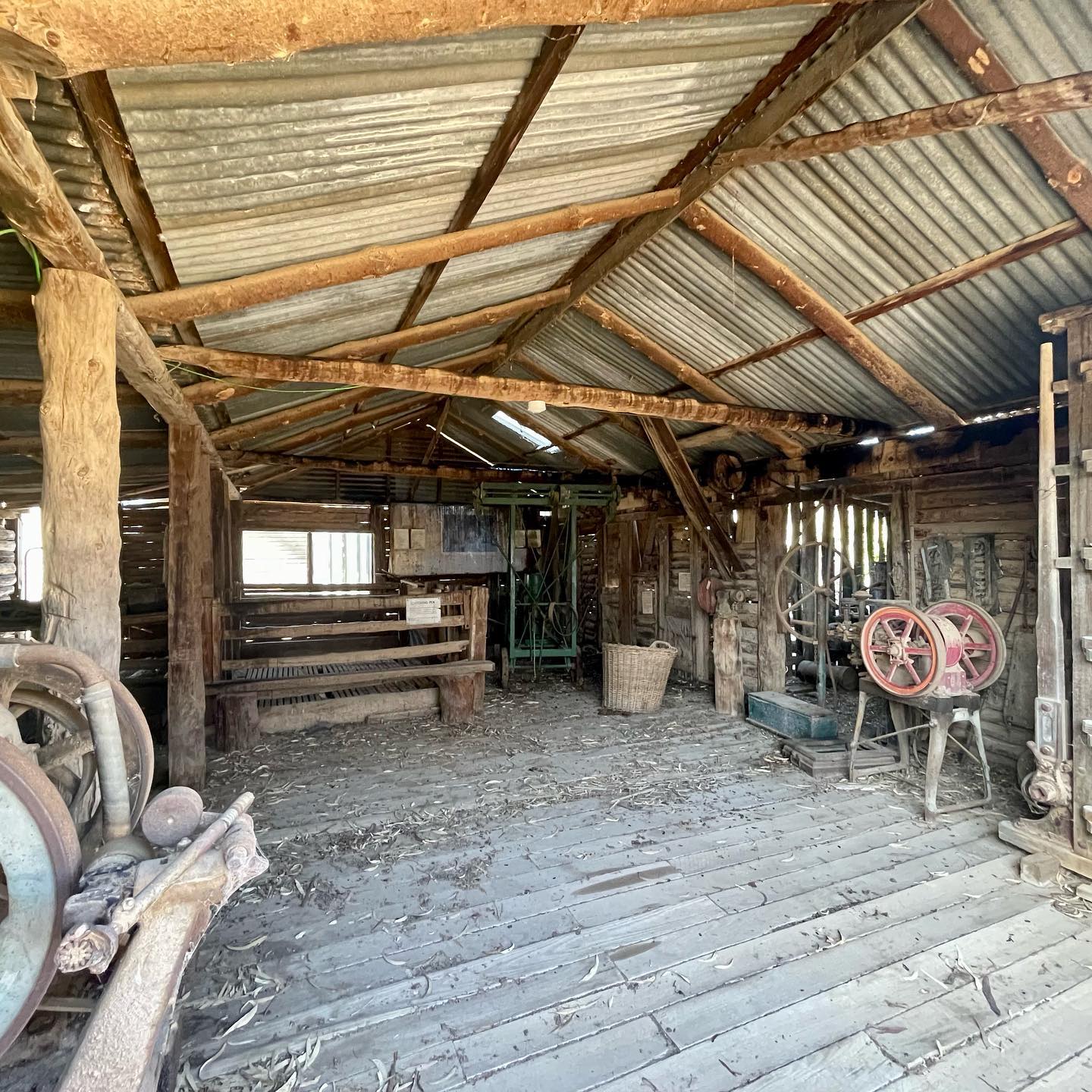
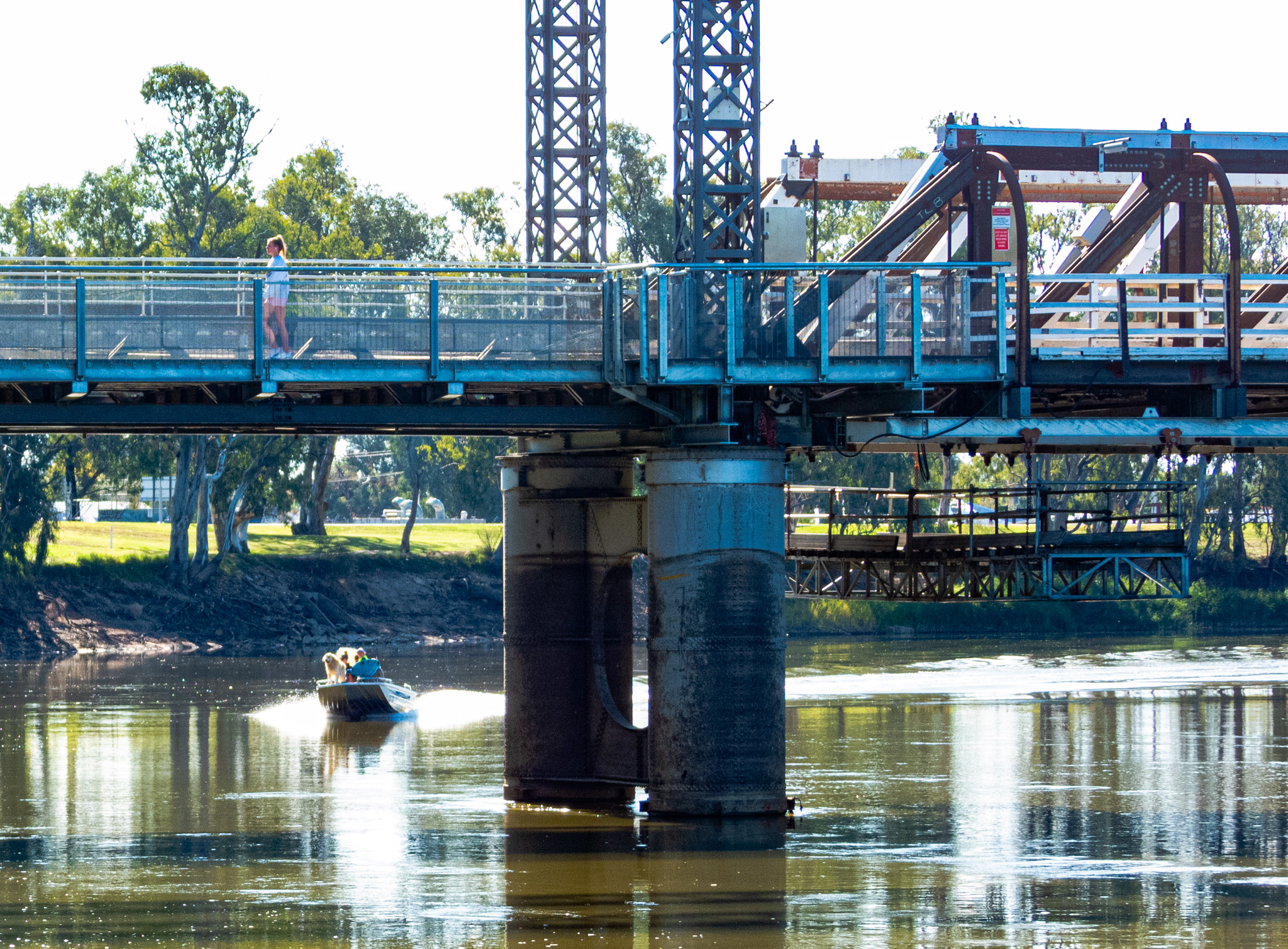
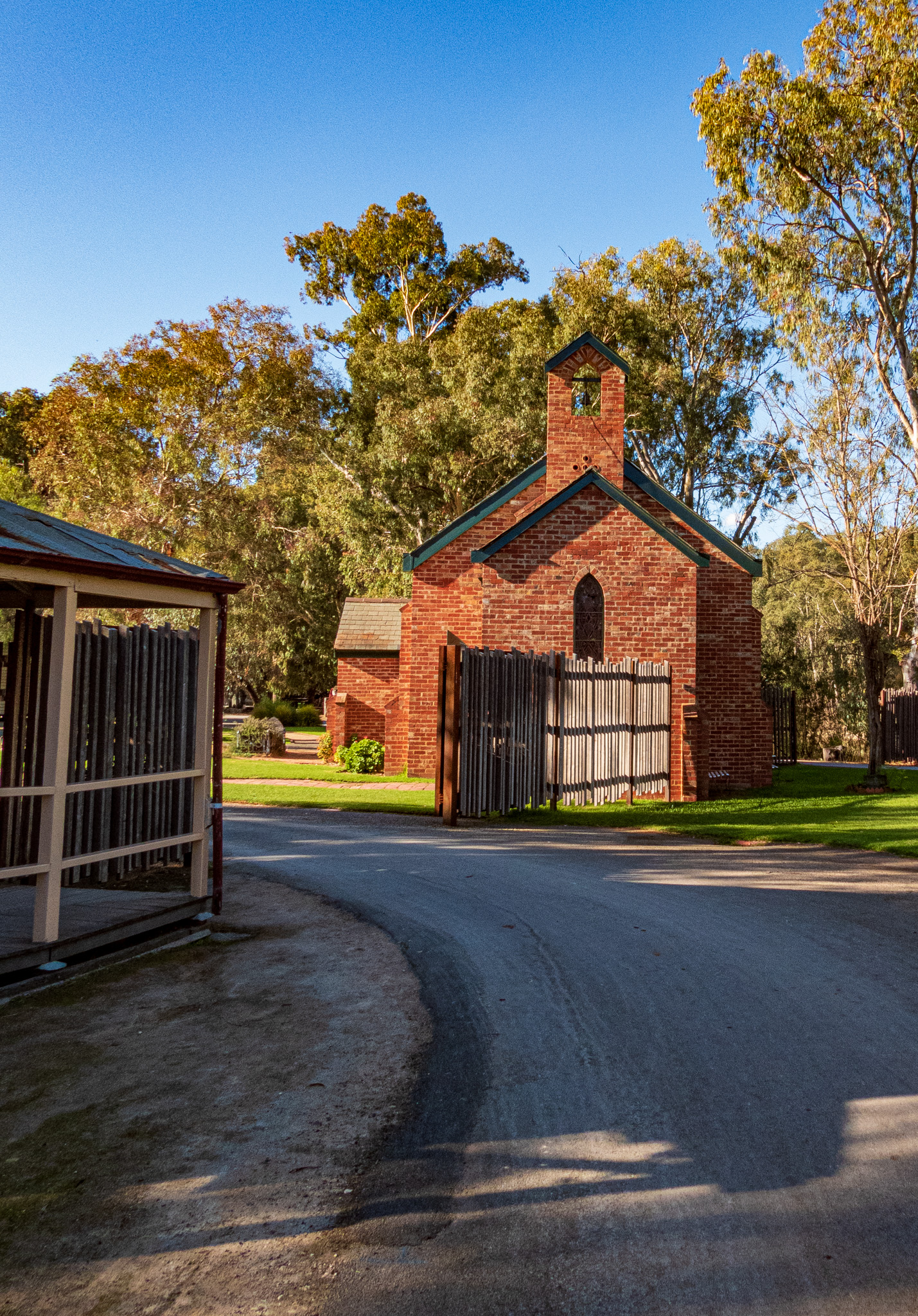
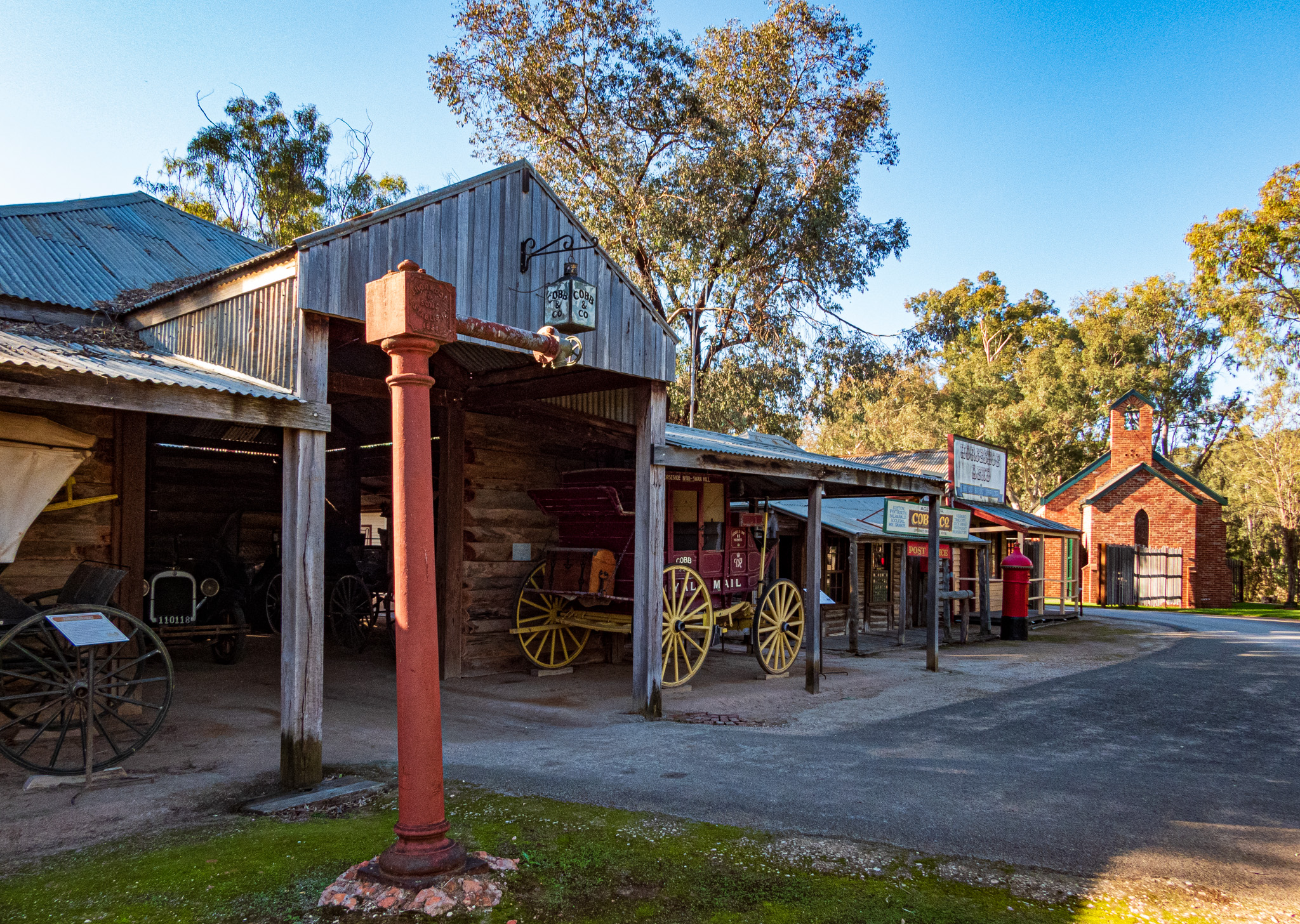
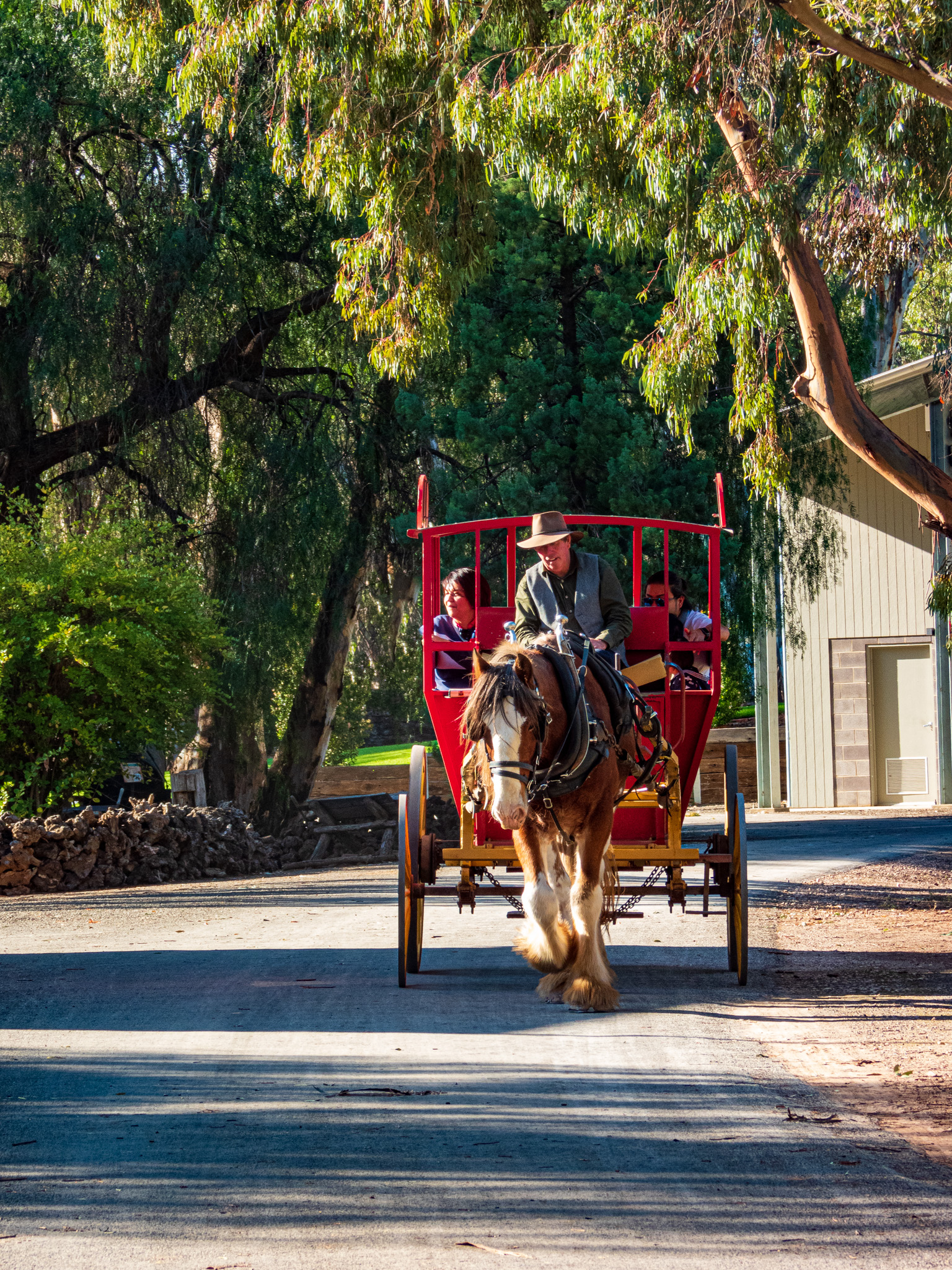
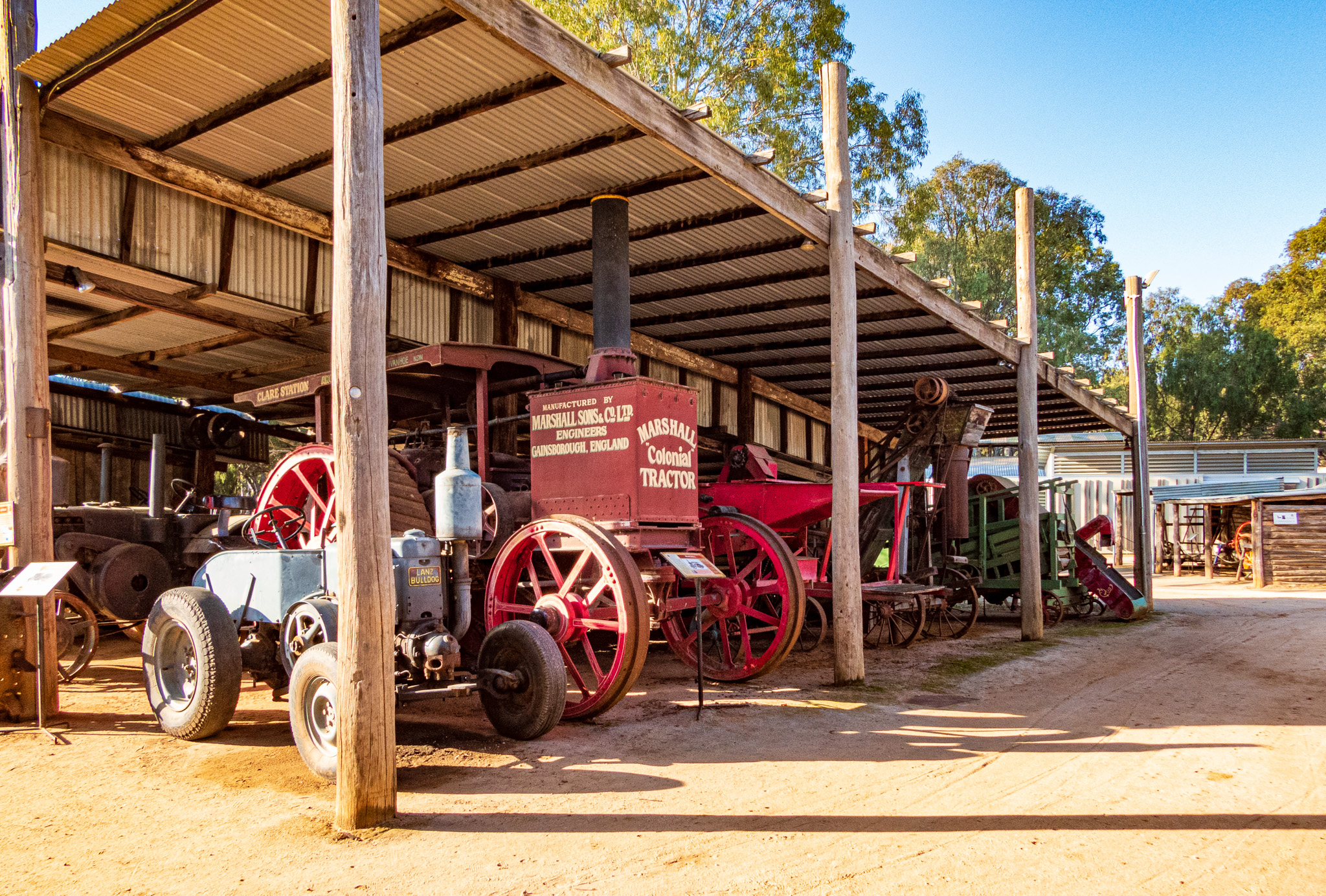

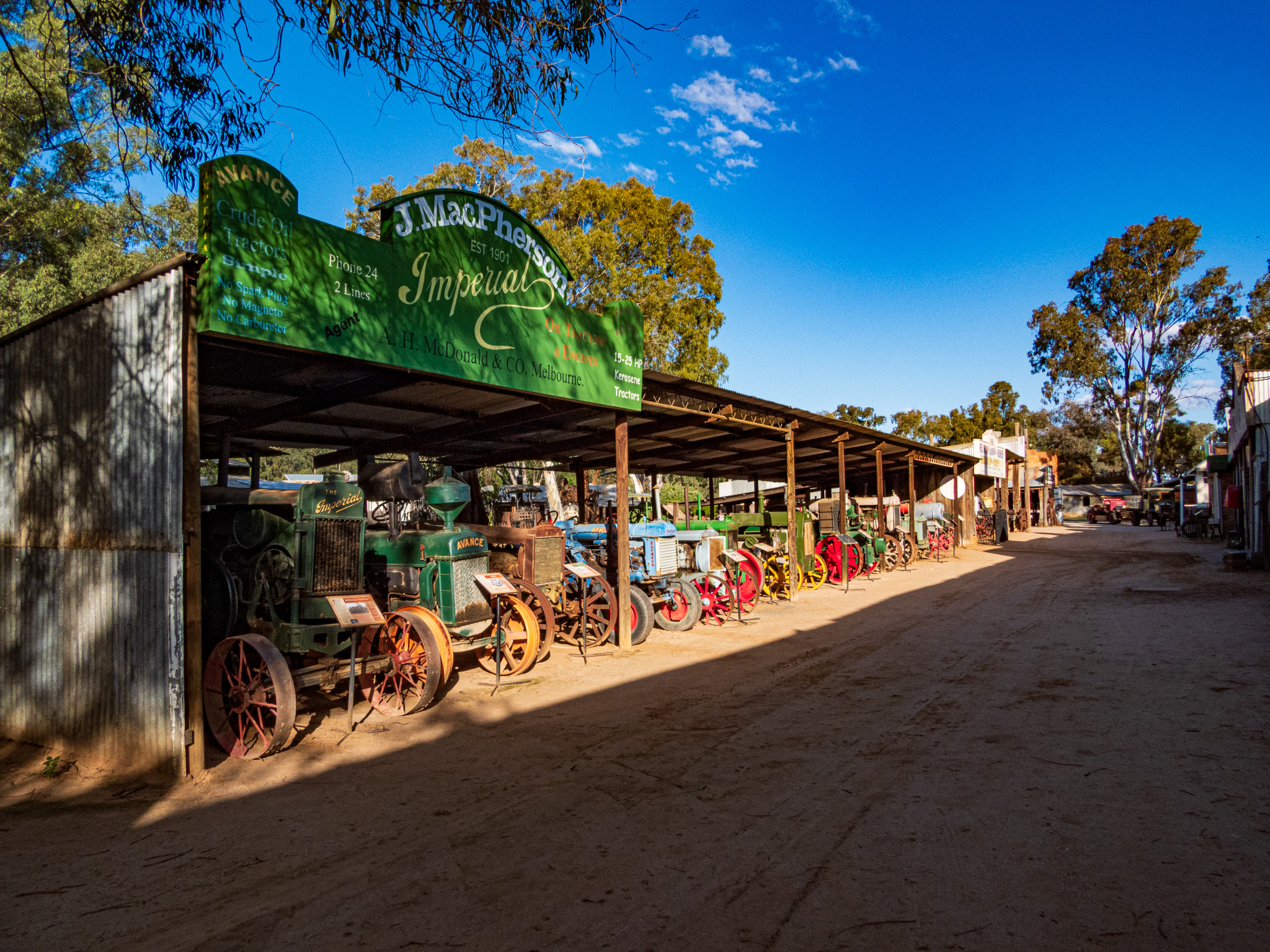

We follow the river back from Swan Hill to Piangil to return via the Mallee Hwy. As far as the eye could see were vineyards, vegetables, fruit trees all watered from the water canals pumped from the mighty Murray.
Back onto the Mallee Hwy heading west towards Ouyen, almond groves stretched for kilometers on the northern side whilst non-irrigated farmland with their freshly sown grain crops were on the south side. Eventually the almonds finish and the country returns to broadacre farmland.
So much to see in this small pocket of Victoria and we did it in half a day!!
Old Buildings and Machinery
The Mallee was opened up to farming in a time when it was too difficult to obtain farming land in the lower more productive land of Victoria. The Government needed more farmers to grow wheat and sheep so opened up these areas. This is a similar story across Australia.
As a result of this decision by the Government, many early settlers were driven to the wall often walking off the land with nothing and leaving homes and sheds to nature if the new owners didn’t have a use for them.
One of our favourite past times is to explore these old buildings.
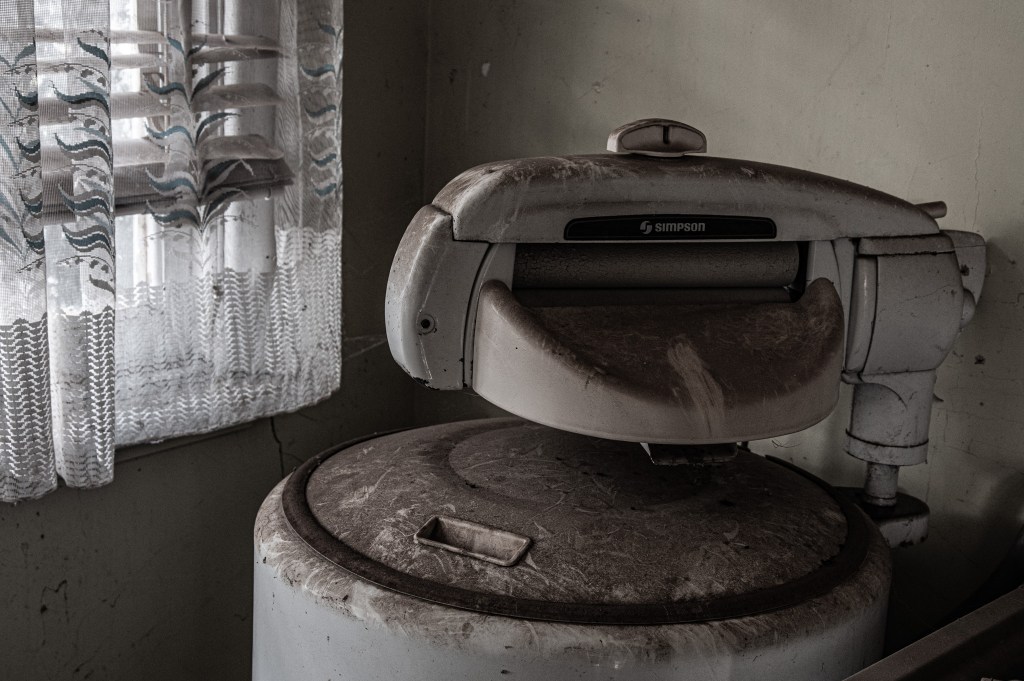


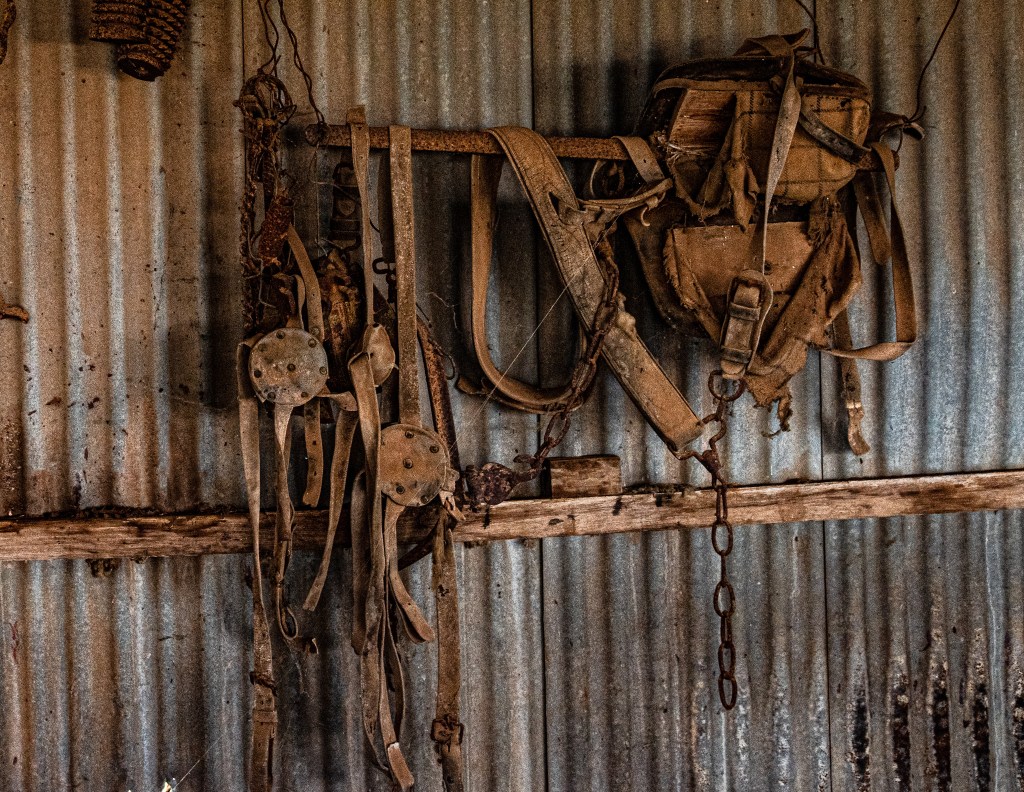

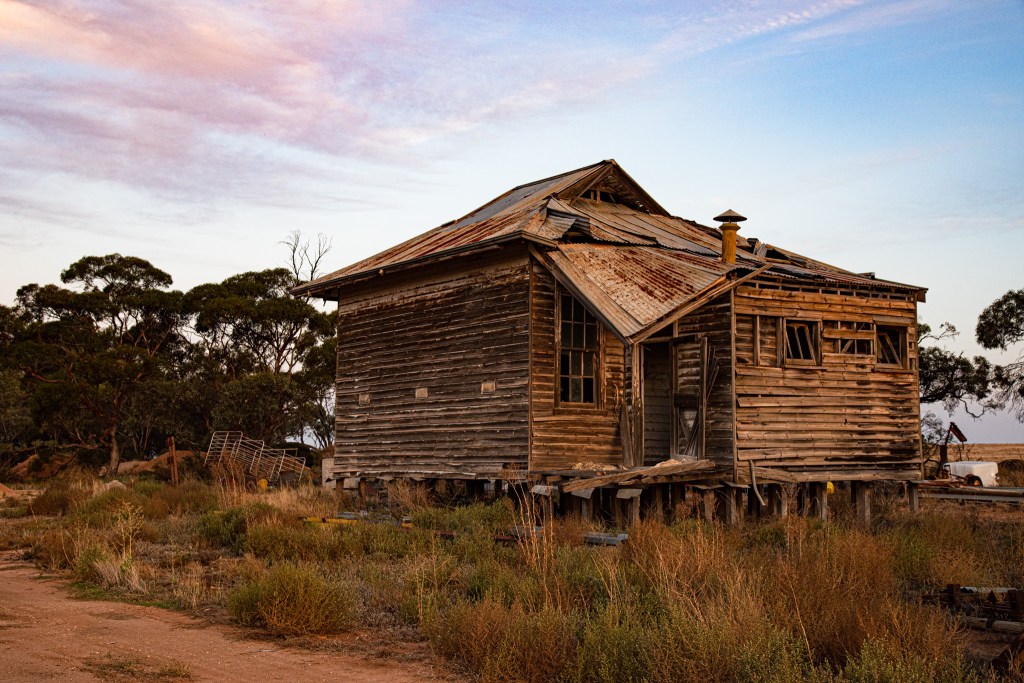
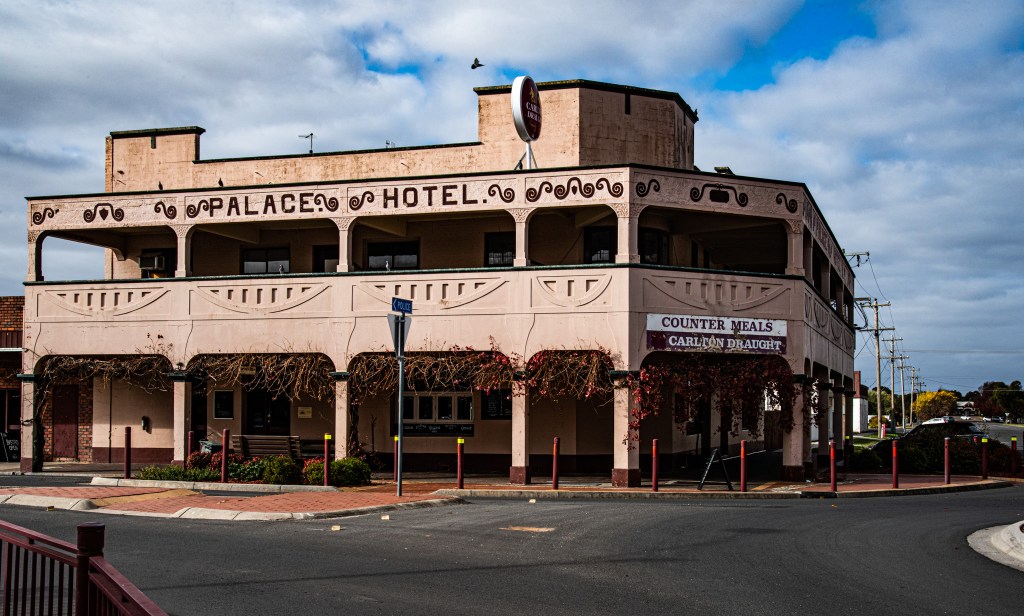
As we drive through some of the small rural towns, we are astounded by the architecture of the buildings in these towns that have lost most of their population of the boom times.


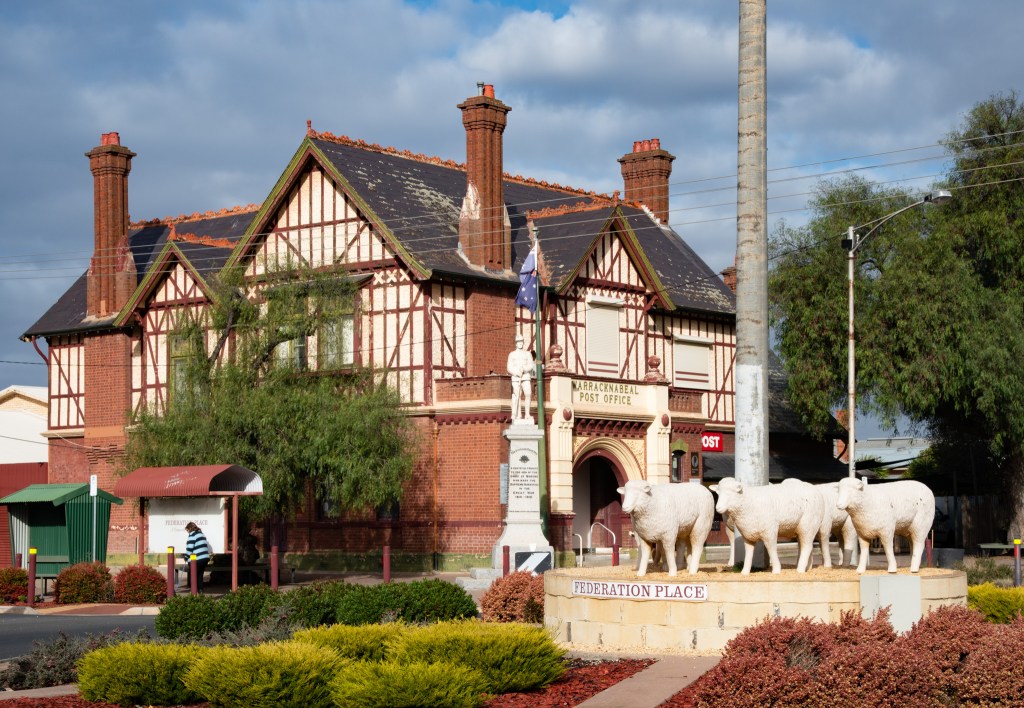


Wimmera
Murtoa Stick Shed
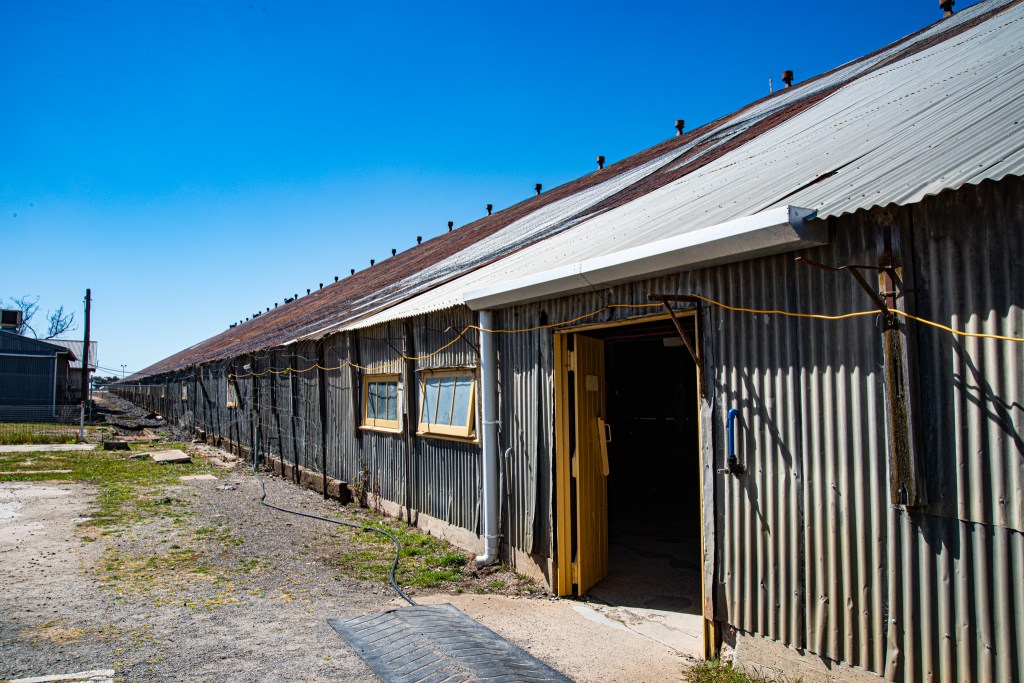

Murtoa is located in the Victorian Wimmera region just north of the Grampians. There are plenty of great places to camp up in the region, but we did a day trip from our base at Donald where we were doing a grain harvest.
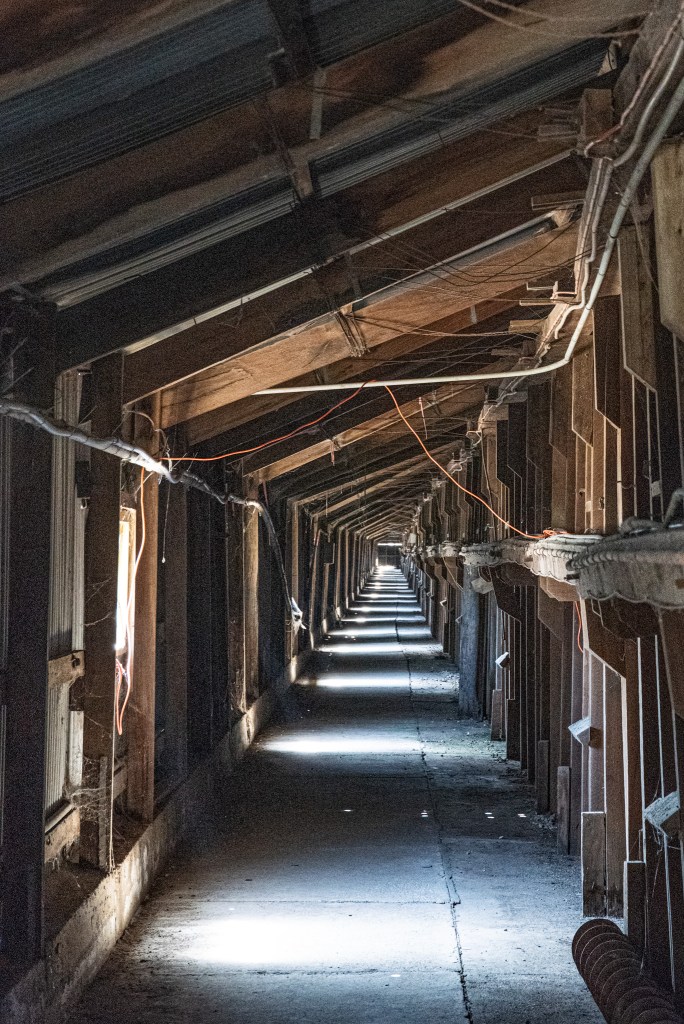
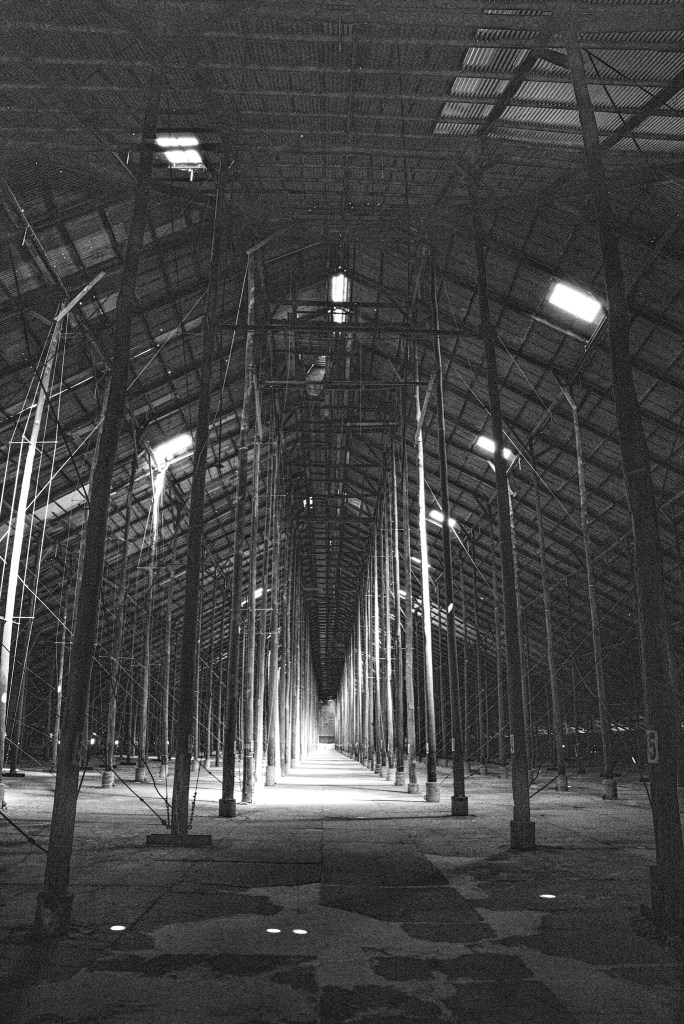
Heritage listed stick shed sounds like something out of the three little pigs, but that couldn’t be further from the truth or reality. This is an incredible structure that when you are standing inside literally takes your breath away at the size.
The Stick Shed is a grain storage facility known as Murtoa No. 1 Grain Store. It was built over four months between September 1941 and January 1942 and filled with grain within six months of construction. It was the first emergency bulk wheat storage shed built in Victoria and is the only remaining shed of this type in Australia. The design was based on earlier designs located in Western Australia for the protection of bulk wheat stored at ground level using iron roofing and sloped walls. The east costs steer away from such ground designs due to the higher risk of flooding, something that isn’t as relevant in WA.
The Stick Shed covers 16,000m2 under roof and measures 265 metres long, 60 metres wide and almost 20 metres high at its apex. The size and scale of The Stick Shed reflects the massive growth of the wheat industry and the need for mass distribution, bulk grain handling and storage facilities for Australia’s oldest agricultural crop. This shed held 92,500 tonnes of wheat.

Bendigo


Bendigo was first occupied at Bullock Creek c.1840. Gold was discovered in 1851 and twenty years later Bendigo was declared a city in 1871. The gold discovery brought a wide variety of both positive and negatives to the region including water shortages, from over population of the gold boom; a change in demographic and cultures with Chinese, peoples from other regions and countries and the gold diggings, shafts and processing infrastructure to name a few.
We left the van on the farm and drove to Bendigo for the long weekend booking into a lovely historic Air BnB which was once part of the gold era. The cottages are restored miner’s cottages linked to the mine on the hill on the south side of the cottages. This area has been set aside as public open space with some remnants of the mine still visible. The Cottages Bendigo were divine and quaint, perfect for what we needed with stunning cottage gardens that provided privacy for each of the three cottages. Our host Diane was marvelous.
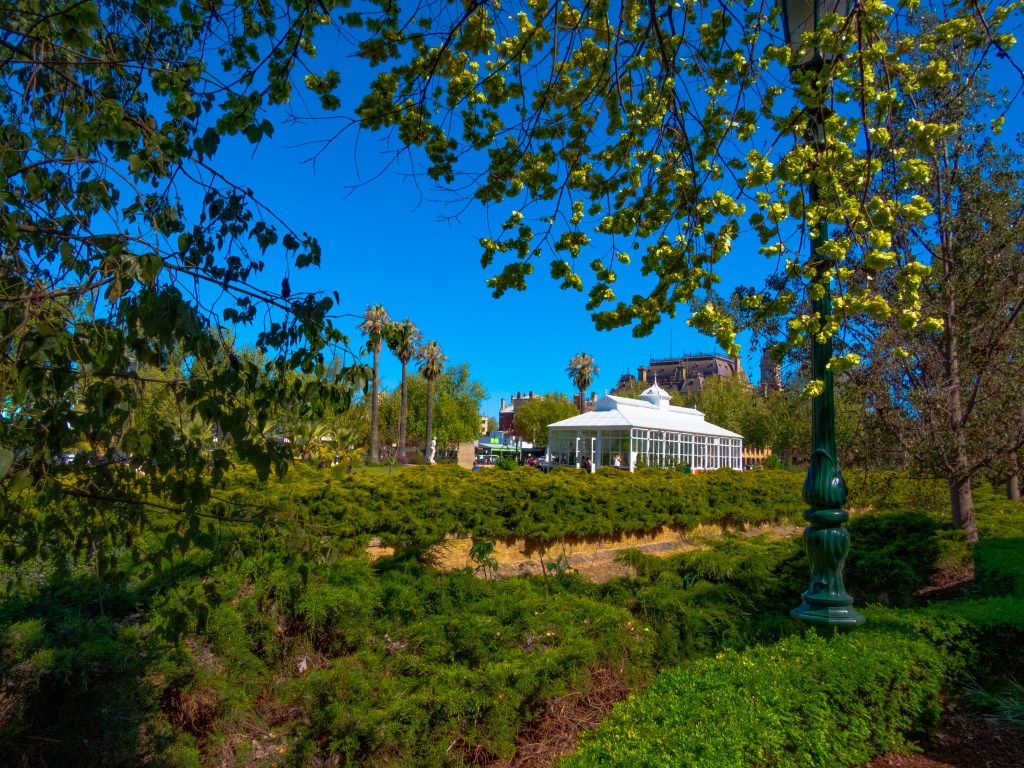

The Bendigo Bloom festival was on with a fabulous display of tulips and other flowers looking blooming beautiful in the central gardens. The long weekend also had many other activities and functions on so the city center was very busy on the Friday (public holiday).
There is so much to see, experience and do around Bendigo, so we were strategic in our choices given we were also there to meet up with family.
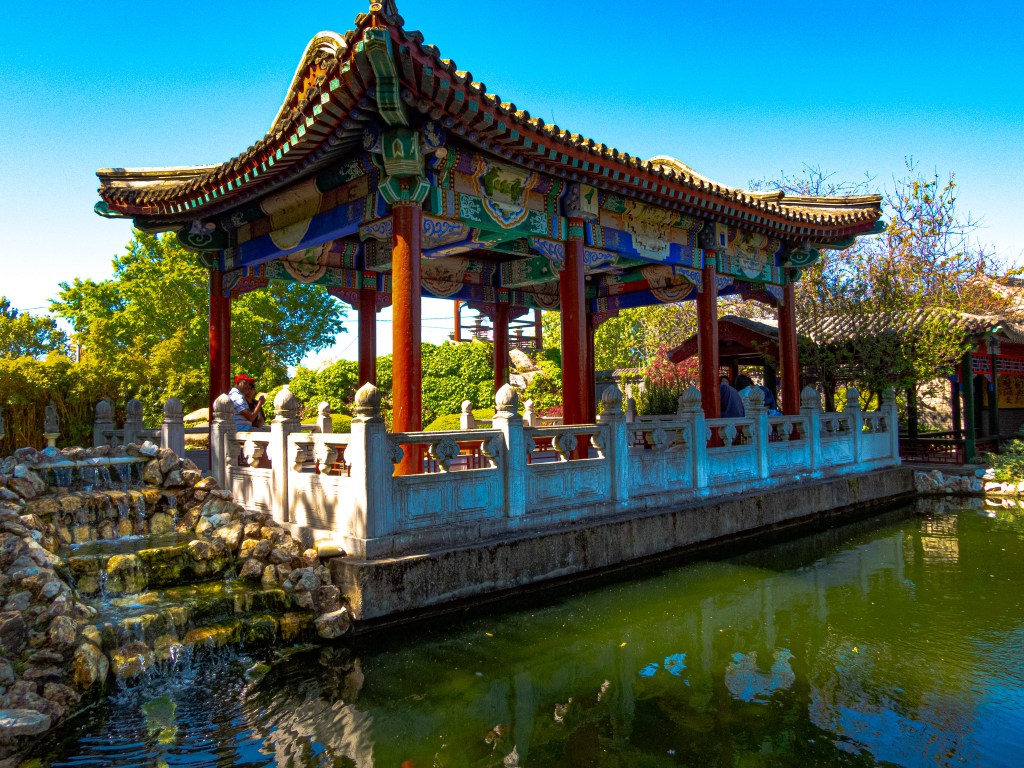
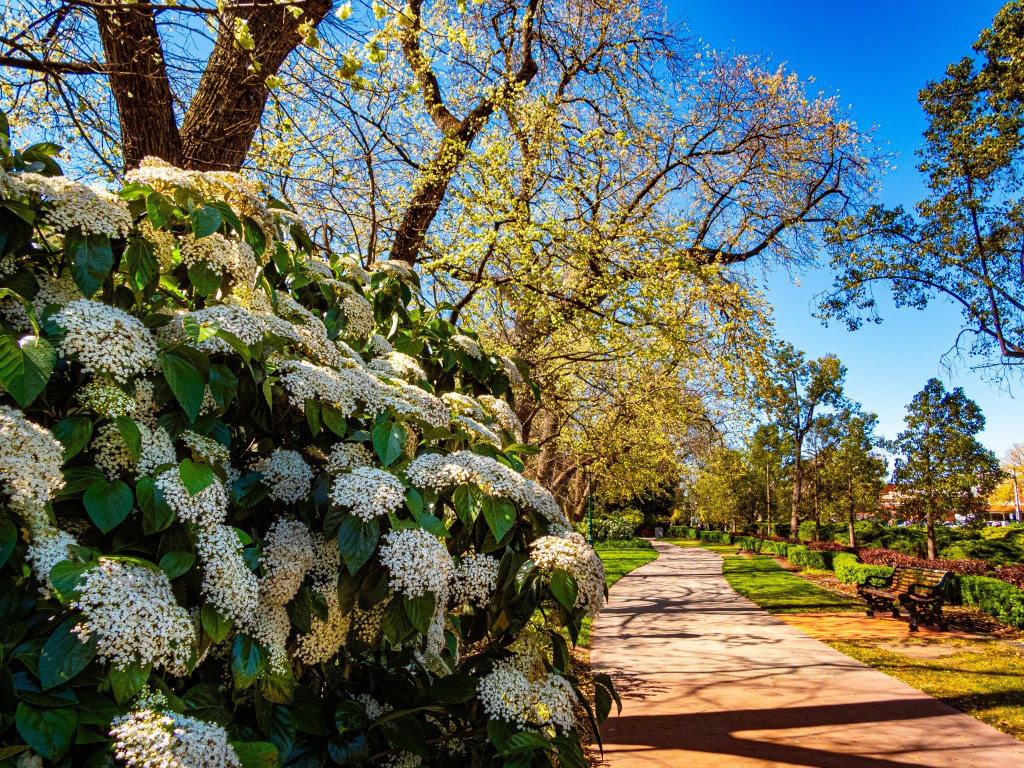
The architecture of Bendigo is breathtaking. As you walk along the main city precinct the historic buildings rise up from the street level with incredible architecture structures demonstrating the wealth of the region in these times.
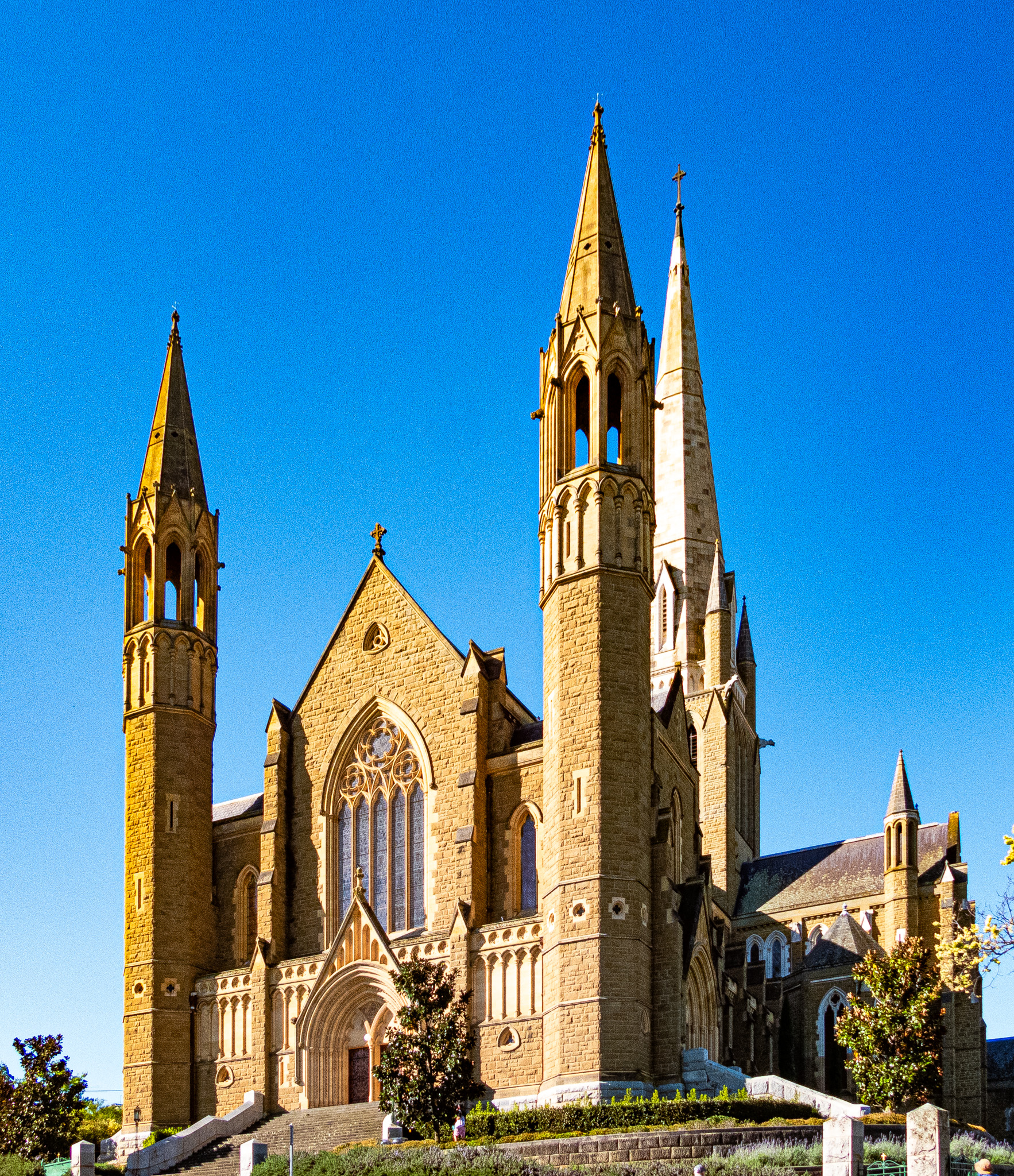
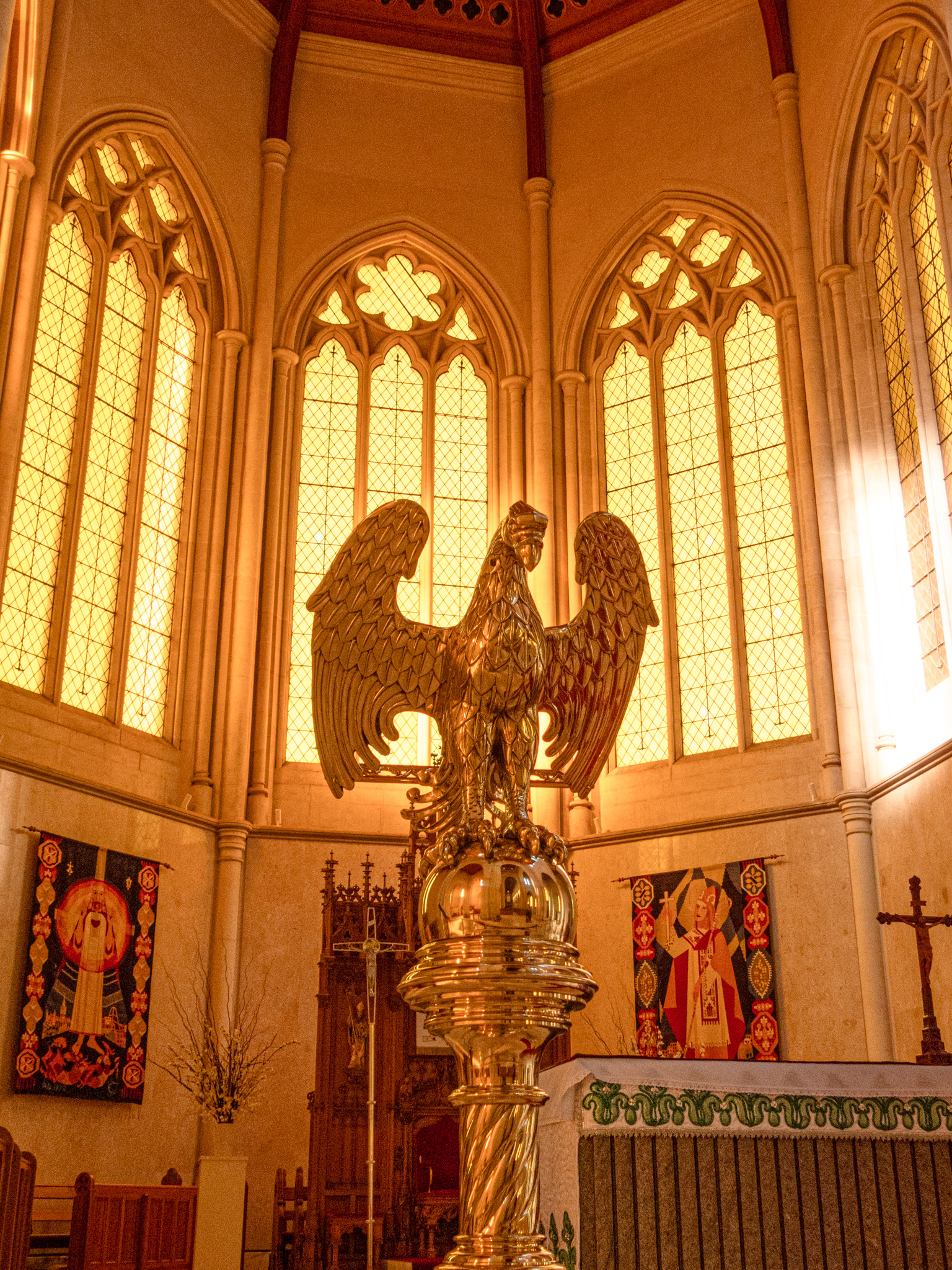
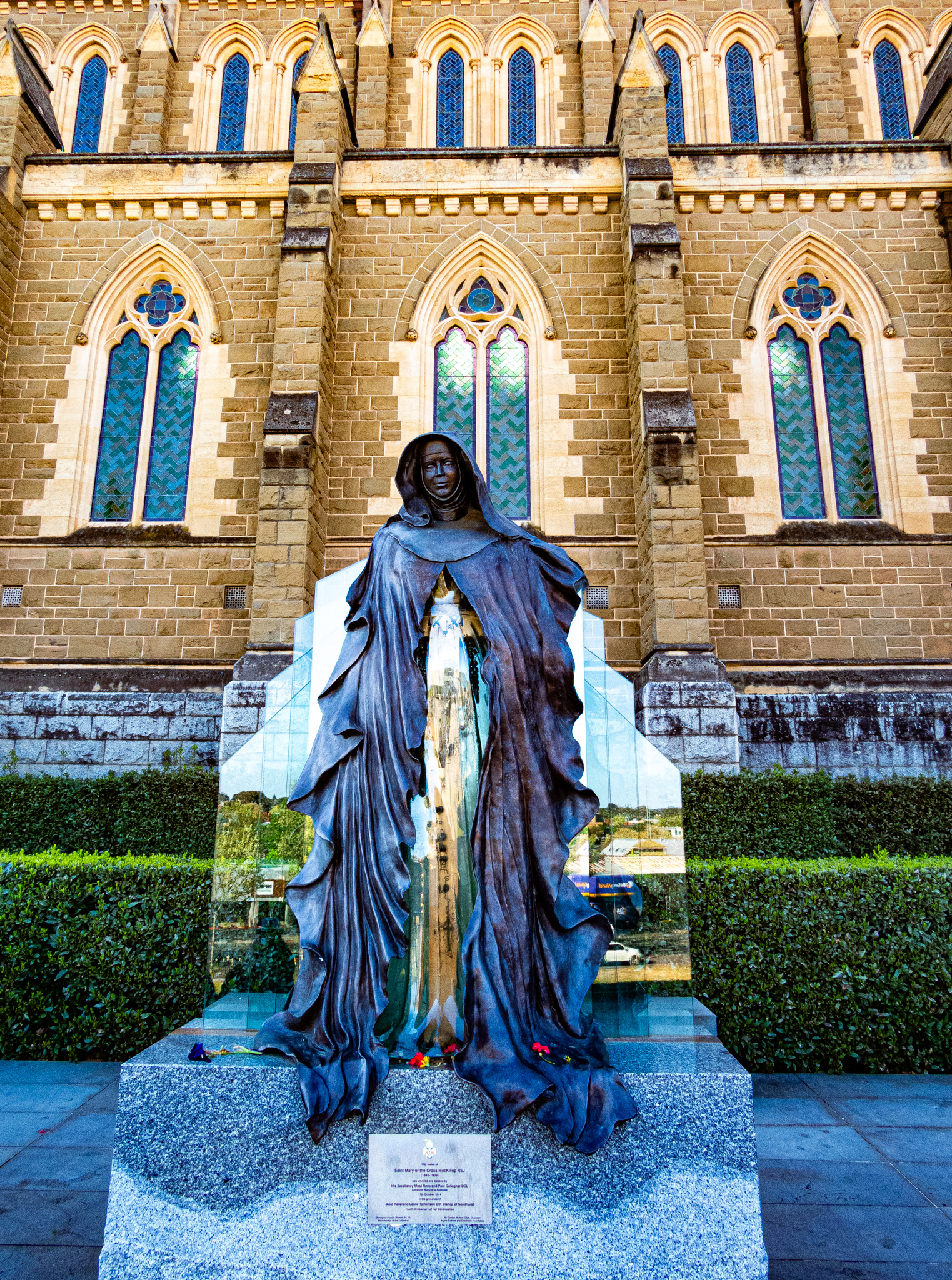
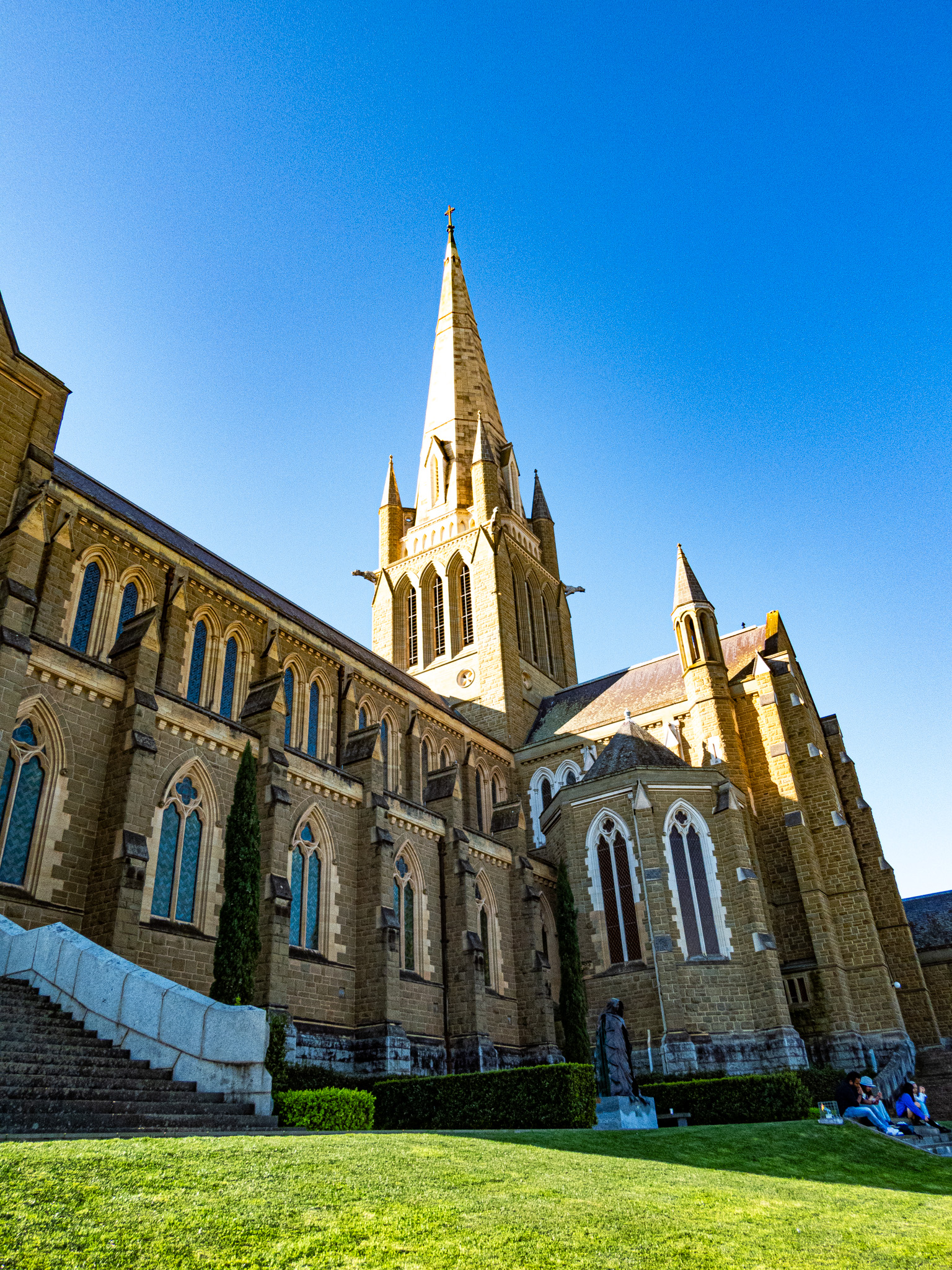
But of them all is the Sacred Heart Cathedral. Stunning is the only word to describe it. Next time we visit we will be making plans to attend a service just to hear the pipe organ.


 Travelling Falconers