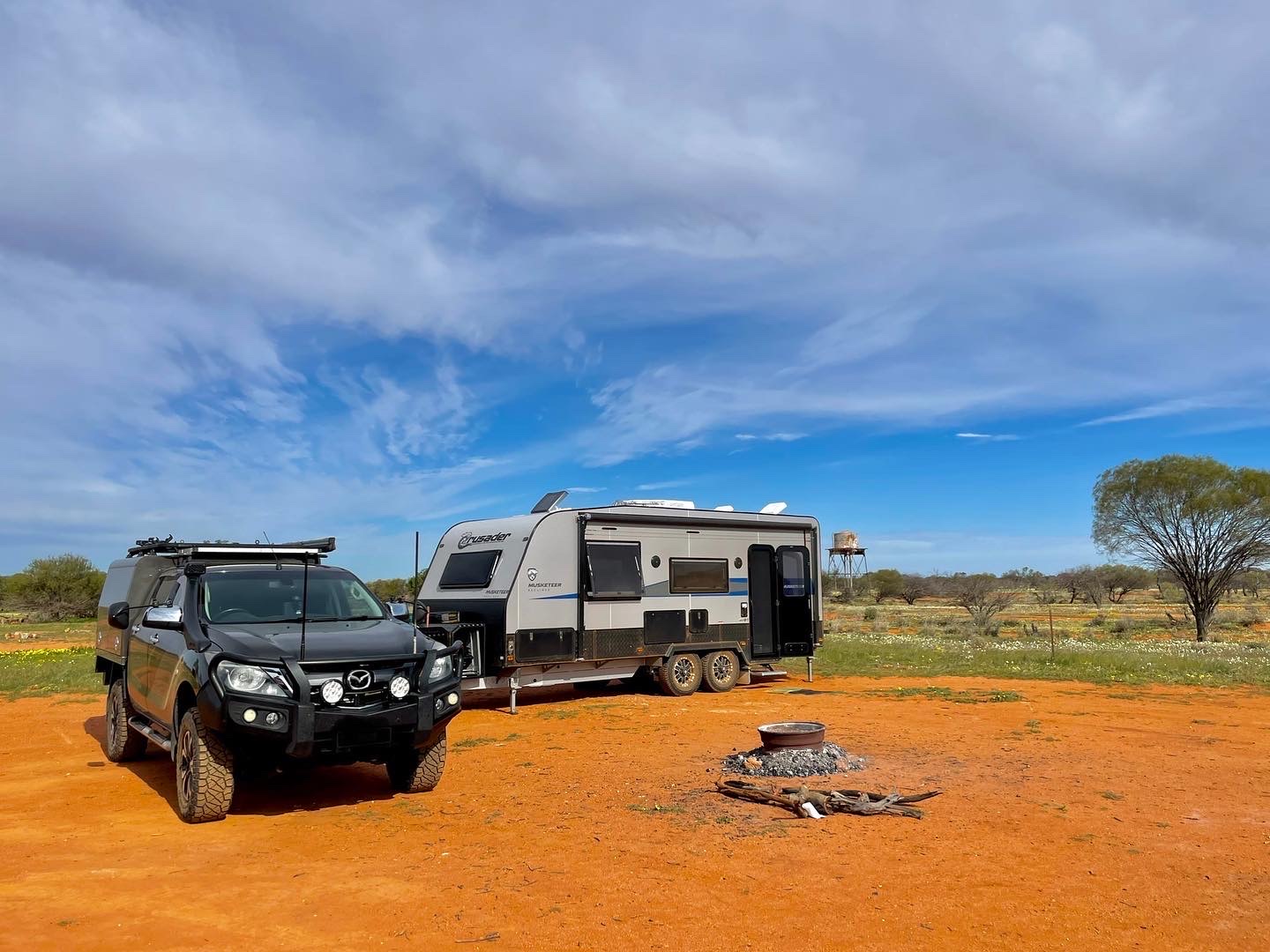
The Covid enforced great road trip SA to Qld
Its May 2020 and the world has succumbed to the dreaded Covid19 and been placed into lockdown. The panic was yet to start, the craziness of people created by the fear mongering from politicians and world leaders. We were all caught up in it, but no more than the 75,000+ travelers across Australia, which does not include backpackers or those simply on a short holiday, with no where to go as they shut down caravan parks, free camping areas, national/state parks/reserves, etc. These people along with the homeless were the forgotten ones as they were displaced by madness.
We were located in Padthaway, SA with a job in NQld to go to. This blog is about our trek to NQld through four states towing our caravan through states in lock-down not welcoming any travelers for fear that these caravaner’s were carrying Covid across the country. Yet, the Government didn’t know what to do with us!!
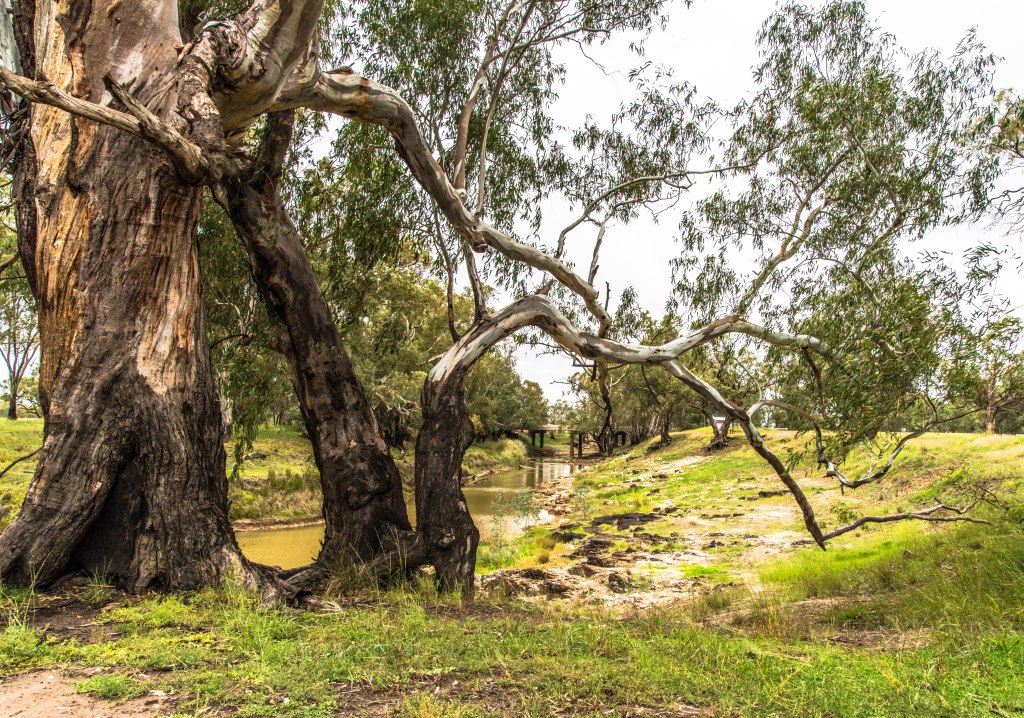
We head off from SA crossing the border at Pinaroo, SA into Victoria driving directly along the Mallee Hwy to cross the river towards Tooleybuc, NSW. We returned here three years later to work on a farm at Ouyen! This is the narrowest point of the mighty Murray River edged by grand paperbarks, river gums and lush undergrowth and as we cross the suspension span bridge, we noticed the river level was quite low. Into NSW and we continue on the Mallee Hwy B12 to meet the Sturt Highway and toward Hay.
Today this trip would be very easy and cruisy, however as most of Australia was in lockdown (and we were locked out of WA), our rising anxiety made this trip as far from enjoyable as you could imagine. Afterall we were towing a big white box behind a Ute laden with camping gear and WA number plates!! It really felt like we were running from the law, but we didn’t quite fit the Thelma and Louise image!!
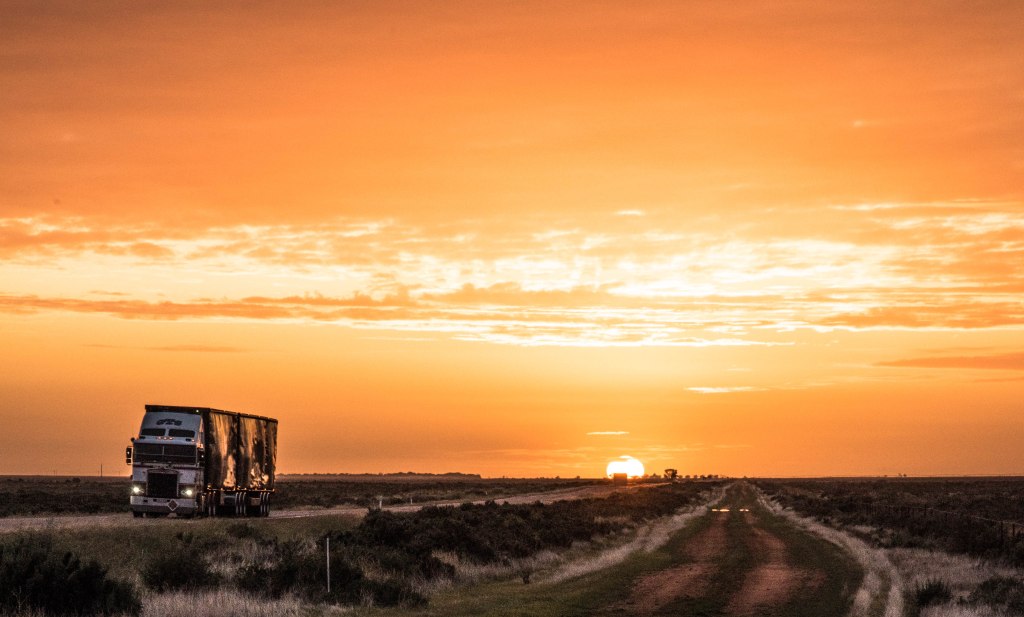
We passed through Balranald, fueled up and headed along the Sturt Highway on the A20 towards Hay, a major truck route to Sydney from SA. It was getting late so we chose to camp up at the St Paul’s Rest Area. The region is well known by truckers called the Hay Flats, primarily because they are very flat. At this point, we never saw a single police car, very few people and no one asked questions. We were blessed with a stunning sunset with impressive rain clouds on the horizon.
NSW: Hay – Goolgowi – Hillston – Cobar – Florida Rest Stop
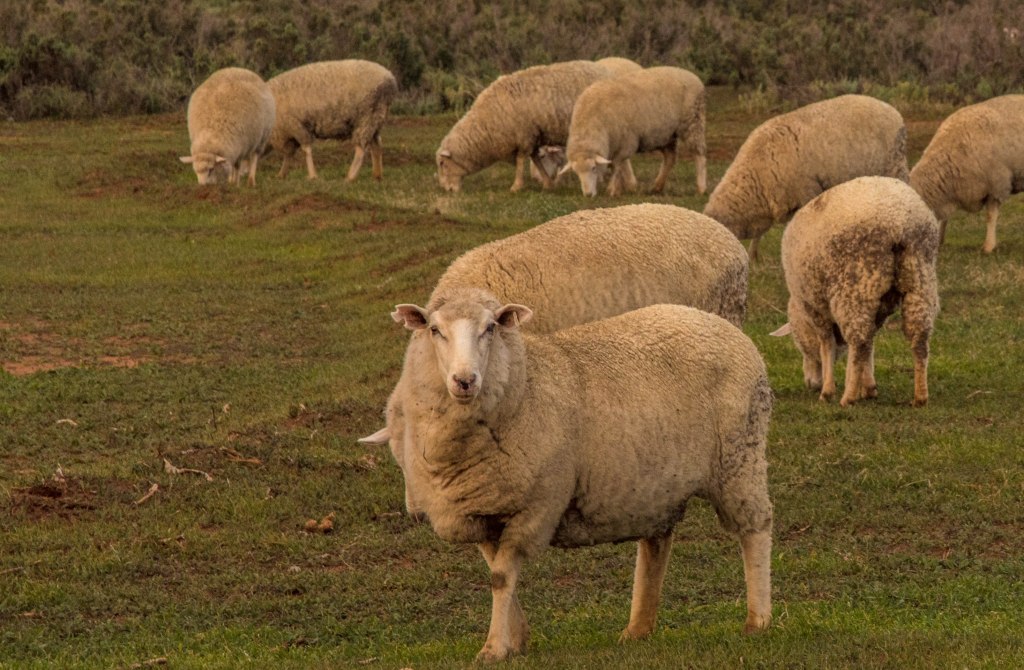
Our overnight rest stop on the Hay Flats of western NSW, was not a quiet one, to be fair it is a major truck route, and we did get some peace between midnight and 4am!! Being woken so early enabled us to witness a beautiful sunrise and a visit from sheep grazing on the saltbush in the paddock next to us, whilst it was freezing, we managed to enjoy these wonders from outside the van.
This feeling of elation quickly passed when our pre-start checks revealed issues with the electric brakes. Bummer!! However, we could continue without much drama or danger.
We forge onto Hay and find an auto sparky to give us some indication of what the issue might be, he was too busy to assist us, but was very helpful and understanding giving us tips and advice. Wasting an hour on the side of the street outside his business, Ian pulled the unit apart and re-wired it, we then headed off with no real improvement.
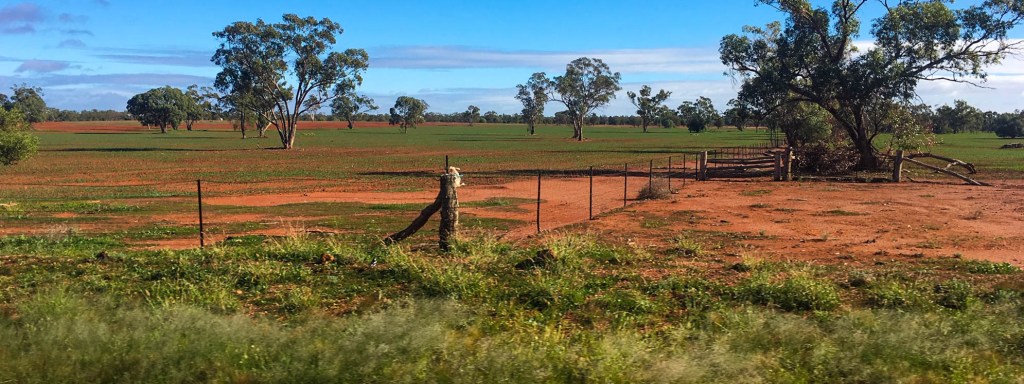
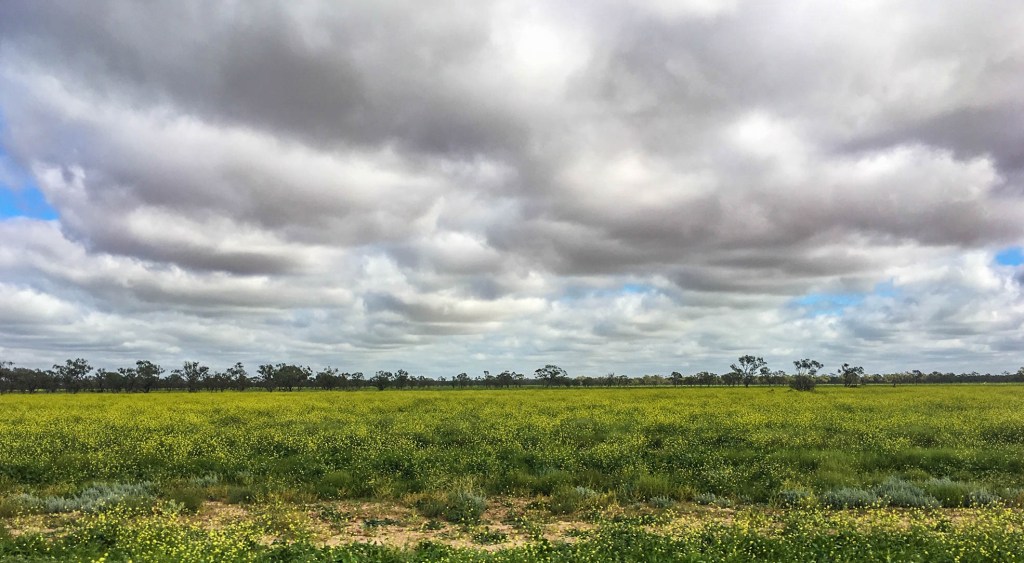
Our journey followed the Murrumbidgee River, which presented some amazing fertile country along the alluvial rich river plains, that continued out along the B64 to Goolowi and onto Hillston on the B87. The red loam soils along the way, where broadacre farming takes place, were lush and green following good recent summer rains in March and April 2020. Some of these paddocks were 1500ac in size, huge.
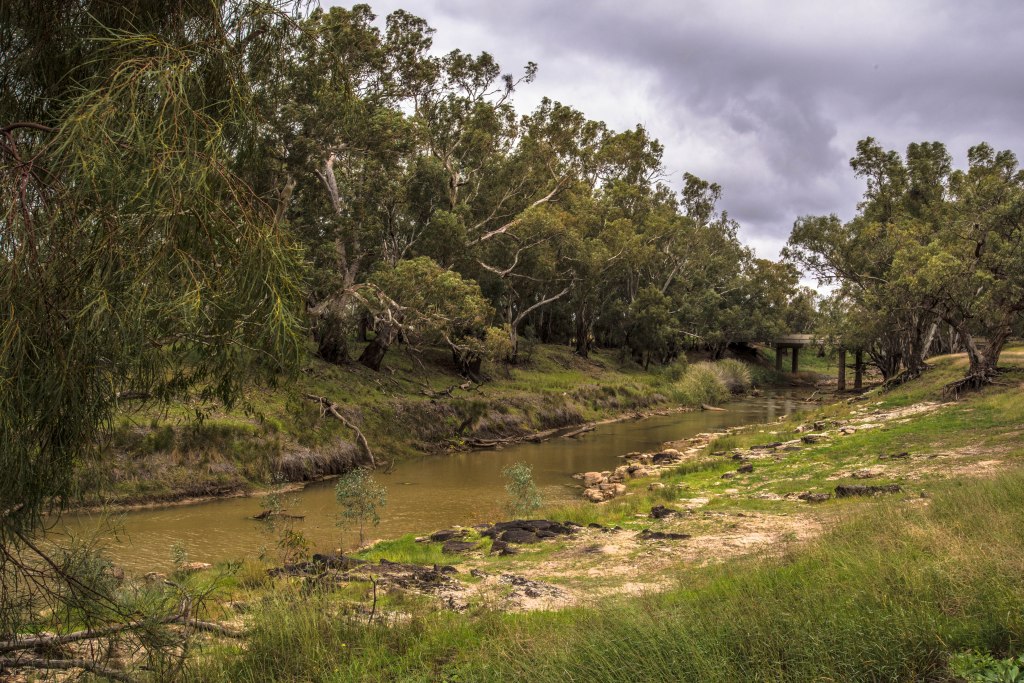
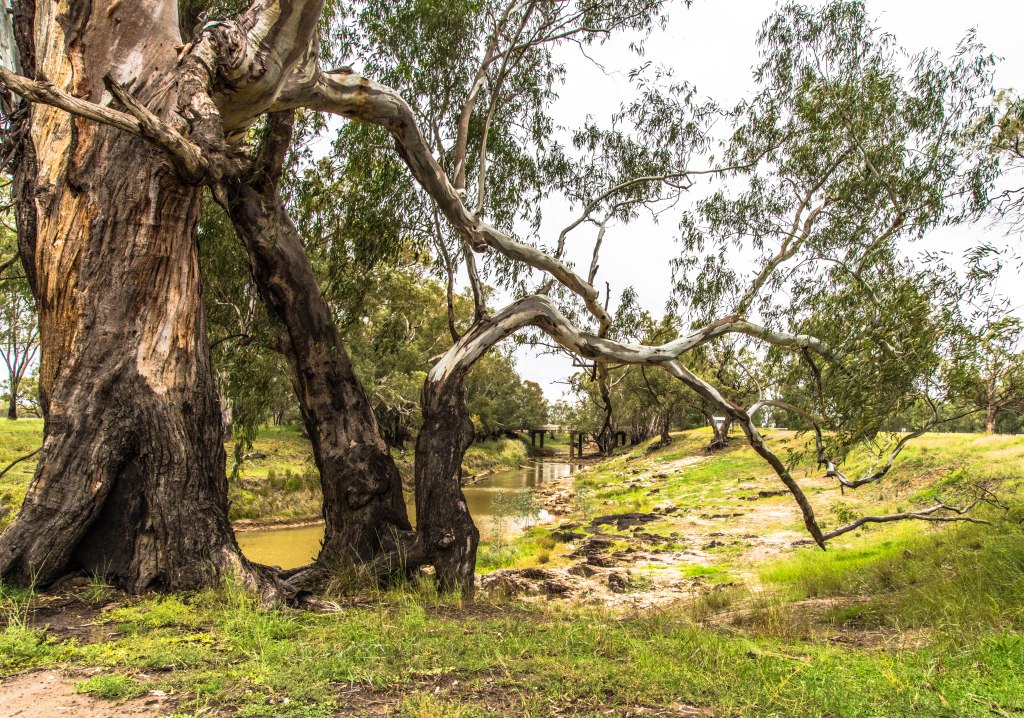
“The Hay area is virtually the “cradle of irrigation” on the Murrumbidgee River. Irrigated crops grown around the Hay area are maize, cotton, wheat, oats, barley, cereal rye, grain sorghum, sunflowers, soya beans, rapeseed, large seeds and legumes.”
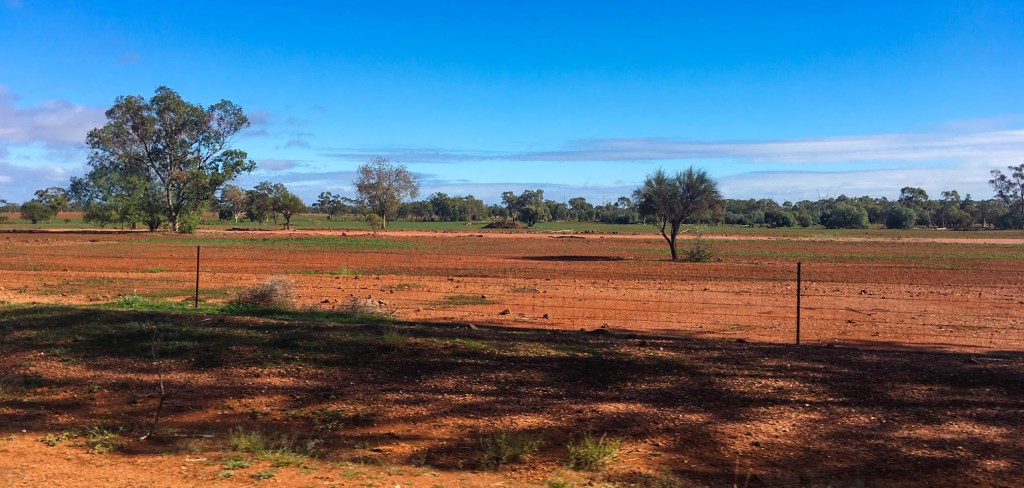
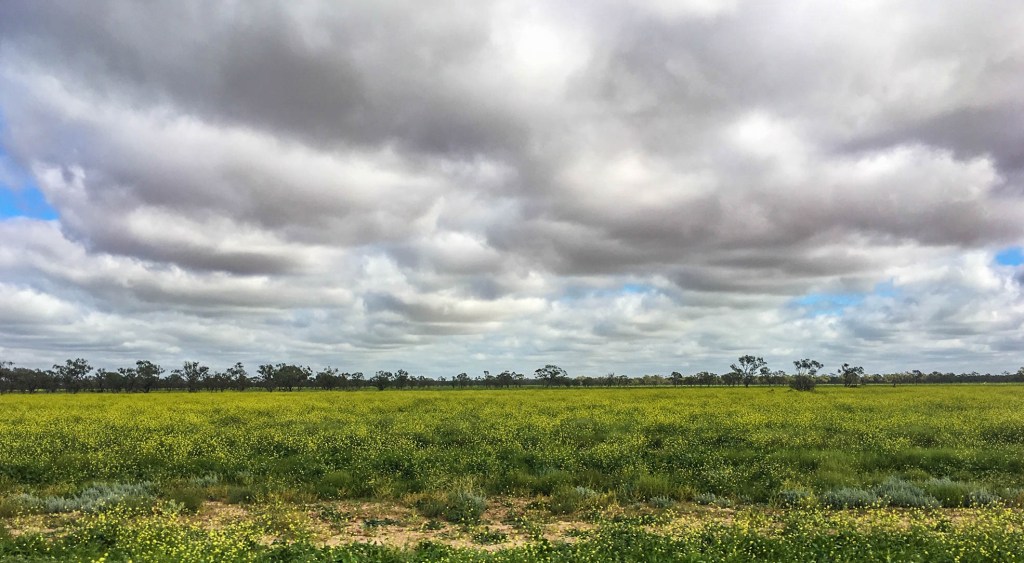
From Hillston to Cobar, along the Kidman Way (B87), the country varied changing from the broadacre lands to pastoral and then mining. The paddocks here were also massive in size and seemed to go on forever, with the pastoral land used for grazing, cattle sheep and goats.
Approximately 60kms south of Cobar on the Kidman Way, the landscape changed to what a geologist might call ‘gold’ country the landscape demonstrating the potential of gold, silver and/or nickel beneath the surface. Much of it presented with the familiar bronzed look across the shale rocks, the typical black/purple/red small rocks on the surface that shimmered in the sun. The trees became stunted and sparse, all very familiar to us, reminding us of the landscape out north of Wiluna, WA where we once worked in mining.
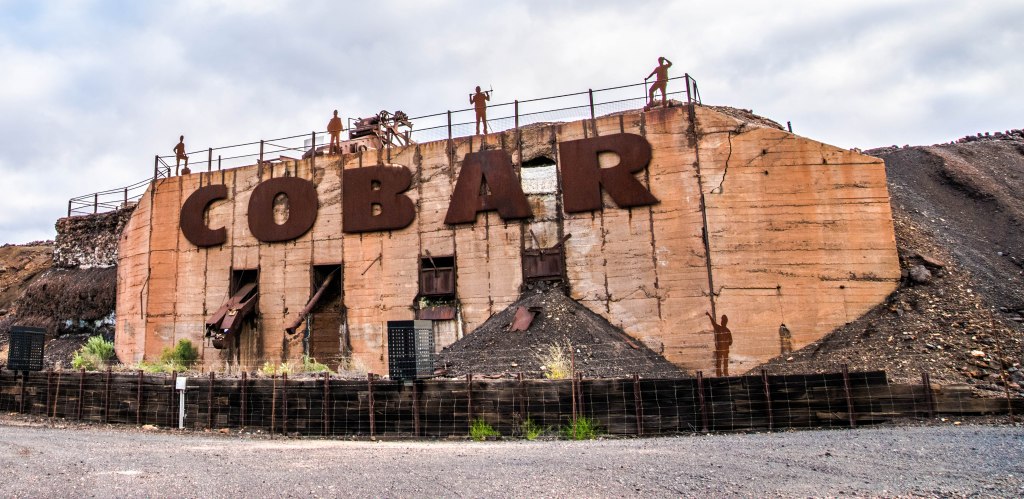
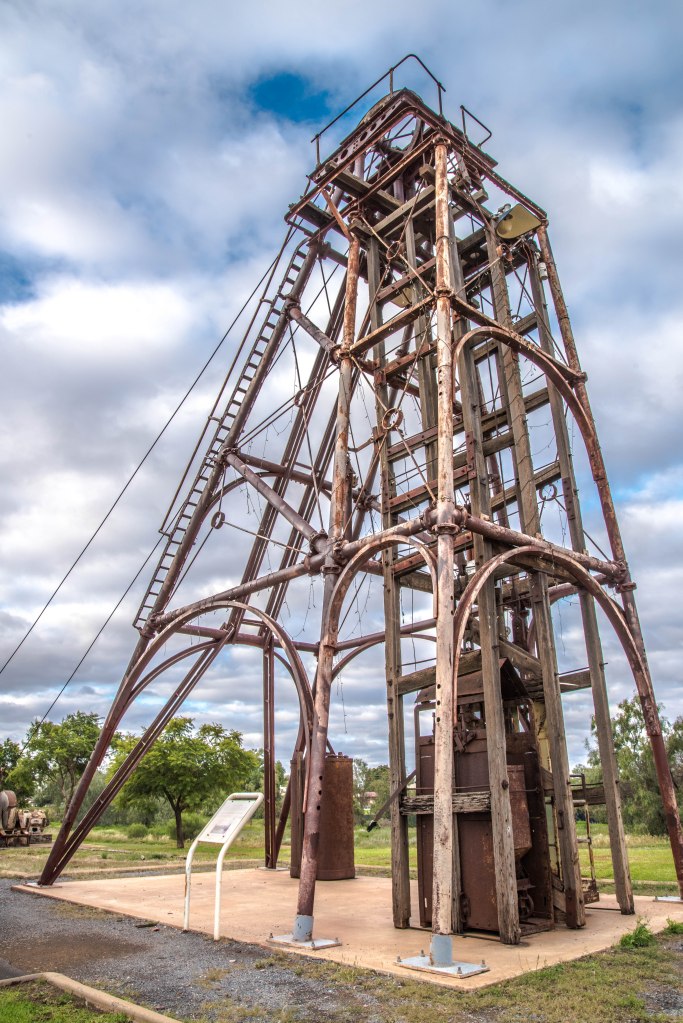
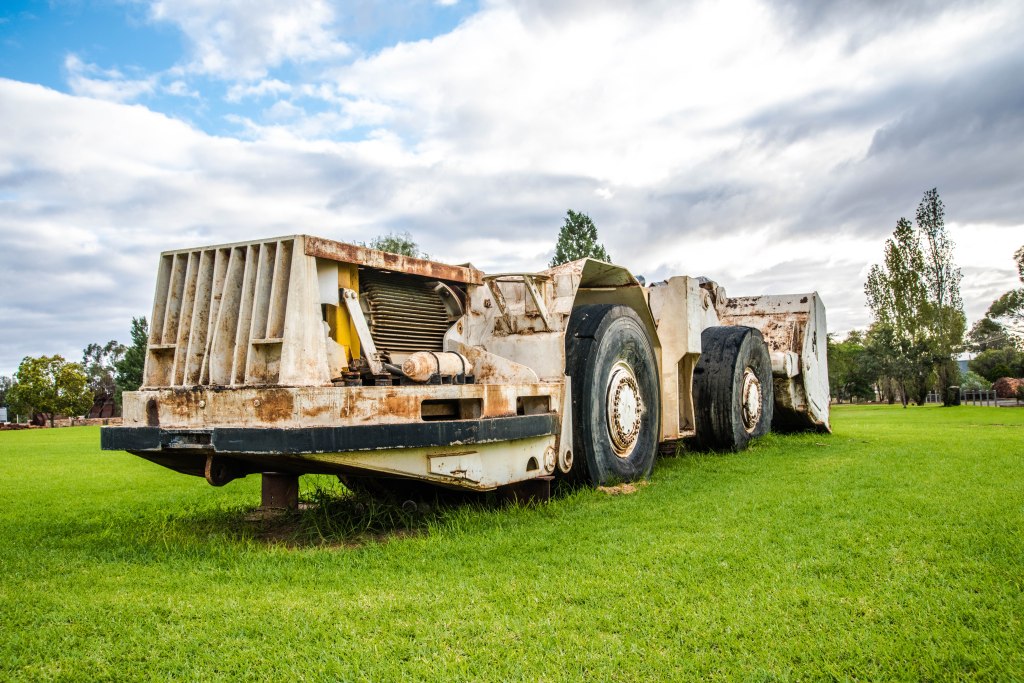
We arrive at Cobar to a rest stop with a massive monument to the mining industry and history of the region. We needed to refuel the Ute and also ourselves and take a well deserved rest. This was the first stop we have made in any town along our travels, we both felt very comfortable in the area, having spent many years in the mining game. As with anyone who has lived, breathed and worked the land and experienced the lifestyle that you come to love, it gets into your heart and the feeling of contentment is in your veins. Maybe too it is the wide open spaces, the fresh air, the freedom of peace and quiet, ah yes, rural or remote, it’s addictive, leaves you spellbound.
Our next stop was a mere 48kms east of Cobar – Florida Rest Area, complete with toilets but no water. The region has been through several years of drought and the access to water is extremely limited.
NSW: Hermidale-Coolabah-Brewarrina-Walgett-Lightning Ridge
We travel into pastoral country from our overnight camp to the border with a small amount of farmland in between. Brewarrina is on the banks of the Barwon River and its name is derived from ‘burru waranha’, a Weilwan name for a species of Acacia, Cassia tree, ‘Acacia clumps’, ‘a native standing’ or ‘place where wild gooseberry grows’.
One of the most interesting aspects of this small town in the fish traps that apparently stretch for half a kilometre along the Barwon River. Incredible and complex stone fish traps that date back over 40,000 years, used for thousands of years as a net across the river to catch fish. It was here that neighbouring Aboriginal peoples would come together for ceremonies and trade during the fishing season. Due to all tours being closed, this was another significant and interesting place we were unable to explore or experience.
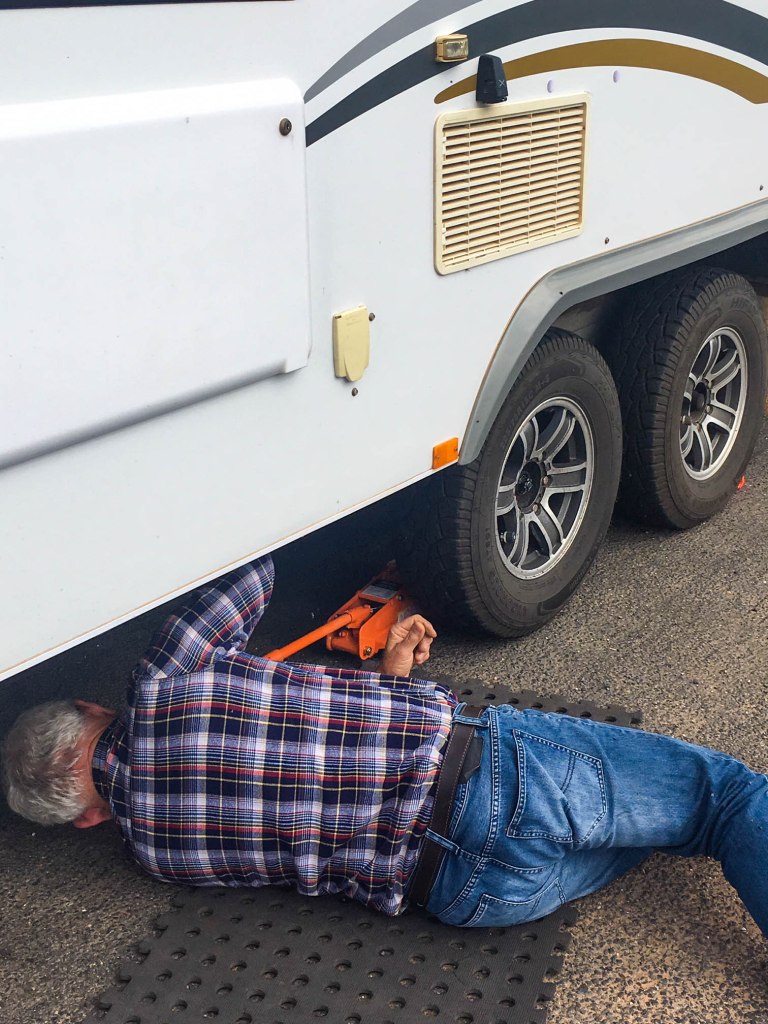
At a routine stop whilst checking everything we find one of the brakes on the caravan was as hot as hadies!! Bugger!!! Thinking it could be the bearings we are forced to limp the 80kms at 60kph into Walgett and hope and pray there is somewhere we can purchase grease, that is the correct grease for the job……yup, we had the spare bearings but no grease!! The most frustrating part was that a mobile Ute for tyres & mechanical repairs drove past!! No, he didn’t stop!! Oh yeah that’s right – we might have COVID!!
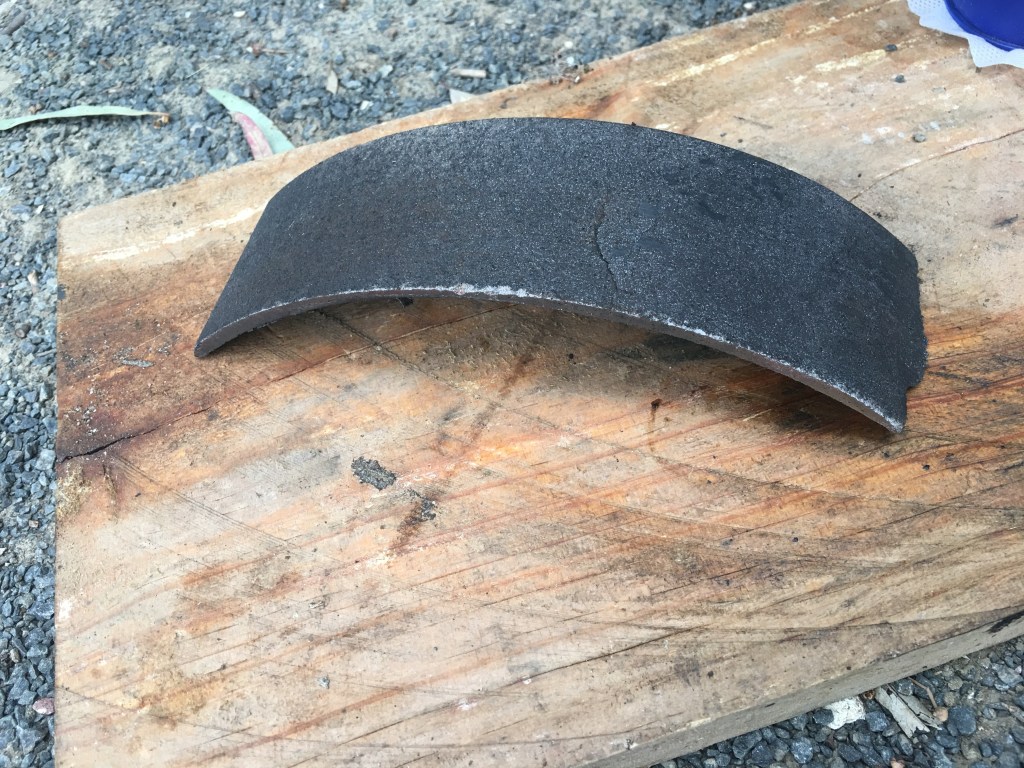
Grease purchased and now to check those bearings. Bearings off, nothing, all good?????? Pulling off the brake drum we find the brake pad had broken in two, the piece that broke off had been lose and caused the heat!!! Bugger!! We can however continue to drive, no issues, but we won’t be crossing the border tonight……bummer.
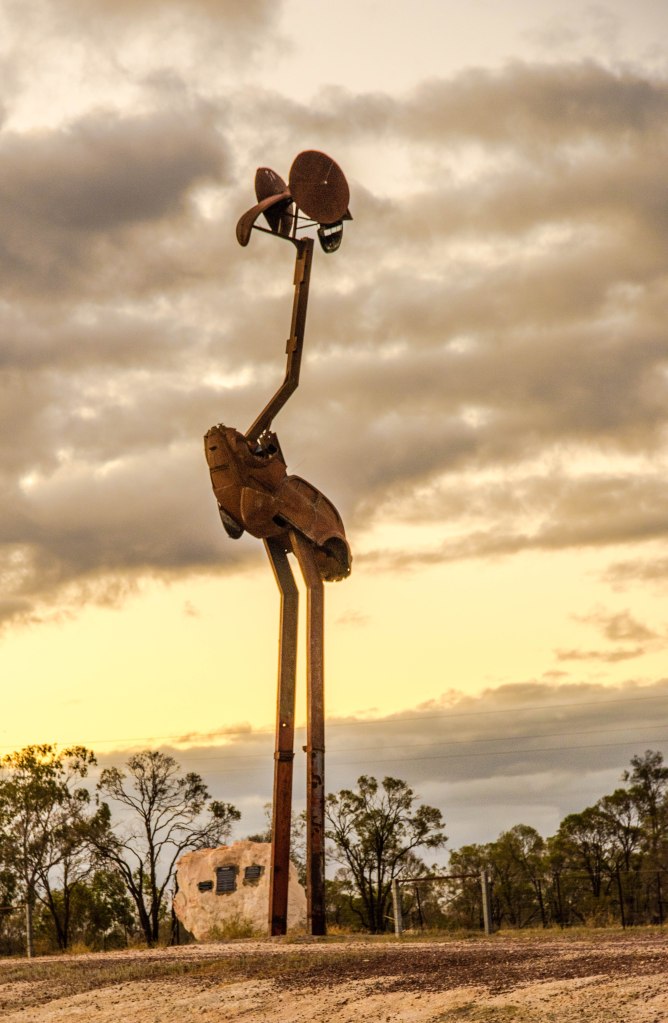
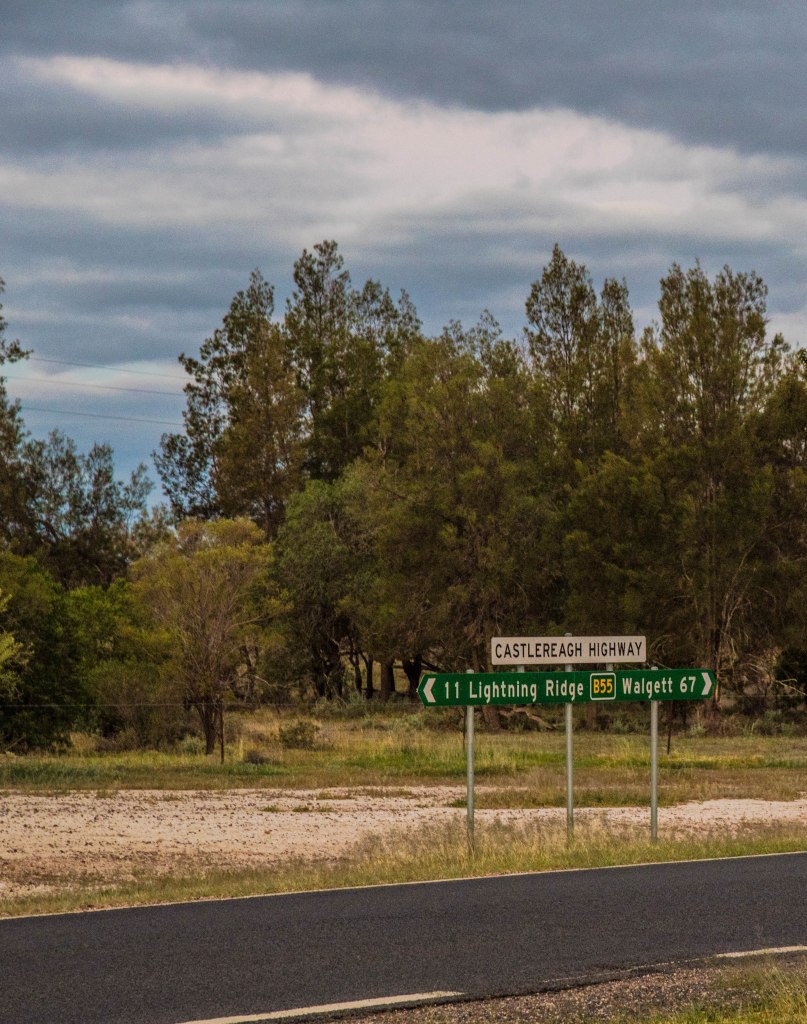
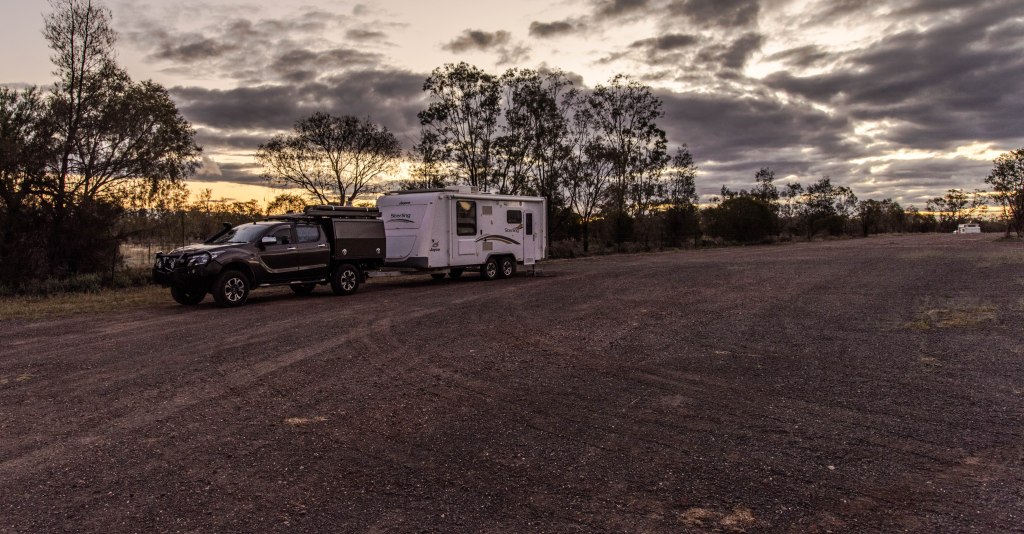
We were hoping to be able to camp at Lightning Ridge, but their caravan parks were also closed with COVID19 messages. Our last option was another road-side camp identified by Stanley the Emu near the entrance to Lightning Ridge!! Stanley the Emu is an 18m tall sculpture created by John Murray the talented artist from Lightning Ridge built out of scrap metal, three Volkswagen bodies and a pair of rusting satellite dishes. Brilliant!
Whilst we had finally solved the brake pad issue and the electric brakes were now working, our next issue was we are out of water in the van, only 10L of drinking water left. A top and tail bath it was!
 Travelling Falconers