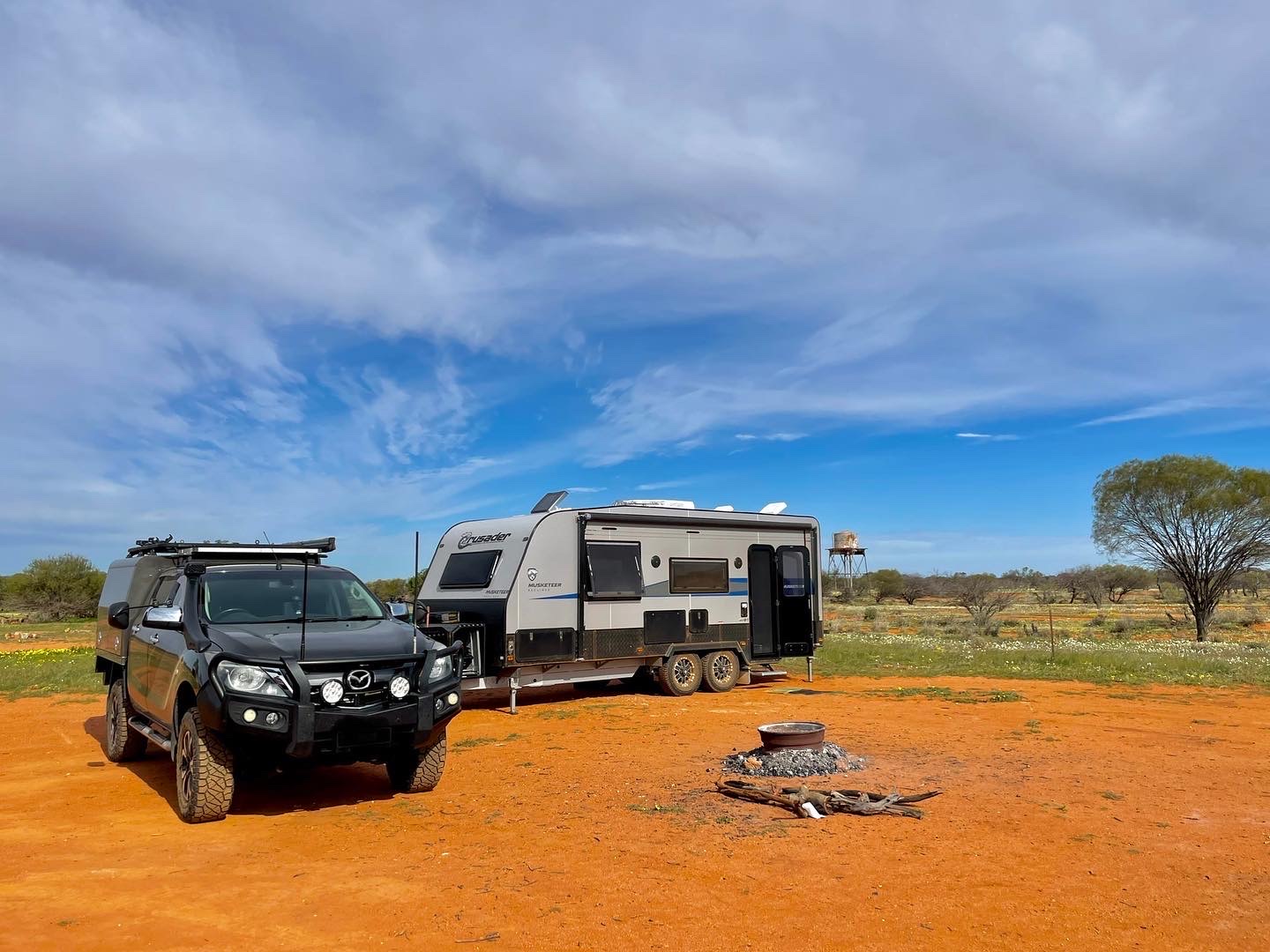


Living on the road full time is not for everyone. Many prefer to have a base to return to, others simply like to spend the summer with family then head off for the winter, and then there are those who just want to do the odd trip here and there when the mood takes them. Whoever you are and whatever your lifestyle is, you need to do what works for you.
For those of us who have chosen to be on the road full time, it is YOUR choice and no one else’s decision, so don’t be swayed by those who have insecurities that they choose to place onto you.
For us, our love of travel has always been with us. We have never had a strong desire for overseas travel, as much as it may appear to be wonderful, we are thoroughly enjoying this amazing country of Australia. So, for now, it’s all about Oz.
There were various reasons why we never embarked on this journey until after children had left home, however, we are glad we chose to do Australia and not OS especially as Covid hit only 18 months into our adventure. Fortunately, we were still able to continue to travel, despite the limitations.
This page is about helping you to navigate the logistics of full-time travel especially when issues pop up or those everyday requirements need your attention.
Preparing to do the Lap
Which way to go, clockwise or anticlockwise? Do you follow the sun? How much $$ will you need? How much work is out there? What if we don’t like it? What if something goes wrong? what about all our friends? And the list of questions keep on going. No-one can answer these but you, because it is YOUR journey and no one else’s.
Before you embark on your trip, regardless of the time frame you have, do your pros and cons, most importantly do a brainstorm asking ‘why’ you are doing this and to ensure both partners and the children are all on the same page. We took two years to plan and prepare and even then, we still didn’t get it all right. And that’s okay. You will learn as you go.
Remember though to sit down with your family and let them know your plans. Be transparent. We told our family we planned on initially 2 to 5 years, that they were welcome to fly and visit us and that we would fly home on occasions.
Transport and living arrangements

Caravan, motorhome, camper, roof top tent, truck, etc. There are so many options. The table below provides an idea of the pros and cons of each one. Use this as a start and add to it with your personal situation. If you choose to tow a caravan you then must consider your weights and compliance structures.
| Transport/Living | Pros | Cons |
| Caravan | able to unhitch everything in place Suitable to working (self contained) | towing capacity limited places to visit when towing |
| Motorhome Truck | everything in place no towing more places to access Great for short travel holidays | only form of transport |
| Camper Tent | able to unhitch 4WD capabilities | no security weather issues |
| Roof top tent/swag | 4WD capabilities | unable to travel when tent is up no security (swag) |
Annex – to have or not? Its a great question. If you have children or park up for extended periods then we believe it is a must but there are some key things to consider. The first is weight. A full annex will weigh in at around 30-40kg which will cut into your payload. There are lighter options using privacy screens which we do carry a couple and these are great for short stays or in warmer weather.
The key to the annex is to ensure you erect is correctly. That starts with the awning, if you get that wrong, the annex won’t sit correctly. In addition, it is important to tie it down correctly too. Most annexes can withstand winds up to 40-50kph, anything higher it has the potential to be damaged.
Weights

GVM – GCM – Tare – Kerb weights – payload – are you confused? There is a lot to consider.
Without a doubt this is the one issue all those who travel. Being conscious of your tow-tug and/or towed trailer weight is pivotal to the entire traveling process. It is even more detrimental to those who travel full time and even more so for those traveling with children as you need a lot more items.
Always buy the van first then purchase the tow tug to legally pull it. If you already have a tow tug, know your legal weights, towing capacity and limitations when you go to buy the caravan. The golden rule is not to confuse towing capacity with legal weight.
How do you keep your weight down? Great question and there are many choices out there. To start with if you are choosing a caravan, do your homework on vans with large payloads. Many of the older vans and those with single axles have a lower payload. There are vans that have high Tare weights. But let us not go into detail here when Ken Wilson has already covered this on his website Truck Friendly – Caravan Safety where he covers everything from choosing a caravan, traveling with a caravan and weights. Pop on over to his website and the facebook page to learn more. As a truck driver and caravan owner, he knows his compliance requirements.
Full-time, short journey’s or a one-off Trip
Full time is easy to plan. Short journey’s and one off trips are a little harder to coordinate logistically. Determining where to go, what to see, how far to travel in a day are all financially and time dependent.
To do the lap, especially with children, and to do it justice, should be a timeframe of between 10-12 months minimum. You need to stick to your plan strictly or be prepared to swap out something if as you travel you discover something that is more interesting. All plans must be flexible to enable these changes.
We have done a lot of short trips of between 3 and 5 weeks with three young children. Those trips were very structured and planned down to the last minute. We didn’t have the flexibility to change our plans at any point but they were some of the most memorable trips we did. When you plan long journey’s in a short timeframe you will do a lot of white line traveling and it will limit your time in beautiful places.
Following the sun. The positive is that you will mostly have good weather and you will need less clothing, however in today’s climate you will be fighting for spots in camp spots, paid and free. Booking ahead will be crucial in high peak holiday periods and locations. Plus, you will find the roads very busy if sticking to the coast. Travelling in these beautiful coastal locations is best done on the should of the season when the majority have moved south or north. Personally, we try not to follow the sun unless we have planned work with accommodation arranged.
What clothing to pack? Clothing should be only what you would need to pack for a holiday. around 15-20kg max plus shoes and personal items. If on a short trip, it is very easy, but for those of us full time travelers, it can be a little more difficult, especially if you have work clothing to carry too. If you are a size 14 or less, the op shops will be your best friend. If you don’t mind Nana clothes (as my daughter calls them), then there will be plenty of choices in the larger sizes.
We suggest one good jacket/coat for cold weather, one good outfit (for special occasions), a vest for in between days, T shirts, tops, shorts, jeans, and for the ladies if you enjoy skirts and dresses, then by all means include them. We have a simple rule to keep clothing quantities down, when you buy something new, find what you don’t need or wear and hand to a charity shop. We do weed out/tidy-up every season and donate to charity.
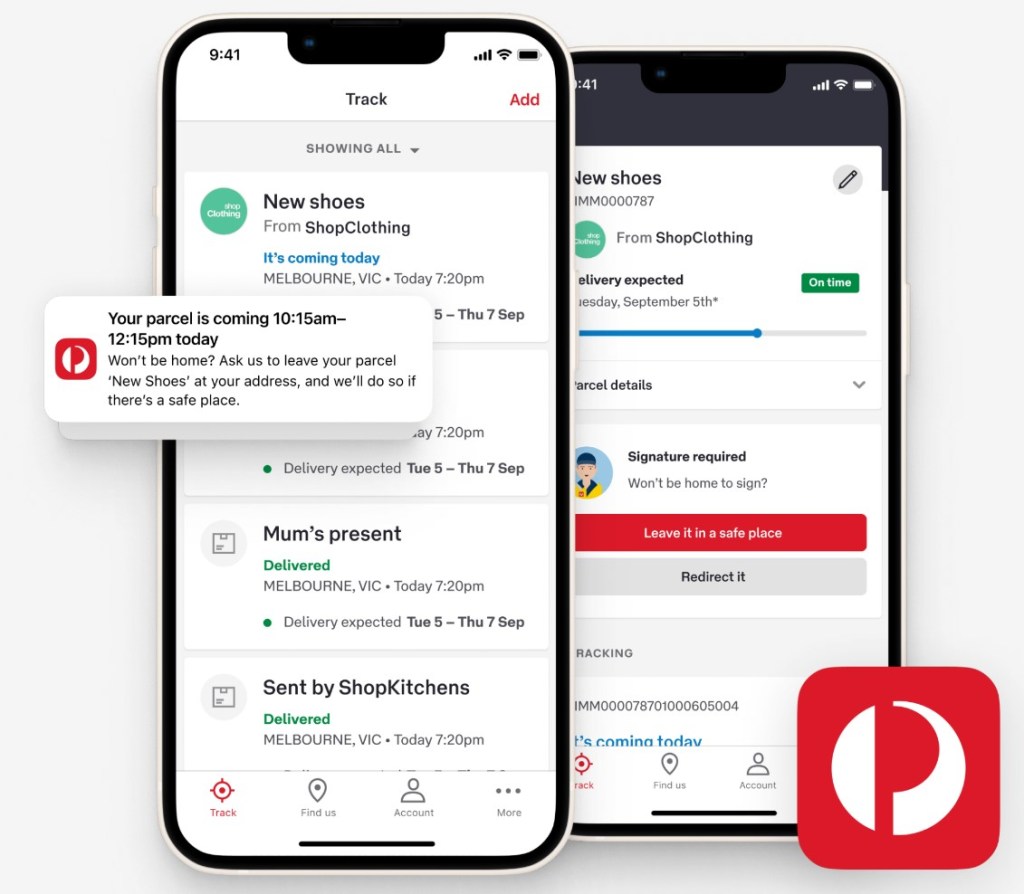
This is one of the easiest things to arrange. All you need is an email address, online banking setup and a base address. As mentioned in the ‘licenses’ section below, use a trusted family member or friend as your base. The Government departments are the last to come on board with electronic monitoring and communications, but slowly they are recognizing there are legitimate travelers who don’t have a home base.
If you don’t have an email address, the best and easiest one to use is a Gmail account, simply follow the instructions online or find a helpful technical friend to do it for you. Have all your services, mail and information emailed to you which will ensure you are able to pay any accounts immediately.
You will need to have a transient address too. That will be needed for having online shopping, parcels from family and other items posted to you. We use Australia Post’s Parcel collect function. Download the Aust Post app, then setup your Parcel Collect account. Once you have the account in place you simply follow the prompts to change the post office where you need your online items posted to.
When you get to the location where your parcel is, if you are staying for a while, introduce yourself and let them know you will be around and will be receiving some mail.
The Family Home
Choosing to keep or sell the family home is again another personal choice. This is one of the biggest questions that is asked by those contemplating the travel journey. We cannot advise what is best for your situation as it is very personal. But please remember, if you do choose to rent it out, do your homework and talk to others, accept the pros and cons of it all. Most importantly, talk with a trusted agent who can and will give you the good and the bad of renting.
Also talk with your accountant as to your legal and financial position regarding renting. Always have a backup plan, don’t put yourself into a compromising position, but remember you still have a caravan and can pull up in a caravan park or on a property and live in that until you rearrange everything should your circumstances change.
We opted to rent first, then returned two years later and sold the property. Now our home is our caravan. Australia is there to explore, work and live as we travel. We don’t focus on the “what if’s”, but we do have a basic plan should anything should go awry. Life is too short to sweat the small stuff!!!
Family

As grandparents of five beautiful grandies it always tugs at the heart strings to return home. However, we are on this journey whilst we are fit and able, so in the interim we FaceTime and call regularly plus stay connected on Facebook, Instagram and we have a family Messenger group. Bron loves to sew and crochet, so she is regularly making things for the grandies and they just love it. Ian would prefer to be in the shed making constructive things for them but as they cannot be posted, we leave that for when we go home!
We fly home regularly if we are not driving back ‘home’. Being from Western Australia, it is a long way back to our home state, so we try hard to plan to drive back or fly home annually.
Everyone’s needs are different, but what is important is to maintain that level of communication to ensure everyone knows they are loved and cared for. Postage has become quite expensive, but the grandies just love receiving parcels in the post, so we take the postage costs into consideration.
Medical
Keeping healthy is an important factor regardless of your age. We try to see a Doctor or do a telehealth appointment every six months.
One issue we have discovered since Covid is the lack of Doctors taking on new patients or even allowing travelers a one off visit. This has caused a great deal of grief for us, which has made coordinating our health and medical needs problematic.
We have always been able to contact a Doctor in the town we are working in and have never had a problem. With all your details located electronically online, it is very easy to obtain your details and to obtain tests or prescriptions. However, some towns and health centres are not accepting appointments, so ensure you make these arrangements with your own Doctor prior to leaving on your trip.
Scripts can be provided by your Doctor giving you access to 6 months worth off one script. Talk to your Doctor about this.
Should you need tests, even blood tests, these can be easily provided by your personal Doctor then simply attend a pathology centre and the results are emailed to your Doctor.
We do recommended most tests to be completed at a major rural town or city for your best chance of getting in easily.
Licenses
Motor driver’s licenses (MDL) are now only available for one year or five years. Where possible, obtain the five year license. Set your license up in your home state (regardless of whether you have a home or not). Use a trusted family member or friend to use as a base. Ask them if they are prepared to be your secure home address and Next of Kin. This is the address you will need to use for your driver’s license. It is the safest method than changing your details as you travel. By using a base address, should anything go awry, and it can, the authorities are able to go to this address and have a contact person to complete their requirements with.
If you do need to renew it whilst on the road, you do NOT need to return to the state of origin. Simply pay online or at any Australian Post Office.
License Photo
If you need a new photo, that too can be obtained at Australia Post. It must be one that has the camera facility. They will email the electronic photo to you so you can then forward to the relevant state licensing Department.
The same applies if you need a photo for any other type of license, be that a high risk work license, passports, NPC, WWC, or any other proof of identity.
Other Legal Requirements
National Police Clearance (NPC), Working with Children (WWC) or other licenses requiring renewal can all be done easily online. When obtaining these initially, ensure you set up via an electronic process so it is easy to renew. Many NPCs and WWC are needed to be less than three months old.
Finances
Before you leave, you must advise your accountant and/or bank manager of your intentions and to discuss any legal financial issues. This area is very personal and cannot be advised without knowing your personal issues.
Most accountants accept emailed information for end of year tax or even the BAS. Ensure you have all this set up prior to leaving. If you are using an ABN whilst you travel for work, discuss this with your accountant to identify what you can claim and the best options for your business. If only working for a wage, understand what you can and cannot claim.
If you use a financial advisor, you must also discuss your plans with them too.
Maintenance – Vehicle and Van
Whether you still have a house or not, there is always maintenance and caravans are no exception. The following is a list of important things to be done:
- Caravan servicing- this should be done at least every 10,000km or every 6 months. There are plenty of caravan servicing places across Australia, usually located in major towns or cities. Unless you need to do your first few services of a new van through a dealer, then general maintenance can be completed either yourself or a caravan service business. The most important maintenance point is the brakes, bearings and electrics. There are many other boxes to tick which are provided by the dealer or service technician.
- Tyres – for on-road caravans travelling on sealed surfaces, general small truck tyres are fine. If semi or fully off-road, truck tyres with some level of side wall protection will be needed. Tyres must be changed out after 5yo whether worn or not. The rubber deteriorates especially when the caravan is parked in the sun or is subject to variable conditions including temperature, road surfaces, etc.
- Plumbing – cleaning out the plumbing is vital to ensure your van is healthy and not harboring disease, fungus or other nasties. Caravan plumbing is either plastic, PVC or poly which can harbor all types of nasties. Then there is the tanks, both fresh water and grey water tanks must be cleaned. From the sink to the tanks and out the sullage hose, all can be cleaned and there are a lot of choices on the market.
- External van washing – use recommended detergents for your van exterior. We use Outback RV Wash for all exterior surfaces. We also make up a watered-down mix in a spray bottle to use on spot cleaning. NEVER use a high-pressure cleaner on the smooth sided caravan exterior, only use underneath or on your tow tug, but always from a distance to prevent damage.
- Tow-Tug servicing – firstly we need to advise that if you have a new tow-tug you are not obligated to have the vehicle serviced at the dealer service departments. When traveling this can be a little problematic, so asking for recommendations on a trusted Facebook group is often a good idea. We have only had a couple of dealer who have proven to be difficult to deal with, in general we have found some great service businesses. Recently we have found a great diesel specialist in Adelaide where we have had the last service done. This enables us to use this business on our return to SA which we have decided to use as a base now.
General maintenance – in addition to the general service, the following are a guide, there are many more.
- Chassis – check for fracturing of the welds, cracks in the chassis, distortion, changes that could lead to further issues.
- Wiring – check all wiring, cover any exposed wires where previous tape has worn. Particularly check the main connections to the tow tug including Anderson plugs, 12 pin plugs, etc.
- Body integrity – cracks, distortion, discolouring, bowing, etc.
- Lights – these should be checked before leaving every camp spot.
If you have a new van, ensure you report all changes, issues, or concerning points directly to your dealer if still in the warranty period. It is highly recommended that all warranty issues are raised immediately with your dealer and not advertised on social media where you will get a plethora of information, not all accurate.
 Travelling Falconers