The work we undertake is primarily focused on the agriculture and mining sectors. Our skill set is diverse making it possible for us to tackle a wide range of positions. Rural and remote communities and businesses find it difficult to obtain the casual and itinerant workers they so desperately need, so we are here to fill that void.

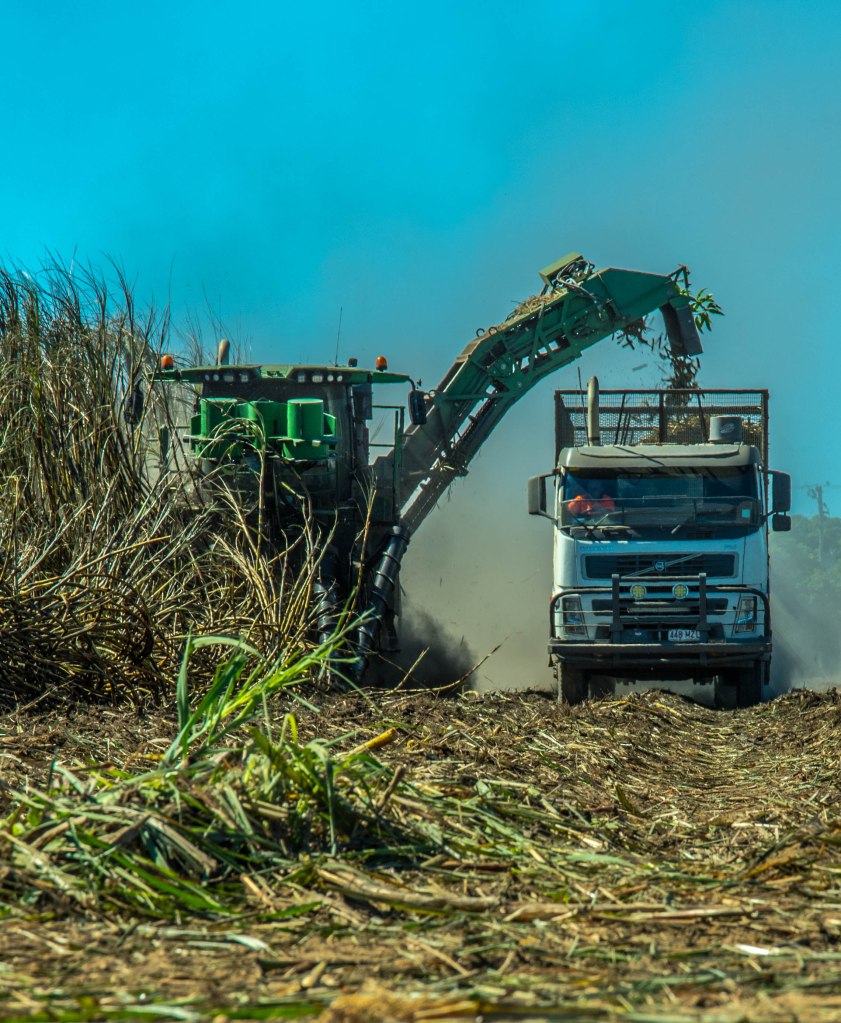
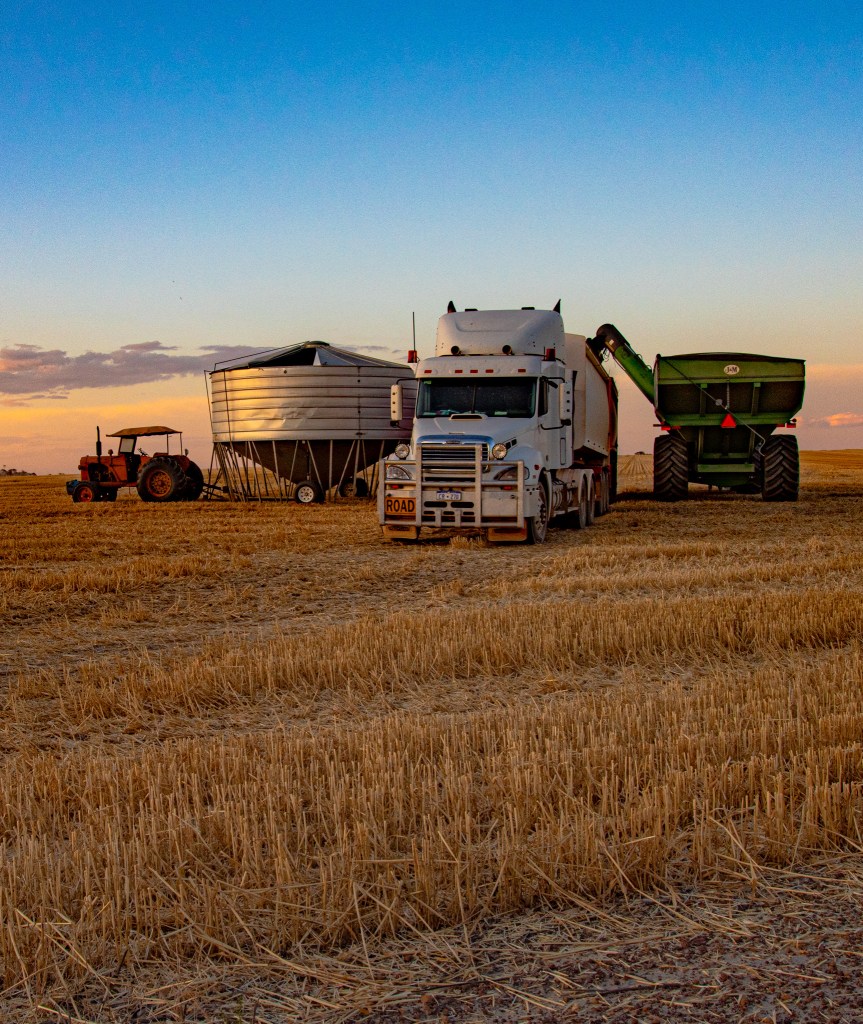
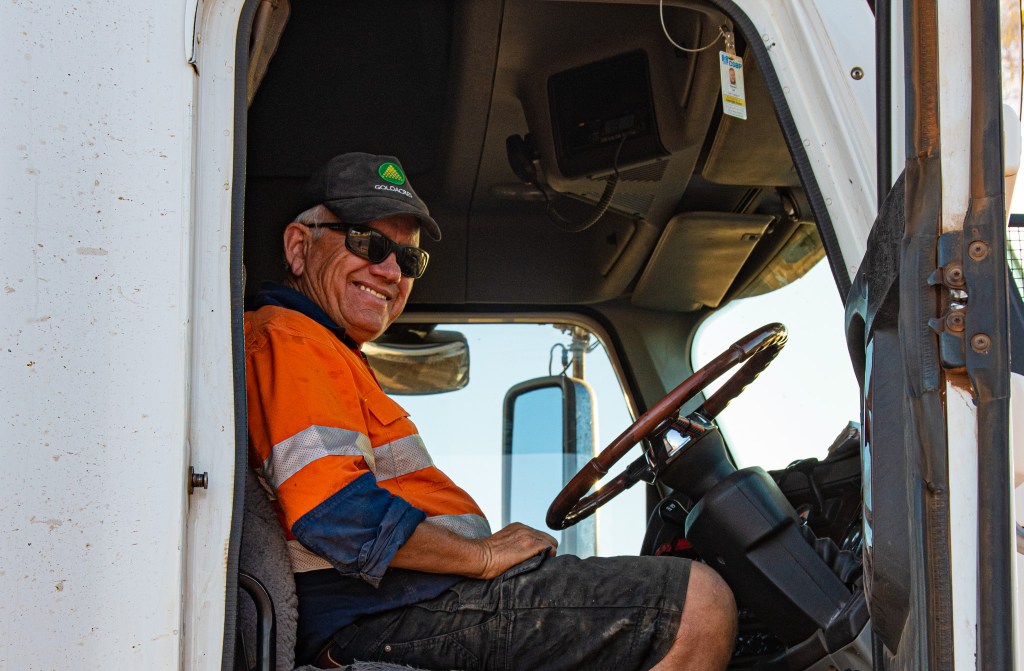


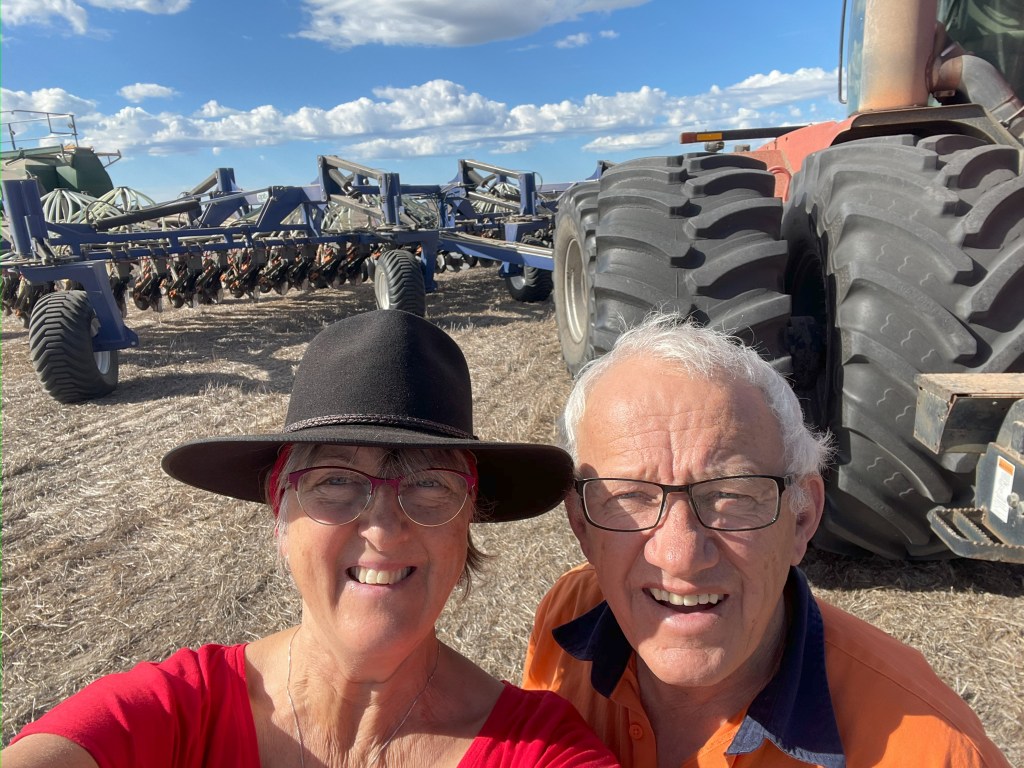


From sugar cane haul out, grain seeding and harvesting, working with cattle and health and safety, combined we have a wide range of skills to tackle most jobs.
Our Story
We have been working on the road for over four years. Our shortest stint was five weeks, our longest seven months. We had set a goal for five years of travel, picking up work as we go, but Covid changed our plans but didn’t stop our travels, it was a matter of going to Plan B instead. We are now entering our fifth year with no plans to stop, we have decided to continue as we haven’t finished our original plan.
We have done work in the construction (civil), agriculture, transport, tourism, mining, industries since we have started travelling.
Fortunately, Ian had an MC truck license and had worked in the mining, agriculture and freight industry. His first job on the road was carting bitumen from Perth to Karratha, it required a dangerous good license (which he had as he had previously carted ANFO). The job based in Karratha required him to work in the Pilbara and Kimberleys and to operate road building equipment. Such a fantastic experience. Bronwyn continued to work remotely for her previous employer whilst living in the Pilbara.
Ian’s next job was driving tourist buses in Broome and Bronwyn worked at the caravan park in reception. We lived there for five months before moving on. The advantage of working in tourism is the ‘famils’. The opportunity to do the tours so you are able to promote and sell the tours to the tourists.
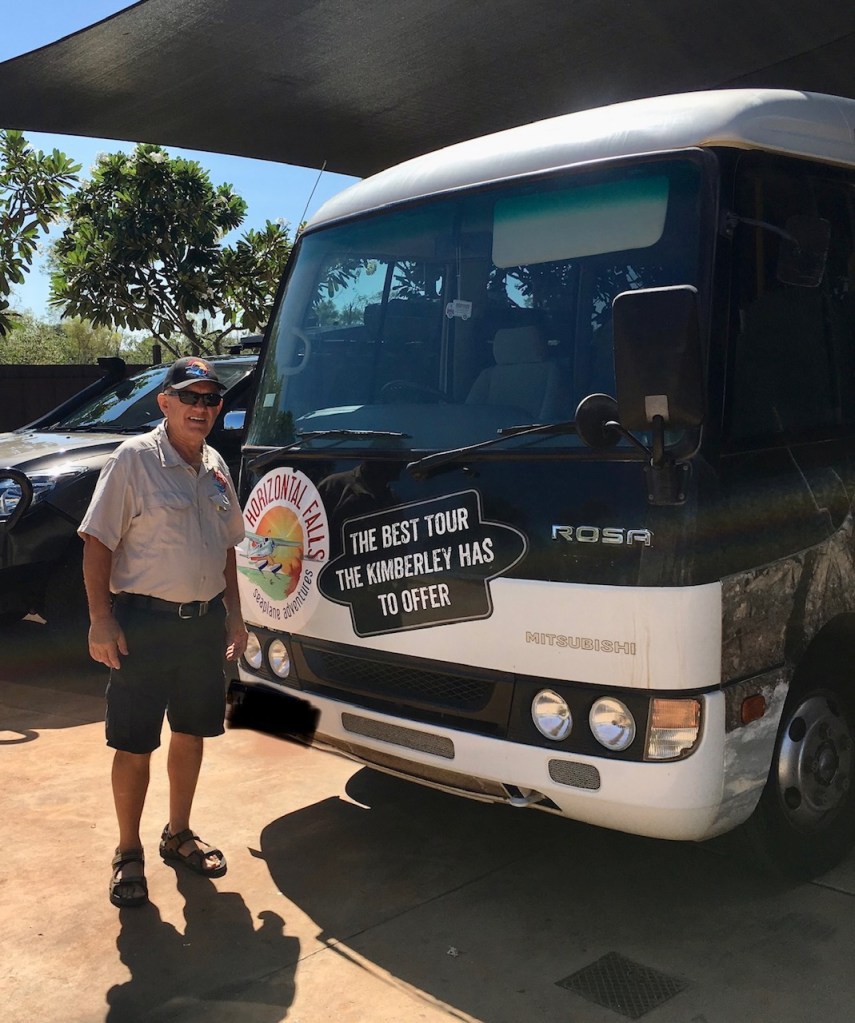
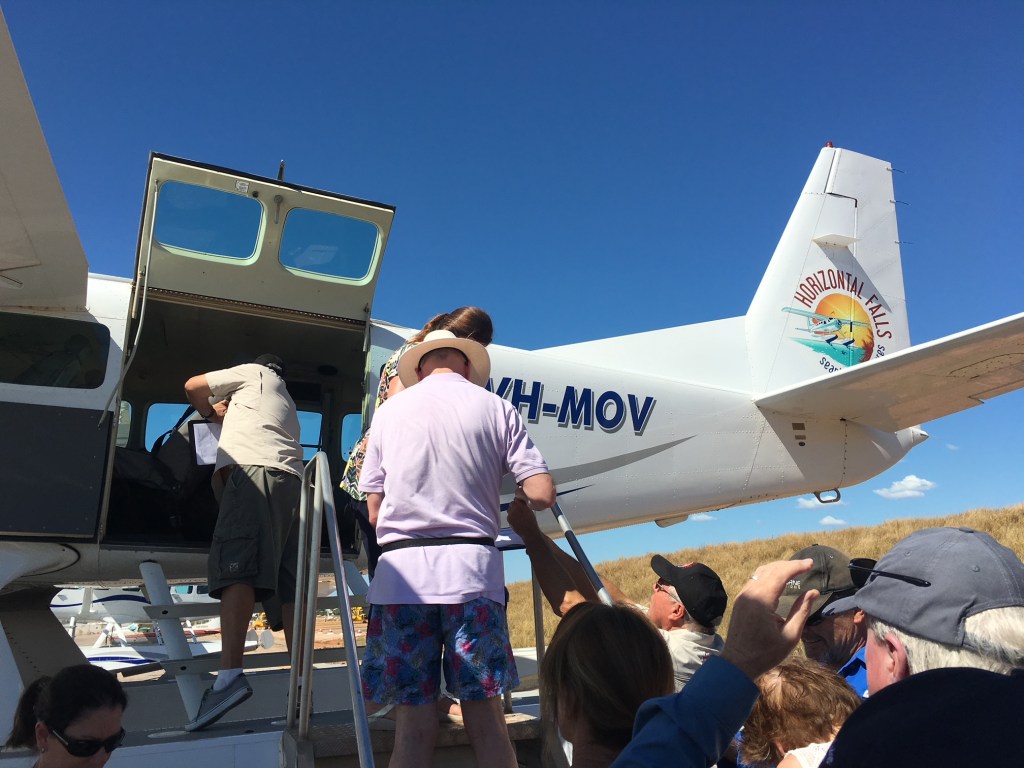

Bus driver – collecting tourists and assiting them to get on the caravans (planes) to fly to the Horizontal Falls.
We then took the next two and a half months off, enjoying travelling the Kimberleys, Alice Springs and then down to South Australia.
The next position was on the Yorke Peninsula, Ian carted grain for a farmer whilst Bron helped out in the office. This job was shortened due to the poorest season they had experienced, so four weeks later we were moving on again. We picked up a great truck driving position for Ian in the SE of SA carting potatoes and onions. This was where Covid hit us all and as a result of our position and circumstances, and being from WA, we were locked out of our own state and home. But the caravan park where we were parked for the work remained open for the workers so we remained there until the end of April.
Our next position was in NQld doing the sugar cane haul-out, Ian only needed a HR license but the position was six months. With Covid hanging around we decided to stay put and enjoy the environment. Bronwyn was unable to get any work due to Covid. After this job and due to no flights within Australia, we chose to drive back to WA via NT & SA.
Once back in WA, Ian went back to his previous truck driving job, Bronwyn was still out of work. We spent the next two years in WA doing a grain seeding and cook work, harvesting and house help, trade assistance for a agriculture equipment company and mining (Bron).

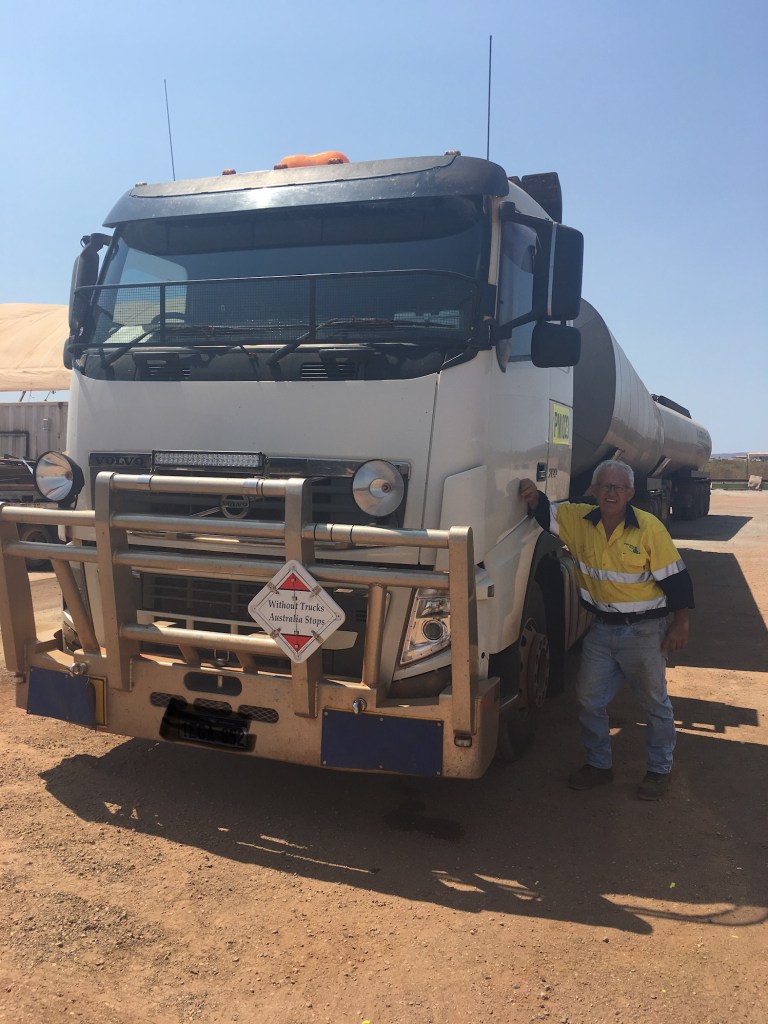
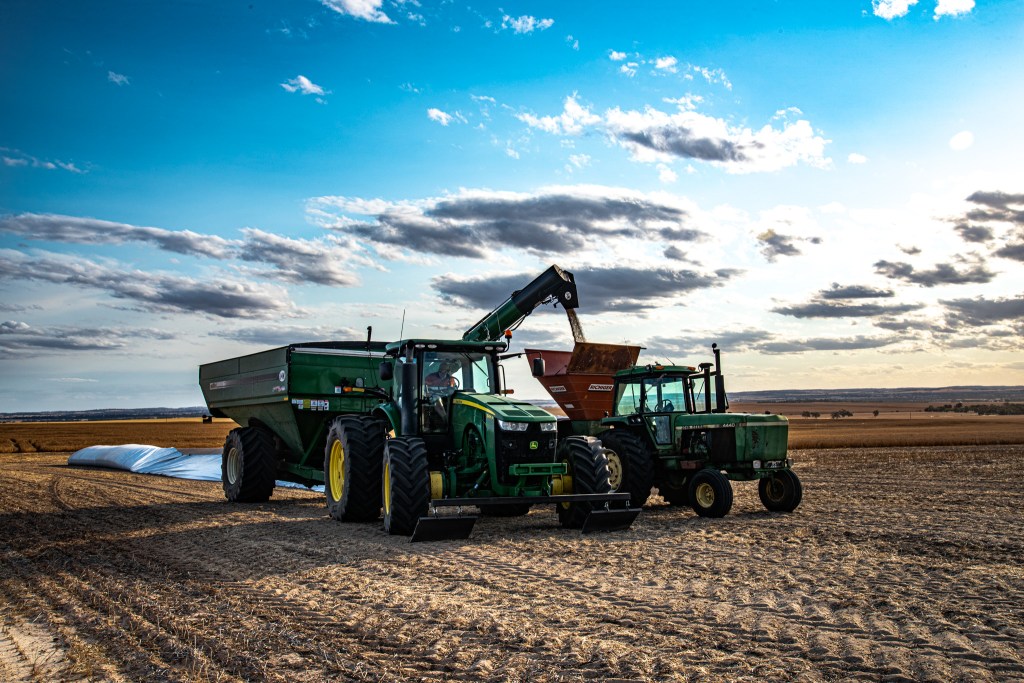
L-R: Carting grain, Dangerous Goods cartage, Chaser-bin driver for harvest
We headed back to the east coast in early 2023 with a job lined up in northern Victoria in the agriculture industry. This was only for 6 weeks but helped to top up the savings. It’s what you learn whilst in the job that is important. Our next job is in central Victoria with a harvesting contractor, so the job will take us into southern NSW for 6-8 weeks, then back to southern Victoria for another 6-8 weeks.
What we have learnt is to plan ahead, know where the next job will be and plan towards it. Trying to find work for one partner is easier than trying to get work for both. Be flexible in time and location, ‘linga longer’ enables you to enjoy the local area, park up on property reduces expenses, expanding your experiences adds to your skill set.


EMPLOYERS NEEDING WORKERS (Australia only)
Are you an employer looking for suitable personnel to fill that casual position in your business? Are you wanting good, honest, credible, reliable, Australians with experience and business acumen? Are you a farmer who is chasing workers who understand farming?
Then check out our list of skills below and if you think we would be a good fit for your business, get in contact with us via our Instagram page @traveling_falconers Upon request we can email through our resume. We prefer work of 2-5 months in duration, but if you have less time then we can discuss that too.
Ian – Truck Driver, Equipment operator, Bus driver, ex-farmer. Experienced, conscientious worker with a wide variety of skills and competencies that can be transferred to any position including handyman, metal fabrication skills, MC truck driver, operation of any farming or construction equipment; honest, reliable, and autonomous self-starter with a sound WHS knowledge. Understand business values and requirements from operating own businesses. Fit, competent and able to undertake new challenges.
Bron – Extensive experience in a wide variety of skills & attributes, all skills transferrable and adaptable to any role/position, able to undertake anything. Professional HSEQ Consultant for agriculture and mining sectors. Owned and operated own businesses, worked in a variety of industries resulting in a wide range of competencies. Looking for work in any field within competencies but also prepared to try new things.
Tips for Working on the Road…..
Many people ask ‘how do you find work whilst on the road’? There are many ways to find work and it really depends on the type of person you are and the type of work you are looking for. It depends on how competent you are with smart phones, Facebook, etc., or whether you prefer to have a chat, read the paper or noticeboards. It also depends on whether you are wanting work in the same place as a couple or if only one of you gets the work.
Okay you can walk into the local pub, store or on the street and ask what work is around. But the first question you will get back is ‘so what can you do?’ or ‘what type of work are you looking for?’ Before you embark on such a mission you need to know how to answer the questions you are likely to be asked and to provide a pitch that describes you effectively.

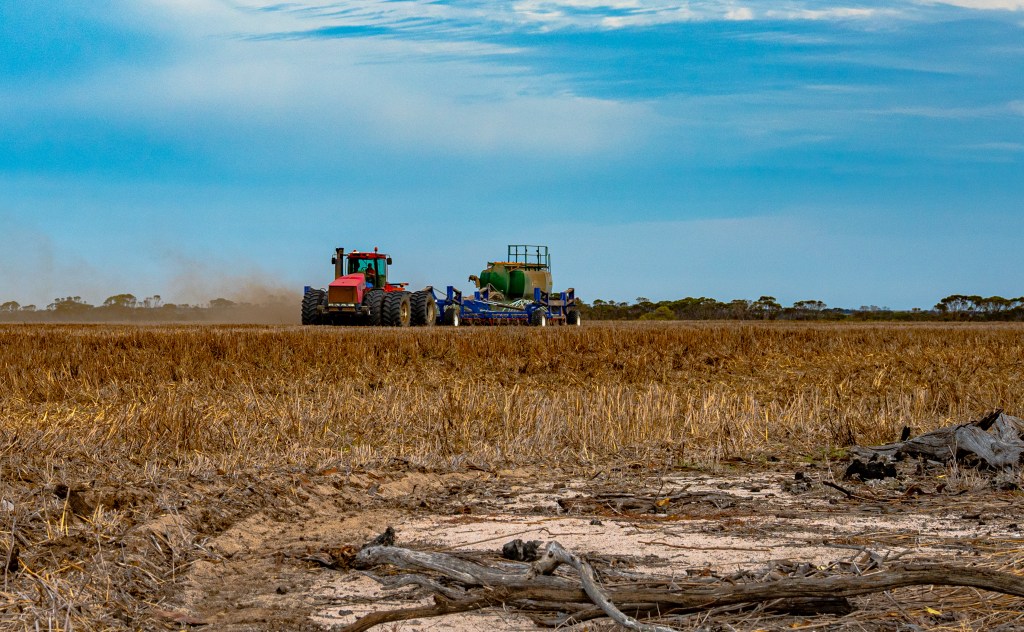
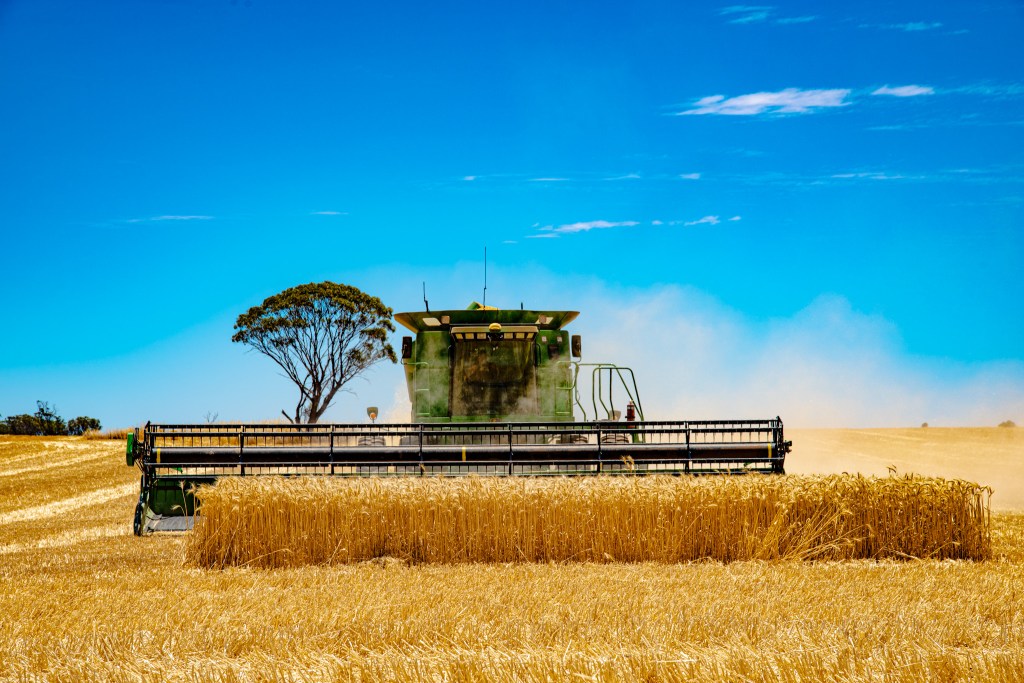
L-R: Sugar cane harvest-haul-out driver, seeding grain; header operator grain harvest.
Work timeframes
You may think you will be able to simply pick up a few days or weeks here and there as you go, and there are some jobs around like that, but in general most work will be 4-6 weeks minimum.
Seasonal work can be anything from 6 weeks to 6 months, so be prepared to linger longer. Hoping to only do a few weeks then leave a job before it has finished is completely unacceptable and disrespectful to the employer. When you leave early, you are creating negativity and a bad word for other itinerant workers. In any industry word travels fast, so you might think you can drift from one job to another, but once word gets around, it will be difficult to get work in the region.
If you are embarking on a trip around Oz for 12 months or less, don’t consider working as you go, ensure you have enough money in savings and just go and enjoy the year off. The advantages of working as you travel is to top up the travel expenses, less impact on your savings account and being able to pay for some of those fantastic experiences. If you can afford to travel without working we wish you the very best of luck.
I’ll break the processes you need to put into place down into sections. Not everyone will need to follow every step, but the basics are there to guide you to make the right decisions. As you travel and work, you will soon learn how the seasonal and casual work operates.


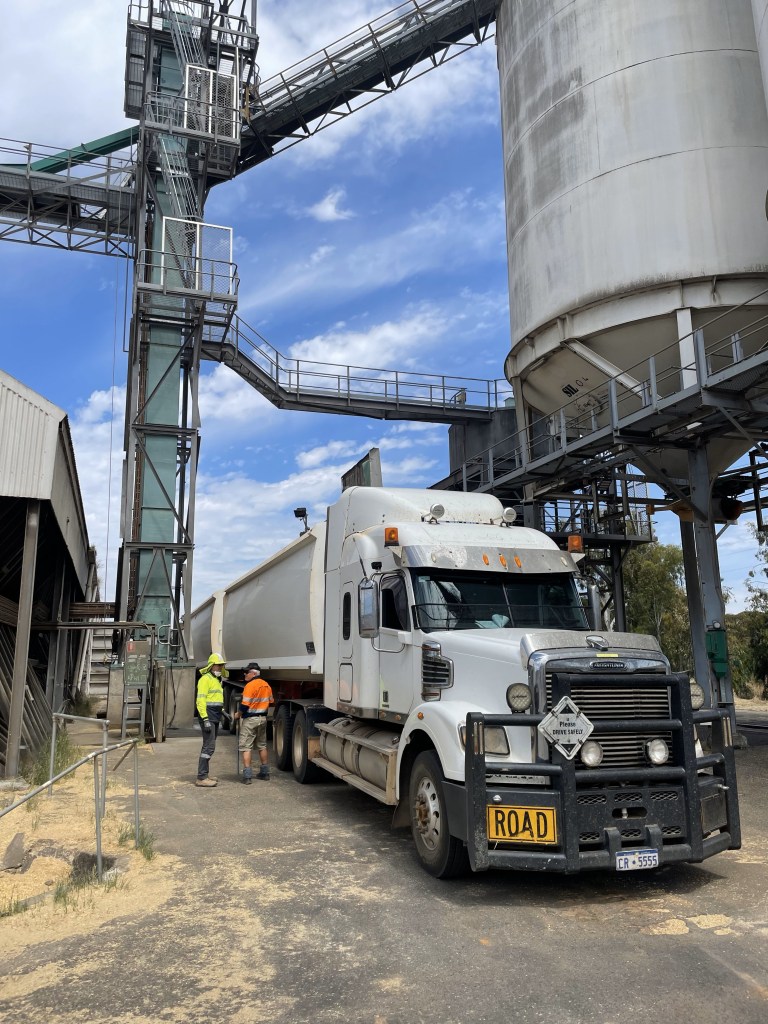
Stock work requires experience, patience and a strong understanding of animal behaviour. Working at the local grain receival points is physically challenging but a great job.
Preparing to get work
Before you start looking for a job you need to put the following into place:
- Skills
- Licenses
- Resume
- Authorisations
- Accommodation
Working as you travel needs a different mindset to your previous work where you are in one location. Casual and itinerant worker jobs won’t be found on SEEK, Indeed, etc. The best location to find such jobs is on Facebook groups and community pages and some specialised websites. More on where to look later.
So how does one prepare for their work on the road?
Skills, Attributes, Licenses/Authorities
First you need to ascertain your skills, attributes, licenses, authorities, etc. Firstly, take an A4 piece of paper and across the page write all the jobs/positions you have held for more than 6 months, then underneath these jobs write the skills you needed to do that job. Draw a line underneath the skills and write the attributes, then the licenses and authorities needed (Drivers license, police clearance, etc). Below is an explanation of each of the above.
Skills – what you have learnt from your positions. The ability to do a task or job well. Skills are transferable, by that what you may have done in a one job is easily transferred to other roles. Therefore, don’t say you are an accountant, you only need to state your skills e.g., financial management, assessment and analysis, accounts, bookkeeping.
For an administrator your skills might be – multi tasking, data entry, coordinating, customer service, team player, computer literate. For an equipment operator – maintenance, autonomous worker, able to concentrate for long hours, awareness of gauges/computer/GPS systems.
For those who haven’t worked for whatever reason, think about the things you have done in your private life. Anyone who has spent their time at home your skills are very broad – organisation, able to work with children, coordination, cleaning, gardening, etc. The skills might not seem worthy to you, but they are very useful in a lot of positions.
Attributes – Your quality, character, or action. These can be generalised rather than specific to a job/role or project. An administrator might have good conflict management, liaisons with stakeholders/customers. An equipment operator might state able to identify mechanical issues early, proactive approach, awareness of surrounds, etc.
Licenses and authorities – as a minimum most jobs require a ‘C’ class license. Driver’s licenses are Nationally recognised. All VISA holders must ensure their international license is legal in Australia. Driver license levels are National, but the bus licenses are different for each state but are recognised across Australia. International license holders need to determine what their license will allow them to drive.


L-R: Hauling grain farm to Port; roller operator – road surfacing.
Truck licence – understand the type of truck your license allows you to drive. Having a truck license isn’t a license to drive any truck, experience goes a long way too. If you have a HR or HC consider upgrading to an MC and obtain a minimum of 6 months work operating that equipment. In WA, Qld, NT and parts of NSW/Vic an MC will get you more work than a HC. In SA a HC will usually be sufficient due to their classification of long trucks.
Bus license – if you have a truck license, it is highly recommended to get the additional license to drive buses. In high tourism areas bus drivers are in demand. Check what your license allows you to drive.
Authorities – National Police Clearance (not a state one) and Working with Children Screen check must be current. Keep these up to date and have them available to present. Most will want these to be 3 months or less old. Ensure they are digital so you can easily and quickly have them updated.
VISA holders, ensure your VISA and Passport is current with a minimum of 3 months to expiry as this aligns with the 88 days as required on a working VISA. You must be able to prove you are legally authorised to work in Australia before you can be paid. Most employers won’t pay cash or even work on an ‘in-lieu’ basis as they will be operating illegally as you will be considered working illegally. You need to have ready – Passport number, Country of issue, expiry date; Visa type, number, issue date, expiry date.
RSA – A current RSA is required for working in the hospitality and liquor industry in Australia. Ensure it is relevant to the state you are planning to work in. Refer to RSA Australia Online | Home for more information. Even to work in a small community shop with a liquor store attached, you need to have an RSA.
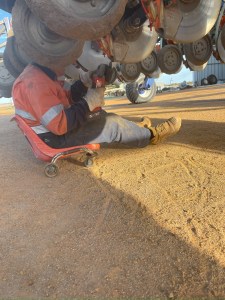
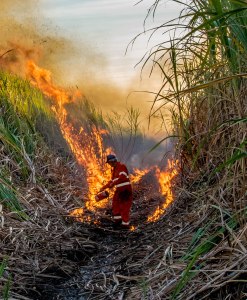

Expand your skills: maintenance on tillage gear; burning sugar cane; mine work.
Resume
Once you have all the above sorted, you can put together your resume. It is always a good idea to have a resume ready to present if requested. It can be held electronically on your laptop or on a thumb drive so you can go into a library or resource centre you can email it.
For casual work keep your resume simple and succinct. As with any position your resume should be changed for each position. If you are a couple, and you are applying for couple’s positions, there is nothing saying you cannot put in a double resume, i.e., both included on the one resume.
Any resume should always be completed in a Word document and never put your information in a table format in word. Forget the resume templates you can get online as they are designed for full time positions and won’t be relevant. I’ve seen a wide variety of templates used for resumes and the problem with them is that they don’t give the employer the key requirements needed until nearly the last page. So here is your simple layout that works for both permanent and part time/casual work.
Create a resume that includes everything about you and your work history. Then create a simplified one with less detail but key requirements. The headings will be similar. A full CV/Resume will have all of the following, your casual worker resume will have those points marked with an *
- Executive Summary
- A little about us*
- Core Competencies*
- Skills and Attributes*
- Qualifications/licenses*
- Achievements
- Equipment Operated*
- Work History*
- Professional Development
- Voluntary achievements
- Referees*
Your casual Resume should be kept to one page or two pages max. Your Work History on your casual resume need only include – years, position, company, location. If your employer needs more information, they can ask you. Referees should be previous workplace leaders and their phone number. Written references are no longer necessary and should not be provided.
What do Employers Need from you?
Employers will ask for specific documentation from you. Some ask for nothing, others a lot. This will always depend on the level of the employer’s business but is not an indication of whether it’s a good place to work. Ensure you have all the following in a folder held electronically, all details must be current. When you have secured your job, send through your information (as below) which will demonstrate how organised you are.
- Resume (usually emailed through previously), qualifications
- licenses – current coloured photos of all licenses (front and back)
- Passport – for VISA holders
- Working Visa details
- Employee details – name, address, mobile, emergency contact, bank details, any medical details (allergies, issues, tattoos), Superannuation.
Accommodation

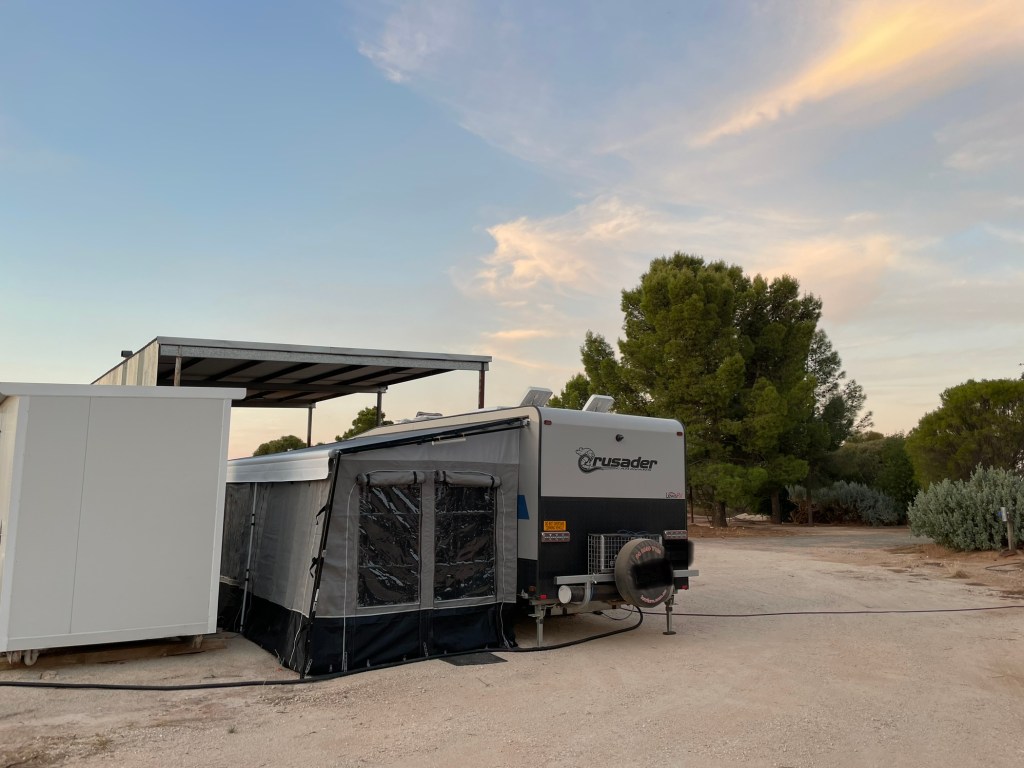

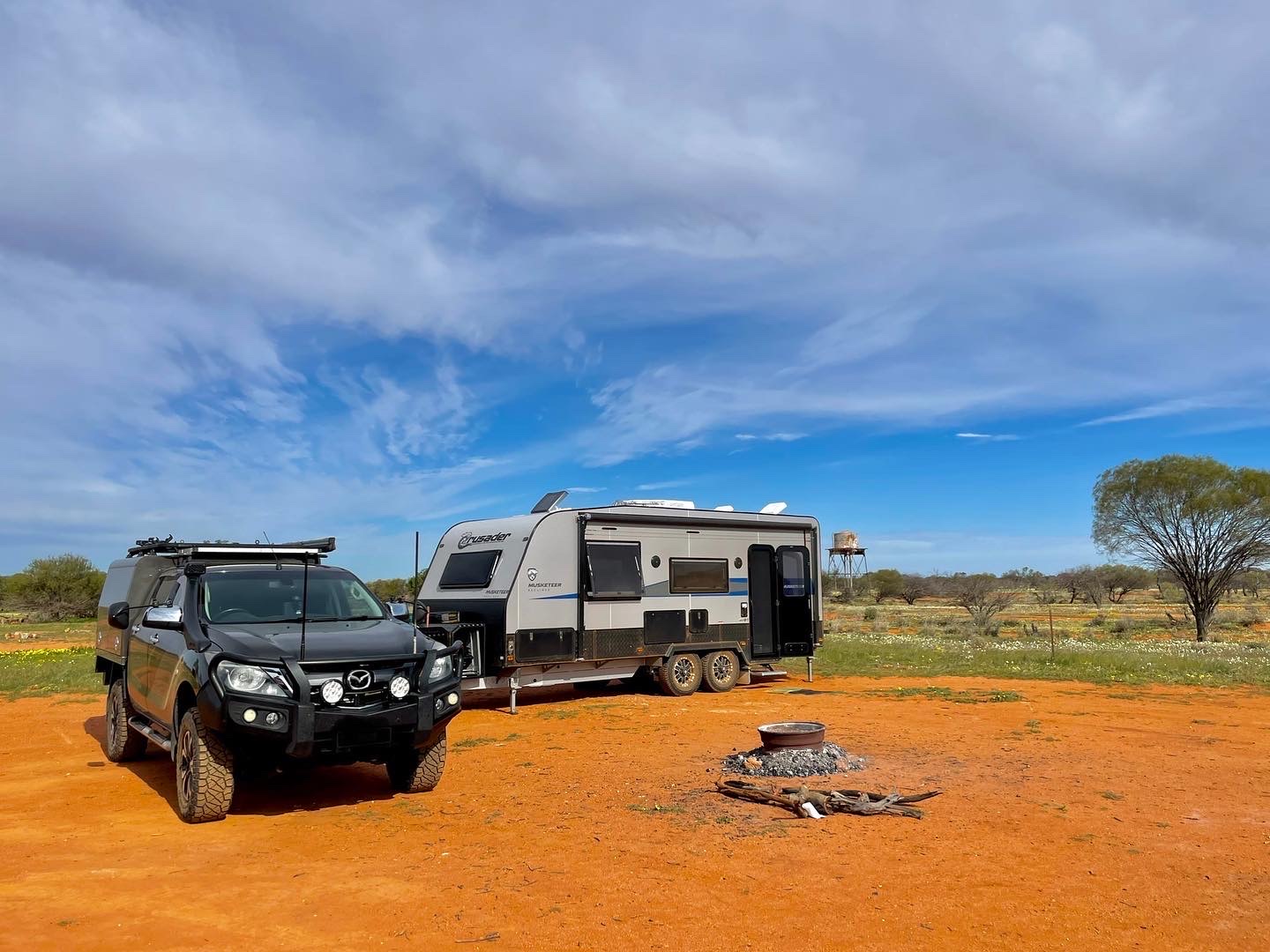
Dongas (mine site); self-contained caravan; on-property accommodation.
For any job, adequate accommodation is vital to ensure you are able to maintain a routine, obtain adequate sleep, be comfortable and ensure your lifestyle and wellbeing means you can do your job well.
Tent, (rooftop or ground), or just a vehicle may limit your work options. Its not just the weather, as you are not able to chase the good weather, its whether your vehicle is needed to get to the workplace; you will need to be confident that you can come back to a comfortable environment to get a good night’s sleep, no impact from fauna and animals, bugs and snakes, etc. In the above situations it is recommended that the work you apply for comes with accommodation. But always ask for photos of the accommodation as it needs to be habitable and fit for purpose. Your health and wellbeing is vital to being fit and able to continue doing job.
Caravan, motorhome or bus will increase the places where you can get work as not all workplaces have accommodation available. Self-contained accommodation (caravan, motorhome or bus) is the ideal situation. Requesting to be able to park up on the property is something we always ask and have never been refused. Request access to both power and water, the best place to dump your toilet canister and grey water.
Setting your configuration up for work on properties is important that you are comfortable with the environment. Tips to consider include:
- Ensure you can park as close as possible so power cords and water hoses can reach the outlet.
- You have an RV 10amp to 15amp adapter as most places will only have 10amp power outlets.
- Check the water source, rain water or town water. If rain water, it maybe limited in supply. Check if there is a pump to provide water pressure, if there is you may experience some pressure issues with your caravan setup.
- Location of the parking area needs to be enjoyable, away from traffic, roads, dusty or situations that may be uncomfortable.
- If you have pets, you must ensure these are welcome prior to accepting the position.
- There must be a suitable location to park your own vehicle next to your van or camper.
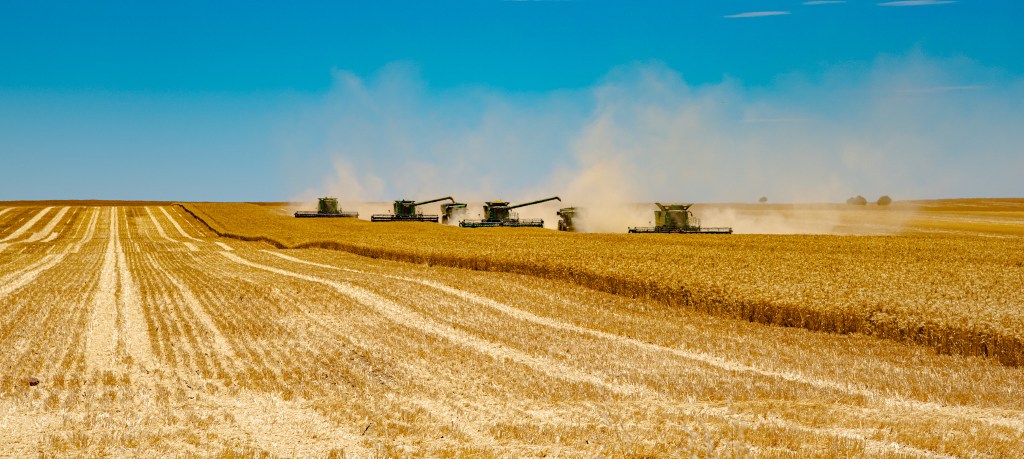
Broadacre grain harvest – header operators and chaser bin (tractor) operators
The job goes sour/bad, what are my rights?
The following information is relevant to casual and seasonal workers, where either party can dismiss or be dismissed without notice and is not conducive to permanent positions.

There are many times when you get into a job that sounded great, promises are made, the money is right and it all looks great in the initial few days or even weeks. But slowly the cracks start to appear, then you realise the job isn’t what you were either promised or was advertised and it has become an unhealthy situation to be in.
There are many reasons why a job goes bad it’s very important not to remain in an unhealthy situation. There are plenty of other jobs out there, so leaving, because you can as you are traveling around, is the best option and best for your mental health.
Here are some typical situations that you need to be aware of and are unacceptable:
- The start date changes continually without a valid reason. Valid reasons are rain impacting operations, materials not arrived, equipment still being repaired or serviced, etc. When you are asked to arrive on a set date, then the work start date is continually being pushed out, others are working and you are not getting a start, and you are not being advised why, then that is unacceptable behavior by the employer. If this goes on for more than 2 weeks, it’s time to move on.
- Work isn’t coming through as promised or is random, no communication is forthcoming regarding same. If the work is casual but full time, then being changed to casual – a day here or there, without consultation.
- Failure of the employer to communicate and consult with the employee regarding work. Under OHS/WHS laws, all employers have a legal obligation to communicate and consult with workers regardless of their employment status. Be the bigger person and approach them, ask relevant and hard questions pertaining to the position in a calm manner. If you don’t get straight legitimate answers within 24 hours of your discussion, call the employer and let them know you are leaving.
- Promises and/or the job description changes or is very different to the one you were promised. Never accept when any job changes or if different to what was promised. If you were told there would be a job for ‘X’ number of weeks/months and it dwindles out, don’t stay.
- Continuous criticism, discrimination, bullying, etc. These tactics are often used to get workers to move on at their own choice, they are also illegal. If the discrimination or bullying becomes serious, you have a right to report it via the Australian Federal Government reporting system.
- Asked to continually complete work that is unsafe or illegal. Never do any work that is illegal or unsafe. If an incident occurs, then you are held solely responsible and could be up for a hefty fine. Note that you must provide the hazards and associated risks why the job is unsafe.
- Truck drivers being forced to work long hours impacting fatigue and in breach of the transport laws (NRMA/MRDWA). Stand by your rights and ensure you remain compliant. Follow the relevant state fatigue management laws including maintaining your diary. If you are asked to drive beyond your hours, simply pull over and take a rest break. Don’t work beyond your legal hours. If the employer threatens to dismiss you, save them the hassle and leave as the problem is theirs.
- NEVER take on a job below a pay rate (unless it is under a specific agreement of working ‘x’ hours in lieu for power and water.)
- These are just a few reasons, so make sure you set standards for yourself including what you are prepared to tolerate and when you need to leave a job.
Remember these steps:
- Do your homework on the job and the company working for.
- Determine why you want to work, money or trying different experiences. Whatever the reason/s, it is important to do some brainstorming around your intent.
- Know your rights, pay rates.
- Set perimeters for your work environment, including accommodation. If you are to be there for a few months, it is important to ensure you have a good environment to have your R&R so you are fit-for-work.
- Interview the employer – when you take on a job you are not the only one to be interviewed. Remember you also need to ensure the position meets your needs and requirements. Interviewing the employer is perfectly acceptable. Have a list of questions to ask, and ensure you get valid responses, not just flippant answers.
- Ask what the employer wants for on-boarding and have these submitted immediately. We have all our documents and information in a folder held electronically on an external hard drive. We rarely use the employers form as it never has the correct information.
- When things don’t appear as they should be, communicate with the employer in a calm and professional manner.
- Give the employer a few days to make amends and advise if no change, then you will be leaving.
- Walk away, preferably without burning your bridges and hold your head high. After all your mental health is more important.
Accepting a job that goes sour can happen to the best of us, and it has happened to us. Most importantly, NEVER bad mouth the company you have left. DO NOT advertise on the socials that the company was bad because people including employers can take your name and put you on their black list. You just need to walk away.
Final Word……
There are so many poor actions taken by employers mistreating employees it is seriously concerning. With so many jobs out there, employers should always be providing the best possible environment for their workers, so it is their loss.
It is important to know your rights and obligations for all positions. Know your worth, credentials, experience, skills and passion. Demonstrate these when you have the interview or discussion with the employer about the position.
Refer to other tips on this blog to prepare yourself and identify what work you want to or have the skills to do.
Please check these out on the web site and if they are not clear, call the ombudsman for assistance. Know your rights and obligations – Fair Work Ombudsman
NB: I have qualifications and experience in Human Resources and OHS, but as things are always changing you should always consult Fairwork Australia for the latest information.
Looking for Jobs
There are several ways to do this. Some say just walk into the local pub or shop, but clearly most of us want to have the job arranged prior to entering a town. So how do you find work?
We have found the best way is to determine the area where you might wish to go. Whether we are in a current position or having some R&R, we will plan the rough area where we would like to be working in. we also have a list of the types of work we would like to experience. The advantage of travelling around and working is you have the wonderful opportunity to try different jobs and roles.
Another aspect to consider it if you wish to work in tourism areas at high peak seasons, accommodation is imperative to preferably come with the job. Be reminded that time off to tour may be limited because the time of the year. There is generally more work available in those areas at the peak time, but also understand the downside of these roles. When we did the Broome position it was peak season. The opportunity to travel and explore was very limited, whereas the NQld position was a roster structure enabling us to explore on our 3 days off.
Links to find work
There are many places to look for work. These are but a few, many advertise on other sites:
- Facebook community groups
- Facebook industry groups
- Grey Nomads Jobs
- Workabout Australia
- Agworkforce
- Australian MC Truck driver Jobs
- Working on the Road in Australia
- All things on the road – working – living – wandering
- Australian Rural and Remote Jobs
- Plus many, many more.
Determine the area where you wish to explore and get work. When you do this, the available work might not be either what you want or not available. Join the various community Facebook pages and monitor them for jobs.
The advantage of doing seasonal work that you enjoy and do a good job there, you will be invited back creating a sense of security for your work.
Working with livestock. It is imperative that you have a strong understanding of livestock when applying for such jobs. It is physically demanding work, it is NOT about working with a farmer’s pets!! Most of the animals are free ranging and when they are put into the yards to work with, they can be flighty and unpredictable. Learning about animal behaviour requires years of experience, and that experience is with herds and mobs of stock in a variety of situations.
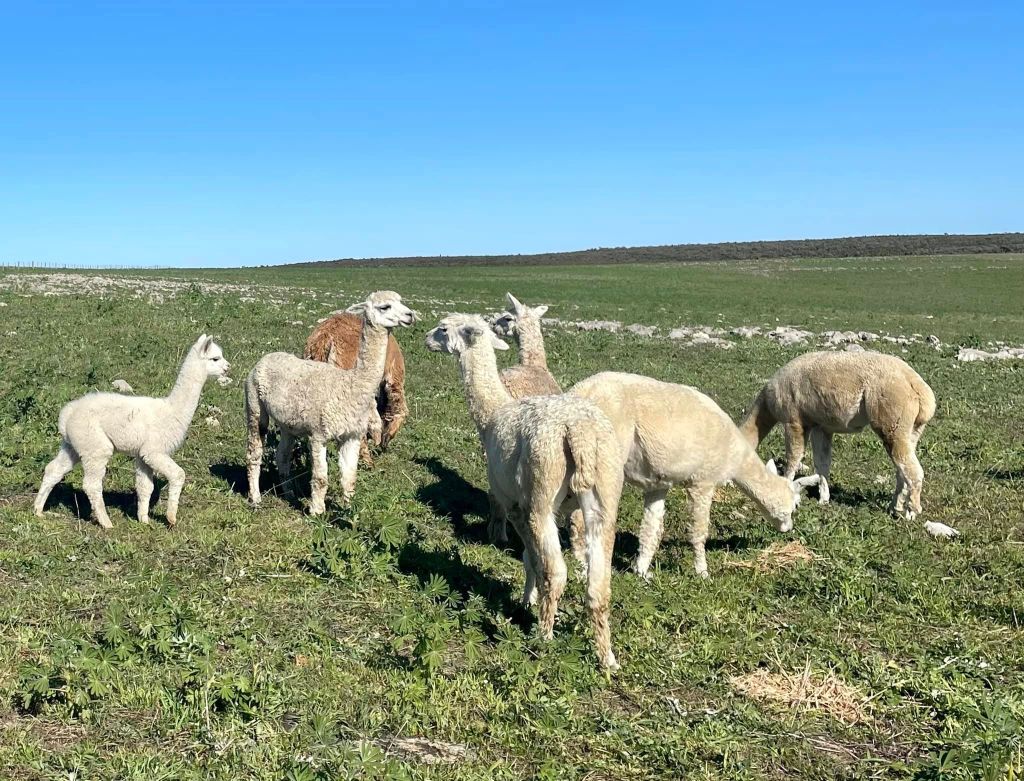

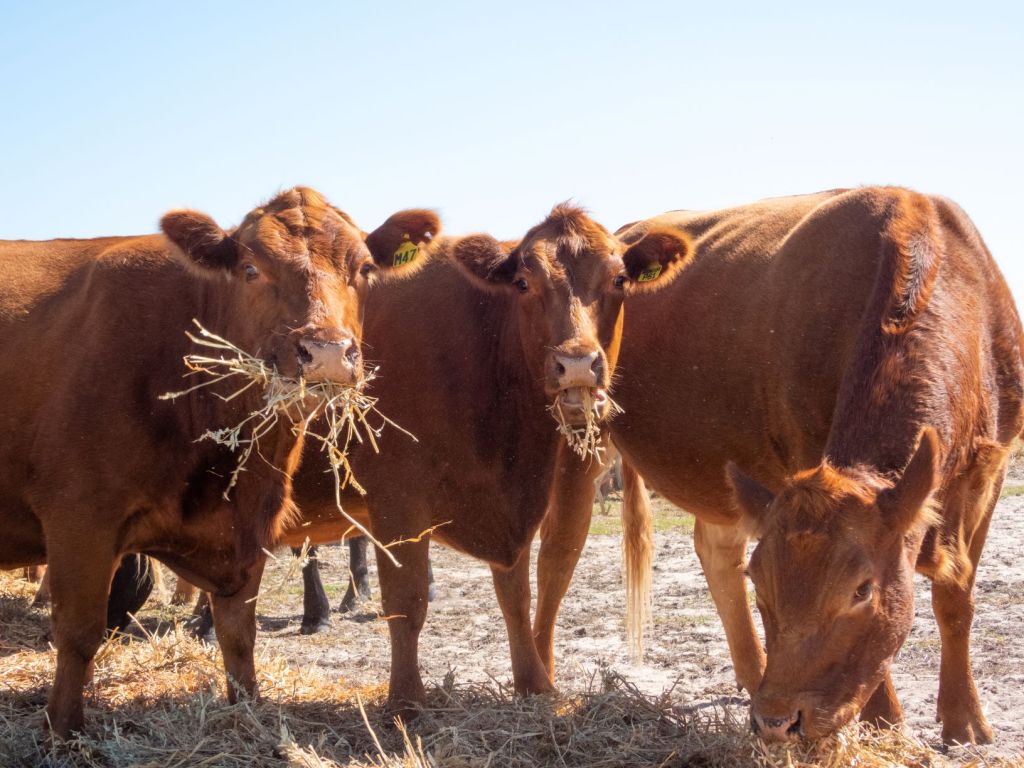
Working with animals: Alpacas and cattle.
Job Behaviour and Expectations……
There are some key requirements for doing your job well, and these are standard for most positions and roles you might undertake:
- Complete your work in a safe manner to ensure you are compliant to the state OHS requirements. Be proactive. Don’t walk past hazards, or small things that need attention.
- Never, ever say – ‘that’s not my job’. You want to receive attention for doing the right thing not by being rude, ignorant or difficult.
- Maintain a health lifestyle. Be fit-for-work and don’t turn up under the influence of drugs or alcohol.
- Be punctual. Be efficient and effective.
- Even if your job is individual, you are part of a team and there is no ‘I’ in Team!! Help others, remain positive and be supportive.
- Speak up if you need more information, if something isn’t quite right, or there is a hazard that presents a risk.
- Always wear suitable clothing and PPE as provided. If PPE isn’t provided, ask for it or buy your own. Wear clothing that provides protection to you. Gym gear is for exercise, casual wear is for non-work, work clothes are for working. Leave the skimpy shorts or board shorts for touring. Be respectful in your dress sense and those around you.
- If operating equipment/machinery, complete a pre-start and maintenance before operating, unless a mechanic is assigned to the maintenance tasks. Regardless of whether you were not advised to do a pre-start, it is your duty of care to ensure the equipment you are about to operate is in good working order.
- Understand and be aware of your surroundings.
- REMEMBER – you accepted the position, taking the good with the bad. There will be tough times, breakdowns, hiccups, take it all in your stride.
There are many more to list, so ensure you are vigilant in your job.
‘You are only in the job for a short time, make the most of it, learn as much as can and remain a positive happy worker.’
Work type examples
There is a wide range of positions out there all dependent on whether you are looking for a permanent, casual or seasonal work. Here we will explain the seasonal work examples and our experience in these positions. You may have had other experiences, and that’s perfectly fine as each to their own. Seasonal work can be found on stations and farms, agriculture, horticulture, viticulture industries, tourism, rural town short term roles and many more.
Below we will outline our experiences and what the employer should be looking for so you can prepare yourself for a position there. Remember these are our experiences which may differ from others’. Therefore, your own experiences can be different.
Truck Drivers

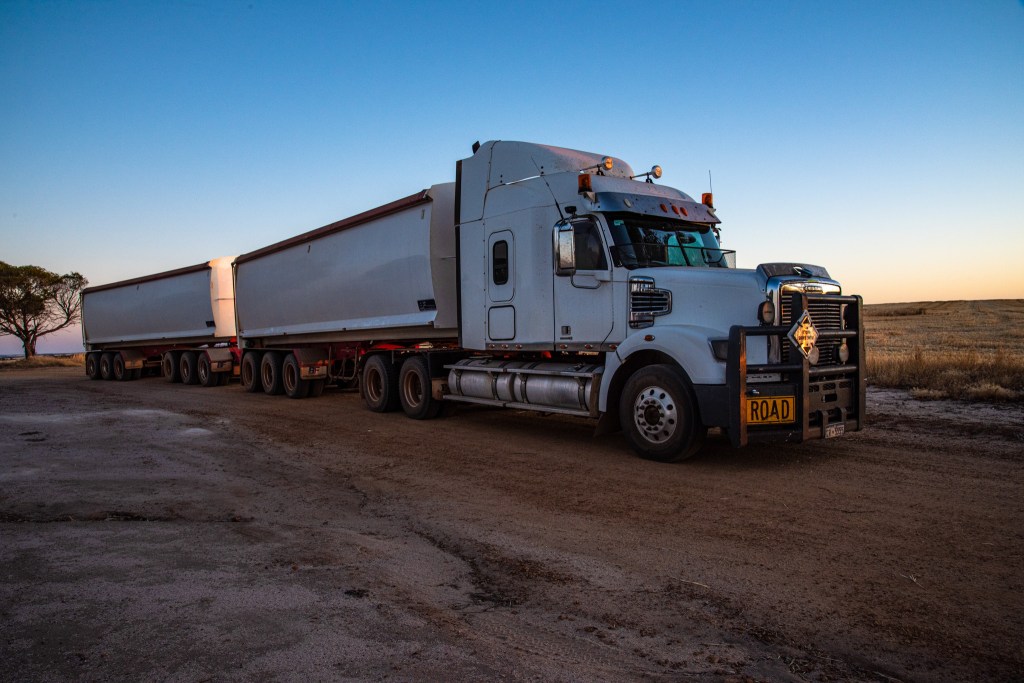
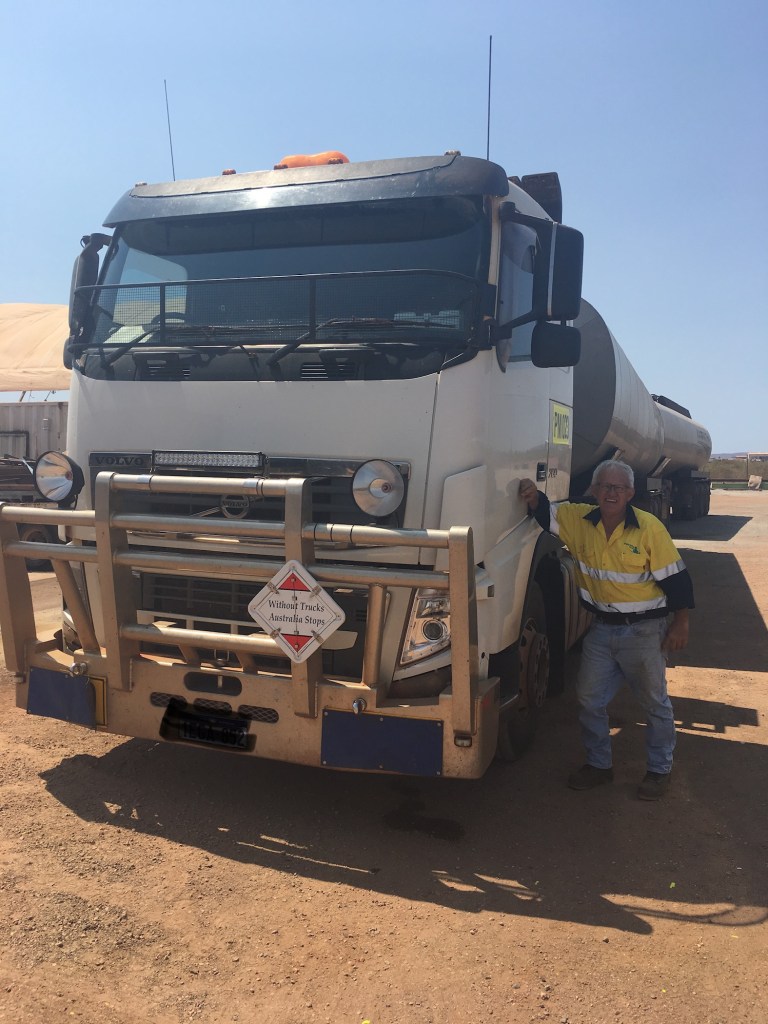
HR 8 wheeler sugar cane haulout driver; MC pocket road train grain harvest; MC road train with dangerous goods licence.
Truck Driver roles are a plenty especially in the higher license levels of HC and MC. Let’s talk licenses and what you are able to operate. Each level is based on axle groups of the truck, thus the weight they carry. Each state has the explanation of licenses in detail on their licensing web page. All licenses are Nationally Accredited and must comply with the same requirements in each state. However, whichever state you have a current license in, it is best to upgrade your license to the next level in that state. Otherwise, you may be required to transfer to another state. Without experience we recommend a HC, which means you can drive everything up to that license.
- C – vehicle (GVM 4.5t, carry up to 12 passengers)
- LR – Light Rigid (GVM 4.5t to 8t, >12 passengers)
- MR – Medium Rigid (2 axles, GVM >8t)
- HR – Heavy rigid (3 axles, GVM >8t)
- HC – Heavy combination (prime mover with a trailer, GVM >9t)
- MC – Multi combination (prime mover with 2 or more trailers, GVM >9t)
- Bus/taxi – each state has a different structure for this license. But it a handy one to have especially in the tourism industry.
Truck drivers are required to comply with various safety requirements, however, just to confuse things, each state is very different. Qld, NSW, Vic, SA are covered by the NHVR. WA is covered by Main Roads WA. NT & ACT don’t have any jurisdiction. The varying difference pertains to fatigue management and the diaries to be kept, oversized/overmass loads and permits. It is in your best interests to refer to the specific web pages for the requirements.
WA fatigue management is a simple online questionnaire available on the Main Roads website. The NHVR fatigue management is more complex with at least three levels, most drivers will only require the Basic Fatigue Management course. If you get a position with a company in those states operating under the NHVR, ensure you ask them what they require.
Truck driver job documentation will be needed to hand over with your application. We always have in place ready to email, a pdf copy of your medical, license (both front and back in colour), fatigue management certificate. These are required for the employer as proof that their driver is legitimate and current plus the truck owner will need this information for their annual truck accreditation.
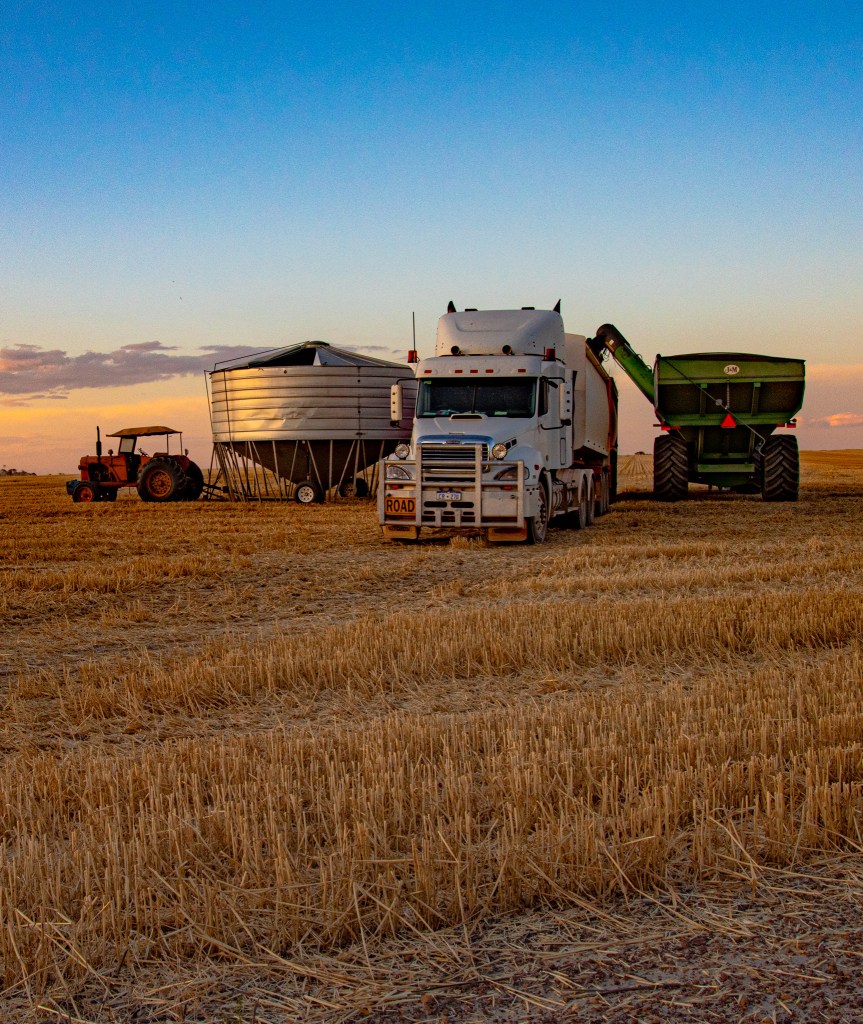
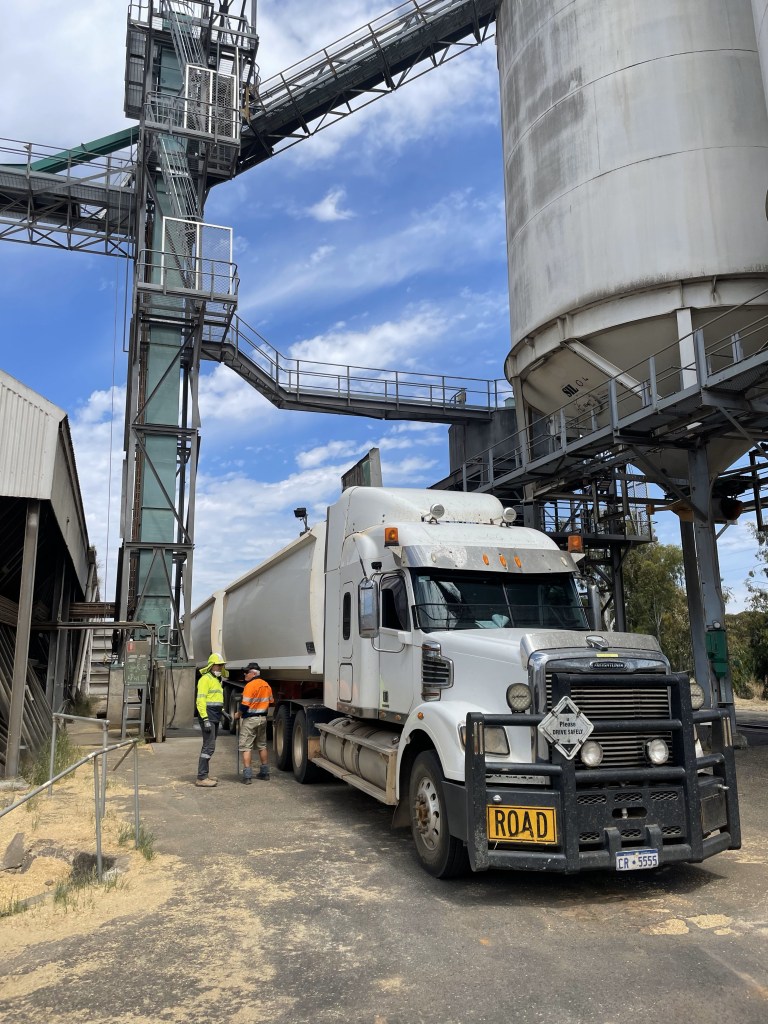
Grain Harvest and Hay – driving a truck in the grain harvest will vary state to state. Most will require an MC with experience with two trailers, rear tipping of grain, fertiliser, lime. Hay carting requires the use of a low loader trailer and experience in strapping. Also knowing how to use roll tarps to reduce potential shoulder and upper body injuries is also pivotal.
Delivery to Bulk Handling Storage – This requires knowledge, understanding and experience in the field of grain/fertiliser/lime, but also in the lie of the land. Knowing how to load up the trailers with the correct weight over the axles will mitigate possible fines for being overweight, which can only be on one axle not overall. Delivering the grain to a receival point for the farmer requires knowledge of the product and the various grades. The farmer wants the best grade possible, therefore communication with the farm is paramount.
Freighting machinery/equipment – experience is a must in this area as every load will be oversize/overmass and pending the state pilot vehicles.
Tipper Experience – whether side or rear tipping, experience operating these trailers is pivotal to mitigate the potential risk of tipping the entire trailer over. Carting various materials adds to the risk of tipping in each situation. Farmers prefer drivers who have carted grain/fertiliser/lime and who understand the product they are carting and delivering.
Port Access – There may be a requirement to gain a Port Access card (MSIC), but this can be provided by the employer. In WA the MISC card gives you access to most ports along the coast. There is no requirement to gain this in advance.
Ther equipment and tickets handy for the truck driver include how to operate and use a front end loader or telehandler, have a forklift ticket (HRWL), load and restraint training.
Cooking & House Support
You don’t need to be a chef, just have an ability to vary the food and have a penchant for ‘street’ style or cafe food that will make it from the kitchen to the paddock. The trick is to ensure the food is flavoursome, nourishing and arrives still fresh.
Be organised too. For more information check out our ‘Cooking on the Road’ page.

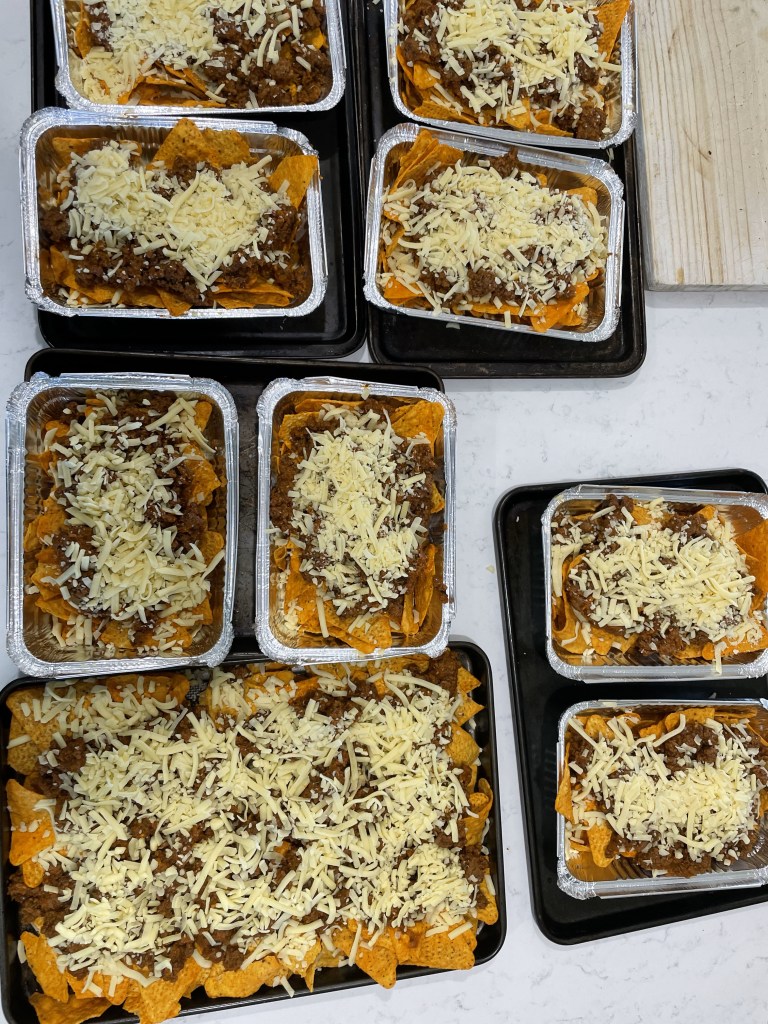
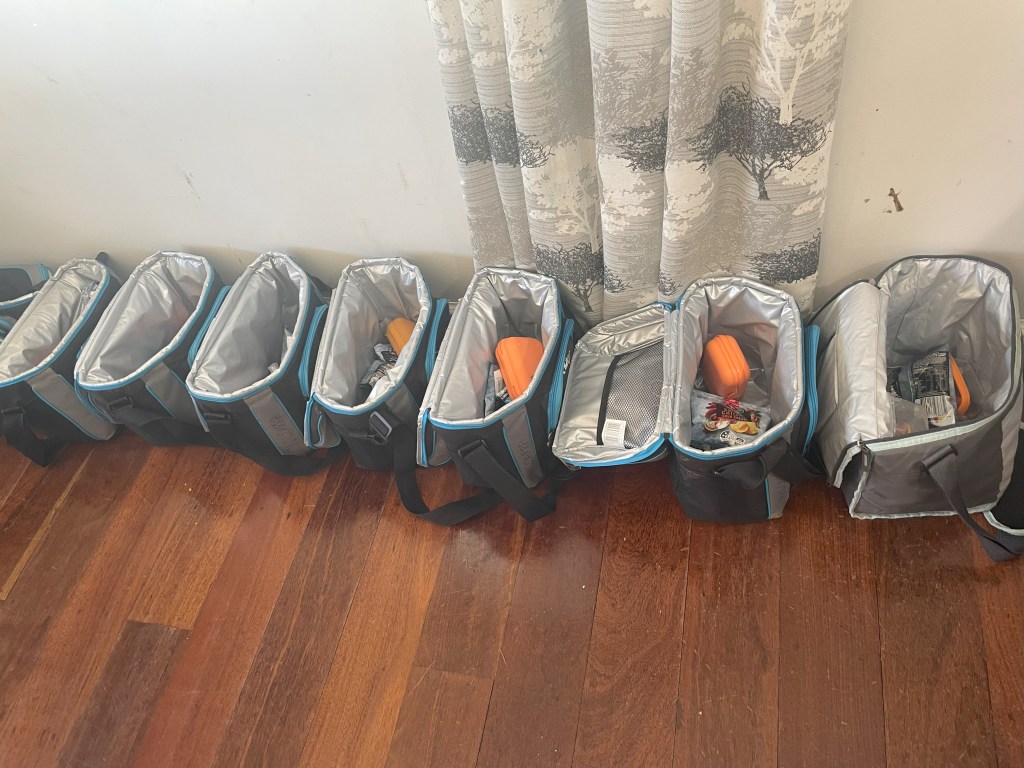
Cooking for work teams can be a rewarding and interesting job.
If your role includes house support, the best approach is to be proactive. Have a chat with your employer and ask what you must do and what they don’t want you to do. Set the boundaries at the beginning of the job. Never wait to be told what to do next or you risk the issue of being instructed every minute of the day.
Put the washing on, then go back and hang it out or pop into the drier, don’t wait to be told. If the floor needs sweeping or washing, just do it (at an appropriate time, not when you are trying to prepare meals).
Be prepared and organised. Write or jot down notes, reminders. Use a diary if one isn’t provided. Your role is to reduce the workload for the employer NOT to increase it!!
Pay Rates
Never ask for pay rates on social media groups unless you want to open a can of worms. Every worker regardless of the type of work, part-time/full-time, casual, etc., is covered by a state or federal award (or both). Be aware of what award the work you are applying for comes under. Some rates are piece rates i.e., paid per tonne, crate, etc., or hourly. Never try to assess a piece rate to an hourly rate as the piece rate is industry related.
Your expectations for what you ‘think’ you should be paid versus what you are ‘worth’ can be very different. If you have never worked in the role you have taken on and you are working next to an experienced worker, your rates will be very different and should NOT be compared. Experience in most industries that we have been talking about above will get good pay rates. You also need to consider whether you are being provided with board and keep and other benefits, experience in the work you are doing, risk factor (dangerous goods carting is high risk).
Mostly you will find rates of pay will be a ‘flat’ rate, meaning you will get the same rate for every hour on every day. Such a rate must be well above the award for hourly rate plus penalties. Casual rates must be 20%-25% above the fulltime permanent hourly rate as the additional percentage covers the lack of leave. Most work you embark on you will not be earning sick or annual leave, so take that into consideration. If you do need to take time off, you won’t be paid for it.
Remember, overseas people on working visas must be paid the same rates and receive superannuation that they can take with them when they leave the country. As Australian residents ensure you are being paid correctly. Understand and be aware of the pay rates, state and federal awards, for the work you are undertaking.
To understand what award you are working under go to the Federal Fairwork Australia website – Awards – Fair Work Ombudsman; Minimum wages – Fair Work Ombudsman. Alternatively, check the State awards in the state you are working in.
Good luck and we trust these tips are useful.



Sometimes your position on farm is right in the action!! No damage was sustained to our caravan from the cane burn.
Work Health and Safety
With the many changes taking place in the health and safety industry, more businesses are applying on-boarding requirements inclusive of inductions and competency training. It is imperative that you comply with their mandatory practices which have been put into place to protect you the worker and the employer.
Bron is a WHS Consultant working in both the mining and agriculture industry and has seen a big shift towards implementation of WHS systems. Undertaking the employer’s practices is necessary and will benefit you. Both the employer and the employee have a duty of care to Work Health and Safety.
A verification of competency (VOC) should be provided for the equipment you are operating regardless of whether you have a license/ticket. It provides the employer with an indication of the employee’s knowledge of the equipment whilst giving the employee the opportunity to learn about that specific equipment and different practices.
Working Remotely Tips
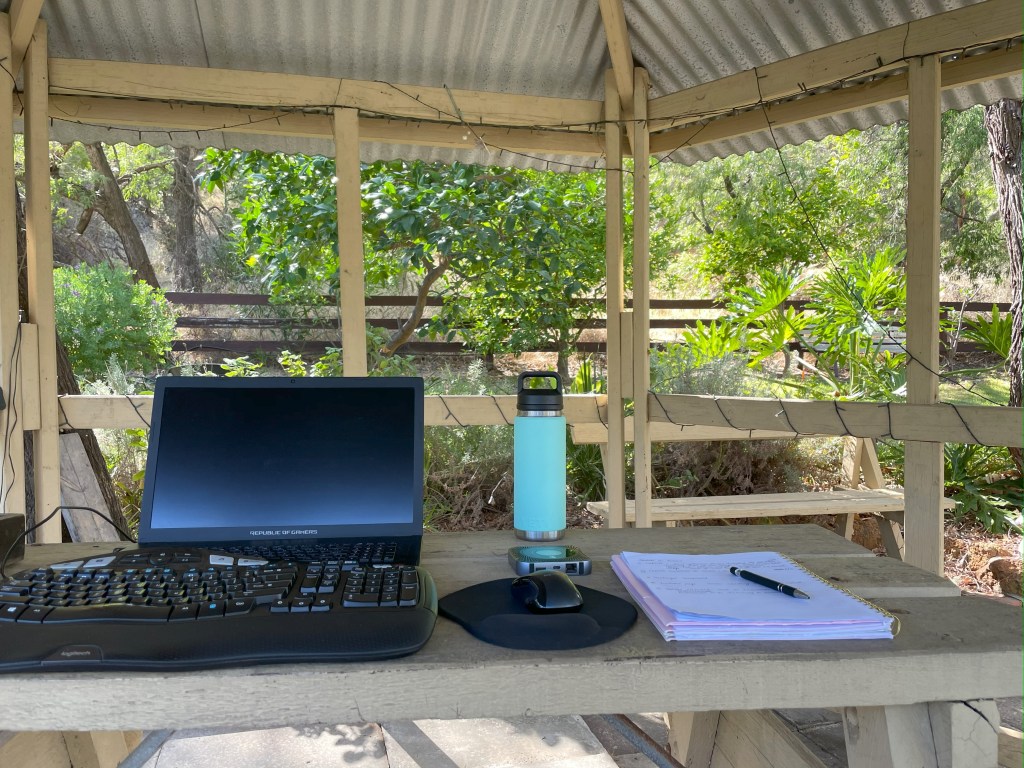


The advantage of working on the road is that you can set up your office in a comfortable location – outside, annex, caravan
Office Set-up
This is not about how to obtain such jobs, but more about how to setup your office, which doesn’t need to be in the confines of your caravan. Working remotely whether from your caravan, mobile home or vehicle requires discipline and dedication, but the rewards can outweigh the negatives.
Ergonomically, you need to ensure you have a place where the laptop can be left and not interrupt meals times or other activities. If you have a dedicated area in your caravan to leave the laptop without having to pack it away each day, you will be more productive. Sometimes though, this isn’t always possible, so you need to work out what works best for your situation.
I’ve worked in a small caravan, where my locations were the kitchen bench (stanbing), fold out dining table, outside in the annex or for one awesome location I had the use of a gazebo located next to our site. Obviously, I had to pack my things away each day, but it was a lovely environment to work in. These days we have a customised caravan with an office area where I can place my laptop and still use the table for meals and other activities.
The middle picture above of the office setup in the annex, the little foldable table is from Kmart and has been very handy. The top has 3 settings as does the height plus it is lightweight!
Equipment
A laptop is the best remote work tool to use. However, some prefer to use a PC with monitors, which is great if you have the space to set that up. A 15″ laptop will give you ample monitor space especially with many now having easy split screen options. I use a 15″ laptop and successful use Excel spreadsheets and Word processing as a technical writer.
I use a separate ergonomic keyboard and mouse (and mouse pad) as the functions of laptop keyboards are often limited. I’ve been doing computer processing work for several decades and know the pivotal requirements of ergonomics, especially as one gets older!! A great chair, good posture, desk setup all means less trips to the chiropractor!!
Laptops generally don’t have a lot of memory. For security, peace of mind regarding your precious memories I highly recommend you store all your information on an external hard drive. Use two x 2T hard drives (min) – one for every day, and the other for backups. Complete your backups monthly. If you wish to store in the cloud, by all means. Ensure your external hard drives are handy so you can take them with you in an emergency. I purchased a Kmart backpack in a suitable size for my laptop and other equipment with a padded section for the laptop for about $20. I keep all my computer items in the bag when traveling, taking out what I need when parked up. At all times I store my laptop into the bag and its ready to go. I travel with my camera and computer bag in the car. Never leave cameras or laptops in a hot car or van.
I use Google Drive to send large documents, photos and other electronic information rather than email. Once it has been received at the other end, simply delete it to reduce the amount of storage. You can retain a large amount of data on the 15GB storage Google provides you with for free.
Printers – there are a wide variety of lightweight printers on the market, for the small amount of printing you would be doing, the choices are endless. the most important thing is to find one with WiFi function so you don’t need to have cables connected. Our printer is located in the overhead cupboards. I simply open the overhead cupboard, plug the printer into power and print what I need. When we travel, it packs away nicely. The important aspect of a printer is to ensure you can pack it away when you don’t need it but be convenient to access. Ensure the printer doesn’t use the refillable ink cartridges as they are not suitable for travelling.
Keep all your office stationary stored in a plastic container with a lid. Doesn’t need to be a lot of items as long as it is accessible.
Internet


Remember if you choose a remote job, internet and phone cover is very limited. Starlink dish on mobile pole; Nighthawk; Cel-fi-Go.
This would have to be the most frustrating issue of caravan life. Getting great internet access. Whilst there are many good products for access including Starlink, Nighthawk and the CelFi Go booster (for the phone only) there are great options out there and they are always new ones coming to the market so check these regularly.
Starlink – The best option for Internet and Wifi phone calls is Starlink satellite which we have purchased and placed onto a ‘roam’ plan. Whilst the roam plan is up there in monthly fee, if you are conducting online remote work, this is the best option. We have opted to have the dish on a pole when parked up, where it is safe from being moved, run over, or removed out of its insitu position. The pole option we chose has two suction caps to attach to any area on our smooth sided caravan. If you don’t have smooth sides, there is a permanent option available. There are many options to have the connecting cord permanently located at a connection point in your van. The Starlink satellite is located to the south in Australia, so ensure you have a clear view of the sky when parked up.
The downside of the current Starlink setup is it only operates on 240v. If you don’t have an inverter, you will be limited to powered sites only. However, there are several companies that are providing options for 12v connections. Alternatively, you can purchase a pure-sinewave 300w inverter to use when off-grid, you can connect to your current system or use a mobile solar panel. Do your research to find the best option for your setup. If you are worried about it being stolen, don’t be concerned as the unit is absolutely of no use to anyone else.
Celfi – this is set up can be easily located in both the caravan and tow tug. There are many antenna options, and ours is located on the TV antenna so we simply wind it up/down with no added effort.
Netgear-Nighthawk – a Telstra plan is the best option as it gives you the greatest access across the country. Check the plans to determine which one gives you best value for money. Consider a plan where the data can be shared across all devices (phones, tablet, TV, Laptop.) The netgear can operate remotely with the battery, or on power (remove the battery please). The battery is a Lithium-ion and if left on 240v charge it WILL eventually cause damage to both the unit and the battery. Be warned, the password for the unit is noted on the unit, so don’t leave it around where someone else can access it. You can leave it inside the caravan as the unit has a reasonably good range. TIP: If you are in a location with poor internet, limit the draw on your netgear to the important devices.
Aus Phone Tower app – enables you to find nearby towers for phone, TV and other broadcasting units. When you read the app you want to find the tower with a min of 4G with a MIMO of 4x. If you are near a tower with a MIMO of 1x this will not provide you with quality data download. there are other point to point devices of use out there which I am sure will be useful.
 Travelling Falconers