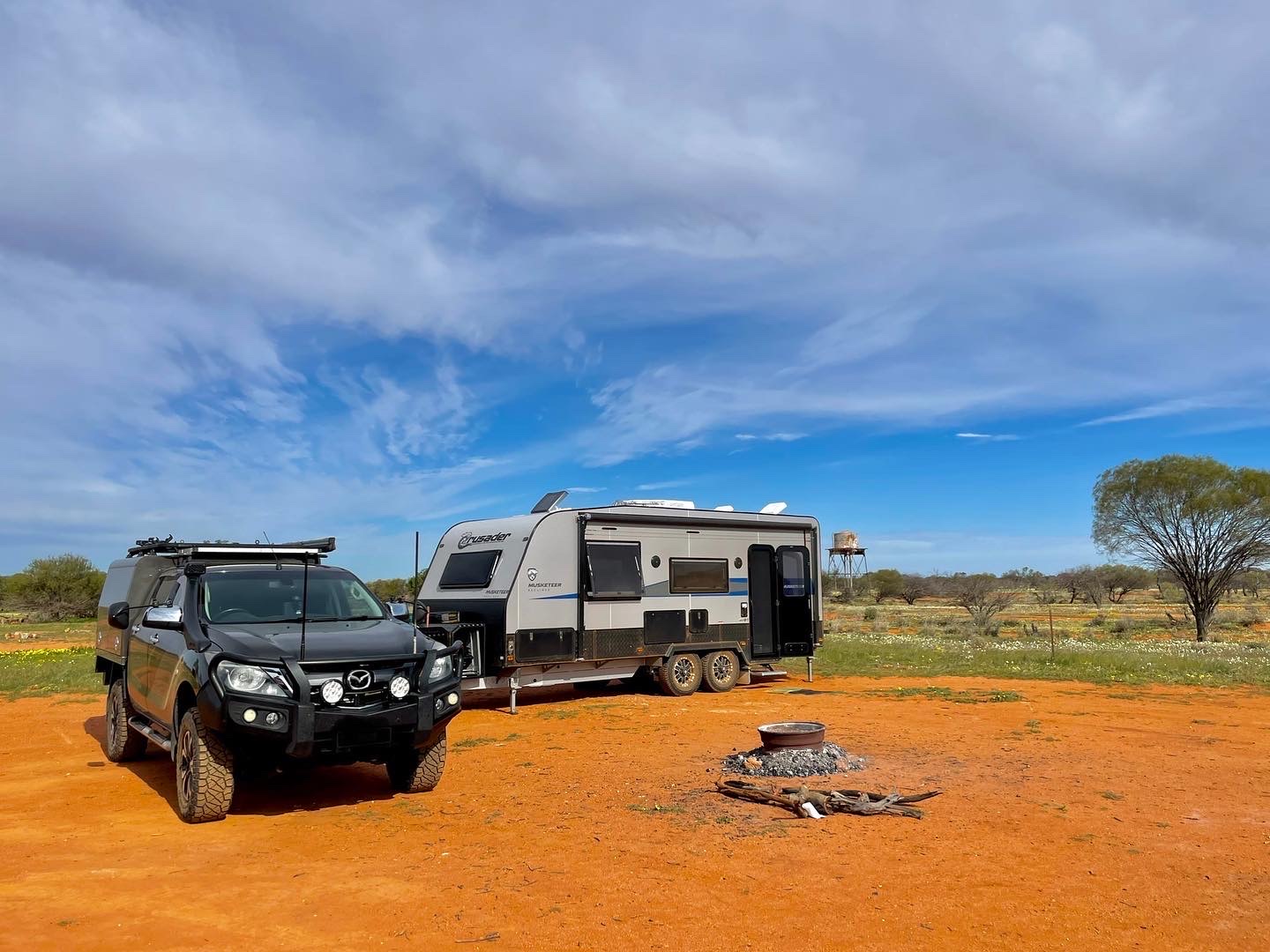
When we travel, we ensure we still eat a healthy diet, fresh fruit and vegetables. Cooking whilst traveling shouldn’t be a reason to eat poorly. Even a small town will have at least a small grocery shop, but in general when you travel through larger towns its best to stock up.
With the amazing options of cooking appliances and processes available today you can eat very healthily.
Caravan and Camping cooking
For those who are starting out in caravaning or camping for the first time, things will be very new and different from home. Cooking and food prep is about adjusting to your new lifestyle as will the food shopping. Our tip is to cook for the month before you leave, like you would in your caravan with only the equipment you will be taking with you. That way you can adjust your favourite recipes to the new methods you will be using.
We don’t cover campfire cooking in our blog as we don’t prepare food that way. Whilst we love it and it has its advantages, we consider the weight of the equipment very heavy and for the times we do go camping with the tent, these are minimal.
Food preparation, shopping, menus and cooking on the road has its problems for some, so, let’s look at our tips to help you navigate the food and cooking of caravan life.
Food shopping and supplies
The way you shop for your food will be completely dependent on where you will be traveling, off-grid, isolated, remote or sticking to the major highways and towns.
- Menus and Meal Planning – the best way to save money and reduce waste is to do up a menu. We do a fortnightly menu and buy enough food for that time frame. You are only buying what you need and you are not likely to buy something that you already have in your van.
- Shop as you go – if you have been accustomed to shopping in the big-name supermarkets, you will need to adjust the way you shop, especially if you are heading to remote locations where there are often only IGA’s and Foodland shops. These are not as cheap as the bigger ones and you will pay more. Local butchers are excellent and will provide a personalised service.
- Bulk Shopping – Unless you have the capacity to carry large qualities (fridge and payload) stocking up before heading bush is a choice that we don’t recommend. Apart from the weight factor, we prefer to support small communities. You have chosen to travel into remote areas, so it is only right that you support these small businesses, by factoring into your budget the small increase in costs. If you are parked up in one place for a month or more, then bulk shopping will work.
- Bulk food shops – these are perfect for purchasing just the right amount for your storage capacities. Rather than waste $$$ on a kilo or flour, you only need to buy the exact amount for your storage containers.
- Shopping as you go is really the best option. This helps to ensure you have fresh produce on board and are supporting those small communities you travel through.
- Storage – ensure all your shopping is packed away into the relevant containers, fridge and freezer. Don’t leave it until the next day.
- Fresh produce Markets – Some of the larger towns often have regular markets where fresh produce is available or if traveling through some of the horticultural regions, roadside stalls are a plenty. The stalls are ideal to stock up on fresh produce that will be at least 2-3 weeks fresher than even the biggest supermarkets, so your produce will last longer.
- Freezing – if you have the bigger fridge with the freezer, you can take advantage of freezing food to reduce waste. Remember to Cryovac the food to minimise space.
- Cryovac – this is a great concept to reduce space (not weight) and keep your produce and food fresh. If you don’t have or intend to get a Cryovac, at least store in the double zip lock bags. Butchers often Cryovac for you, always ask. Food saver had a great mobile cryovac, but this product is only available online until sold out as it is no longer available. We recently purchased the VS4500 one as it is light and we can still use it with our food saver bags.
- Quarantine – At each border there are the quarantine requirements. WA and the Riverland of SA/Vic are the strictest. The secret is not to throw everything out, but to ensure you store the food correctly. The main ones to be considered are fruit and vegetables. These can be frozen, stewed or cooked up. The most problematic will be going west via the Eyre Hwy due to the distance. Best to prepare your meals and either freeze and/or Cryovac.
Food Tips
- Long-life Products – milk, cream, juices are ideal if going remote. We carry at least a couple of each in the event that we get caught and are unable to get to a shop.
- Bread vs Wraps – wraps will take up less space than bread. If you have space, freeze the bread to reduce waste.
- Cakes, Slices, muffins – We use the air-fryer to cook these in as we don’t have an oven. The air fryer does an amazing job. To save carrying flour and sugar (weight), we buy the packet mixes. Greens packet mixes are perfectly fine and taste great. Alternatively, carry muesli bars for those times when you are unable to cook up.
Storage is the secret to keeping your food fresh. Check out the page on Storage where we cover fridge storage.
Cooking Tools and Equipment
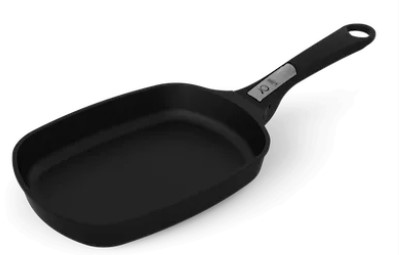


Weber products that can be used in an oven or cooktop.
- BBQ – the Weber Baby Q or Ziggy are great portable cookers with the option to BBQ, bake, roast, grill, etc.
- Air Fryer – you will need at least a medium to large size to make the most of these. Use for grilling, baking, frying, toasting, etc.
- Electric Frypan/Skillet – the skillet is a great size for two people and very handy for wet days.
- Microwave – a great tool to cook, defrost.
- Equipment – frypan, casserole dish (we use the Weber one), saucepans (we only have a small one as we use the Weber Casserole dish as a saucepan too), baking tins, baking dish, etc
You don’t need to have a huge range of tools, ensure each tool has a dual purpose. One of our favourites are the Weber cooking tools, e.g., casserole dish and fry pan. These both have removal handles and pack neatly together (with protectors for the inside, we use a micro-fibre cloth). The casserole dish can be used as a saucepan and casserole dish and the frypan as a cooking or baking tray.
Recipes
Never compromise your health whilst on the road by eating foods that are convenient, packaged, frozen or fast food. With fridges, gas cookers and ovens, the portability of BBQs, electric frypans, air-fryers and more you can cook just like at home. There is no excuse for eating unhealthy whilst traveling.
For us as full-time travelers, eating well on the road is pivotal to maintaining our health so we can keep traveling. Naturally, everyone wants to keep the food budget down, so the best way to do that is to make everything from scratch. We also like meals that are quick and easy, but also healthy.
There is a huge number of recipes out there, so we don’t need to provide them here. What we will do is provide tips for cooking, keeping costs down and helpful advice.
Herb and Spice Mixes
Make up your own mixes for Morrocan, Italian, Zatar, Taco, Grasslands salt, Dukka. I carry a small coffee/spice grinder with me to grind down all my spices for my mixes. You can transfer the mixes to canisters, shakers or leave in plastic bag.
- Morrocan Ras El Hanout – grind 1tblsp each of fennel, cumin, coriander seed, peppercorns; 1/2 tblsp rock salt. Place in a plastic bag and add in 2tblsp each of turmeric, paprika (sweet), ginger (ground) + 1tblsp cinnamon + 1/2 tblsp each of cayenne, nutmeg, cloves, allspice, cardamon.
- Italian/Tuscan – mix equal quantities of basil, oregano, marjoram, thyme, rosemary, garlic granules, fennel, salt and pepper. optional add chilli or sumac.
- Zatar – Place all into a plastic bag = 1/4 cup Sumac + 2tblsp each of thyme, marjoram, oregano, coriander, cumin seeds + salt and pepper to taste + chilli flakes (opt).
- Taco Seasoning – Grind 1 tblsp each chilli flakes and garlic granules, peppercorns, rock salt, 2 tsp oregano, 1 tspn each of marjoram, cumin. Place into plastic bag with 1 tblsp Sumac + 2 tsp paprika (sweet) + 1tsp smoke paprika.
- Grasslands Salt – Place 2 parts of Italian mix with 1 part flaked salt (do not use standard salt or rock salt). As an option you can add any other spices or herbs to your liking. Great for sprinkling on your chips or roast vegetables prior to cooking, on salads, anywhere a herb salt is suited.
- Dukka – This is a recipe given to me by a clever cook, every time I make it, I end up with a variation of the original. Grind 1/2 cup each of cashews, almonds, pumpkin seeds + 1/4 cup sunflower seeds. Place in a plastic bag then add 1tblsp each of fennel and cumin seeds + 2 tblsp or white or black sesame seeds. Mix all together and transfer to a shaker or container. Options: 1 tblsp each of ground coriander, cardamon, turmeric for a Moroccan blend. OR 1 tblsp each of ay dried herbs for a herbal blend. OR Add chilli flakes, cayenne pepper, paprika. You can substitute nuts with your choice or whatever is in your pantry.
Cooking Tips
Cooking cakes, muffins and slices is easy, even without an oven. Use packet mixes to save space and time.

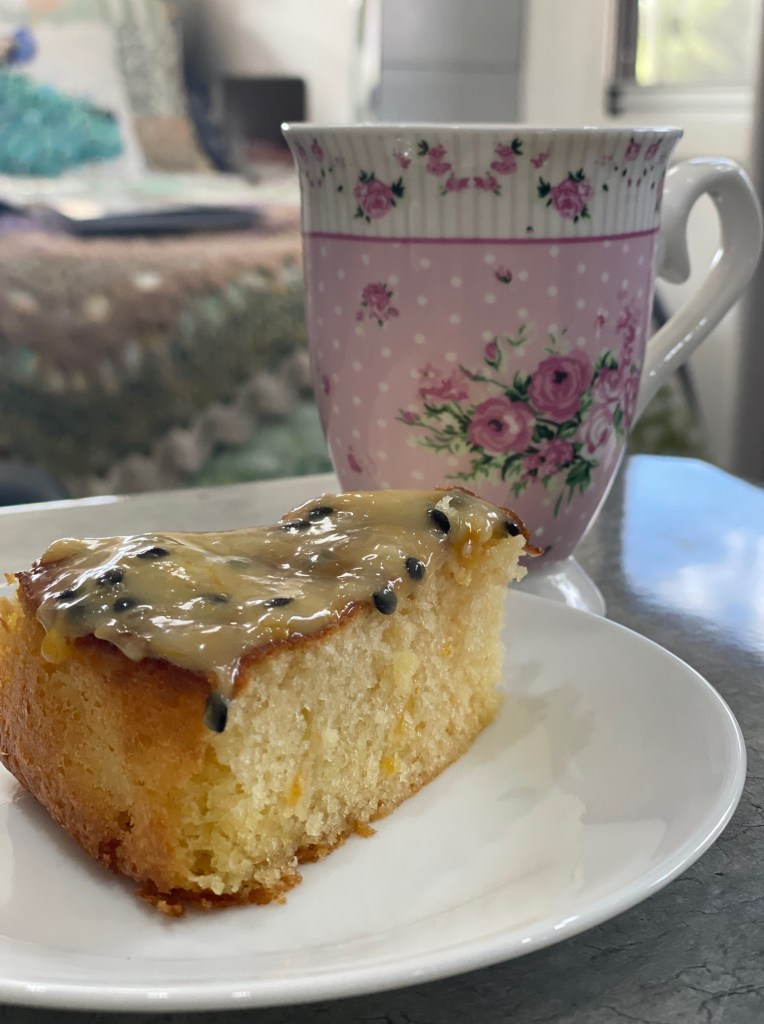
Butter cake mix, baked in the Air-Fryer with passionfruit icing.
Storing food whilst traveling can be a tricky process especially if you have limited storage or weight is an issue. Buying in bulk isn’t an option whilst on the road, but you can still be frugal through some clever tricks.
Rather than buying premade butters, you can make your own. You can do these before you leave home, or as I do, make them on the road as I don’t have a house to return to.
- Frozen Butters – if you enjoy flavoured butter to use in various applications, this will be your friend. they last in a air tight container for 4 months or in the freezer for 12 months. For each butter mix you need 125g butter and baking paper. The butter needs to be at room temperature to be pliable to work with. Mix the butter and chosen flavours (see options), spoon the butter mix onto the paper then roll into a log shape about 20cm long. OPTIONS: 3 garlic cloves crushed. OR 1 tblsp dill, 2tsp lemon rind. OR 10 finely chopped anchovies, finely chopped parsley + choice of herbs, fresh or dried. OR 6 finely chopped lime leaves, 2 chillies.
- Pesto – If you find yourself in NQld during the winter months or have a great supply of basil I suggest you make your own pesto. There are plenty of recipes for Pesto. This one is for Pesto and Kale: Place the following into a food processor – 1 cup basil leaves + 2 cups ea of kale and watercress + 1/2 cup ea of almonds, grated parmesan + 1 garlic clove + 1tblsp lemon rind grated + 1/4 cup olive oil + 2 tblsp lemon juice + 1/2 cup water. Salt and pepper to taste.
- Mayonnaise - I also make my own mayonnaise as I like variations and not just the bland mayo. Each time my mix comes out differently. I use a good quality mayonnaise as the base, don’t scrimp on quality as this is the basis of it. My basic mix includes, vegetable oil, apple cider vinegar, mixed herbs, honey or maple syrup, sweet chilli sauce. Blend the mix to get out all the lumps, taste and add in anything extra to get the flavour right.
- Asian Dressing – This is another mix I simply throw all the ingredients together and add more until its right. These items will make a great dressing starting with the base of vegetable oil + apple cider vinegar, add in sweet chilli sauce, soy sauce, fish sauce, salt & pepper to taste, honey or maple syrup (this cuts the acidity if too vinegary).
We don’t have an oven in our caravan, so we use the air fryer or Weber Baby Q with great success. The following are some tips for you:
- Baking from scratch versus packet mix – when not traveling I bake using all the fresh ingredients. However, we are always on the road and we still like our cakes, muffins and slices. The packet mixes today are excellent and not expensive. They can be varied or cooked as they are.
- Cakes in Air Fryer – Using any cake mix, prepare as usual and place in prepared tin. Tear off enough alfoil to cover the cake tin and secure around sides. Spray with olive oil on the down side and place carefully over the mix, secure firmly around the edge of the tin. Place the tin in the air fryer basket. Cook for 30 min @ 160C, remove the alfoil and cook for 25 min @ 160C. Both round and rectangular containers work in the air fryer, as do metal and silicone materials.


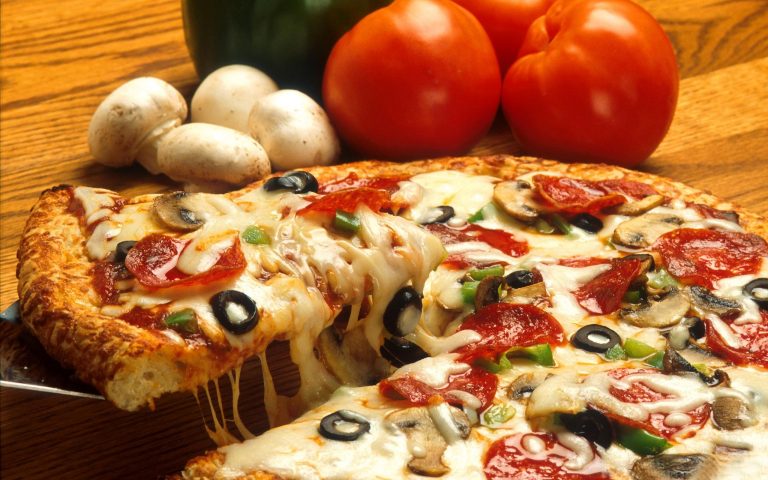
- Pizza – you can cook this in the Weber using the pizza stone and base, but be aware of not burning the base. Prepare all your toppings and base. Pre-heat the Weber to its hottest temperature with the pizza stone on the grill plates. Using a pre-made or home made pizza base place onto the greased oven proof tray. Cover in pesto, BBQ sauce or tomato paste then place your toppings on top. Place in Weber on the stone keeping an eye on the base so as not to burn.

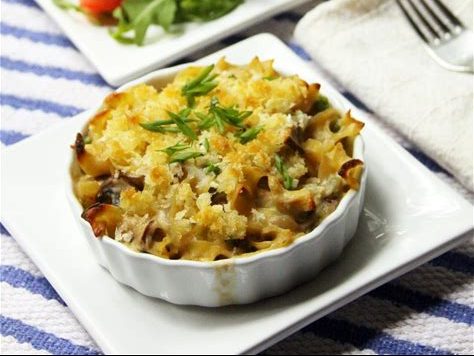
- Pasta Bake – whether using tuna or chicken, the best place to cook this is in the Air fryer so you can get the top browned. You will need to create it in a 20cm tin that will fit in the air fryer. I use the same tin I use for baking cakes. Make up your favourite pasta bake recipe, top with cheese and breadcrumbs. Place in the air fryer and cook at 180C for 10-15 mins until browned.
 Travelling Falconers